Export crating
What Is ISPM-15 and When Must Your Crate Comply?
ISPM 15 sets phytosanitary requirements for wood packaging used in international trade. If your shipment contains regulated solid-wood crates, pallets or blocking, treatment and marking may be required by the importing country.
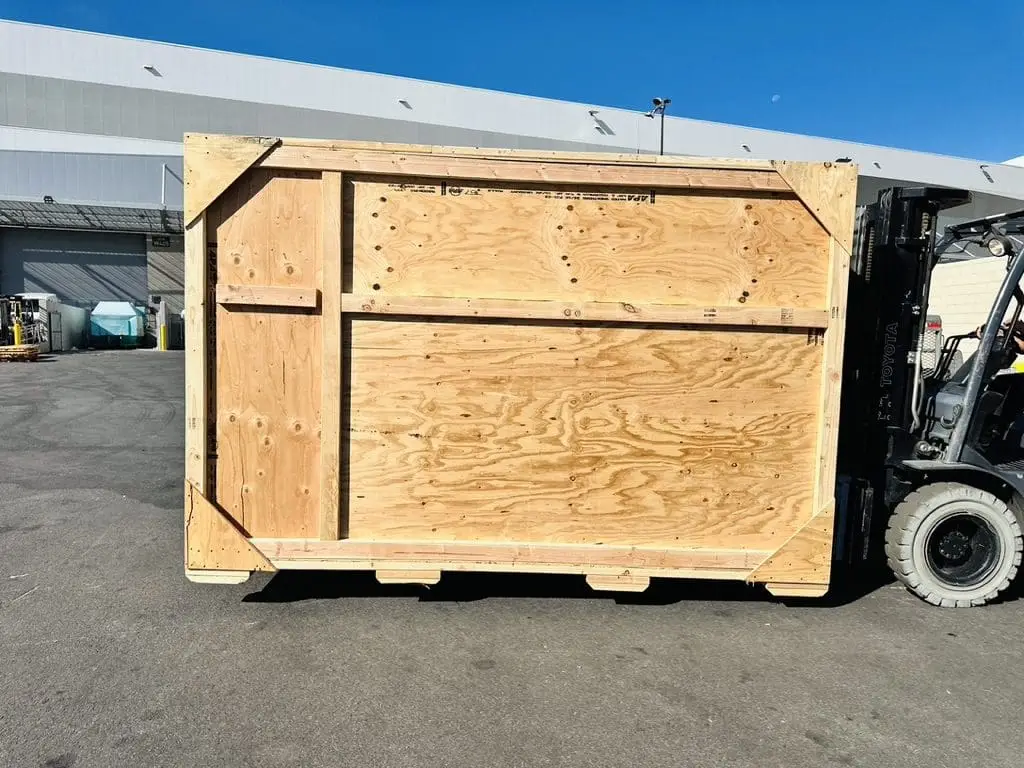
For businesses shipping machinery, electronics or industrial equipment from Las Vegas, checking those requirements early helps avoid packaging problems at the border. This guide explains the standard's scope, treatment options, supplier checks and the practical steps to include in a shipping workflow.
Understanding ISPM-15: Purpose and Scope
The International Plant Protection Convention's ISPM 15 addresses the risk of pests traveling in raw-wood packaging. It covers packaging rather than certifying the cargo inside it. The IPPC's description of the standard also makes clear that treatment does not provide ongoing protection from reinfestation.
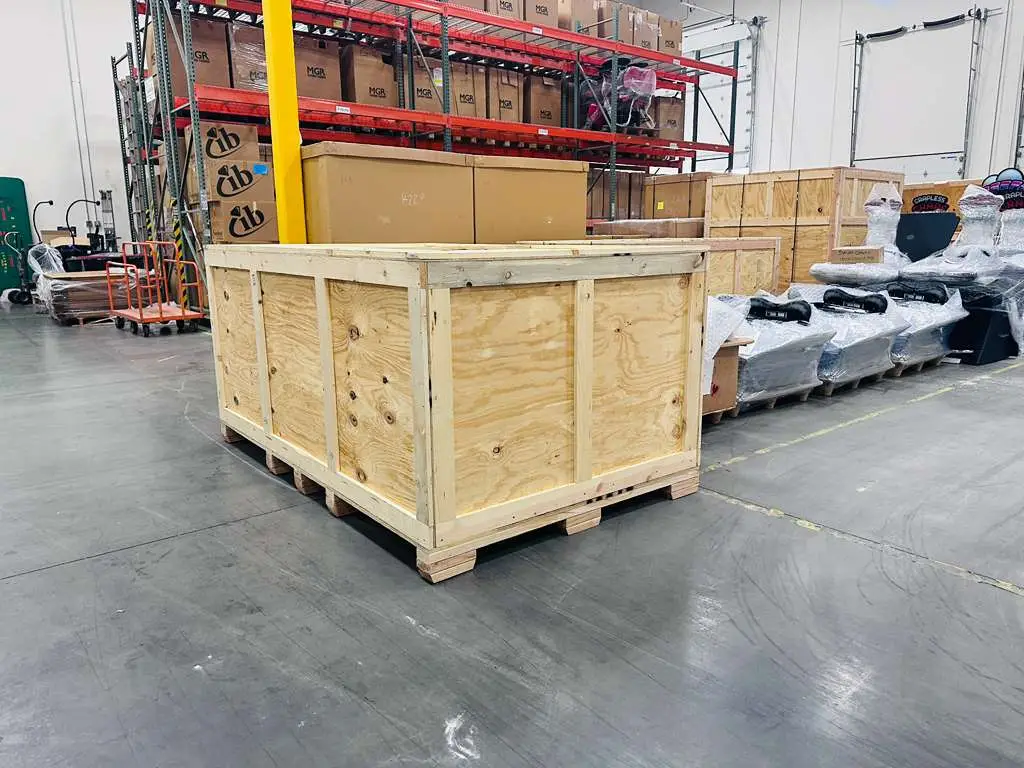
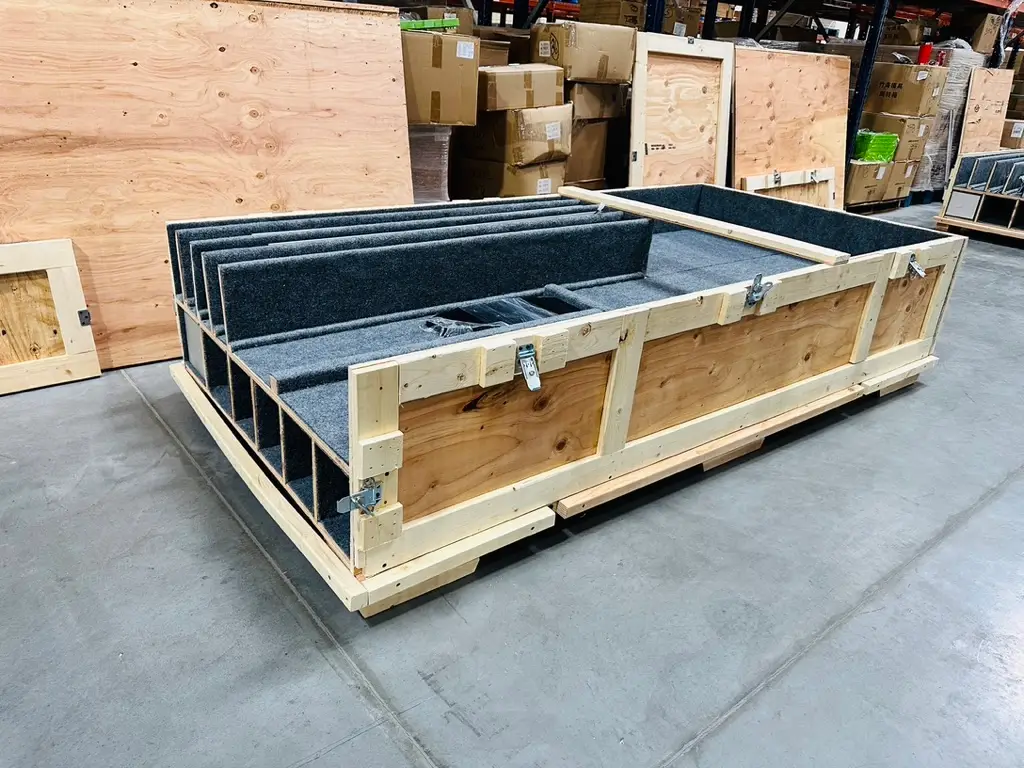
Solid-wood crates, pallets, skids and dunnage may fall within scope. Qualifying processed-wood packaging, including packaging made wholly of plywood, is exempt under the standard. Solid-wood runners or bracing used with plywood panels can still require compliance, so inspect the complete package.
Requirements are implemented by importing countries. Confirm the destination and route with your shipping partner rather than assuming every cross-border movement has identical rules. The applicable wood-packaging requirements are separate from customs declarations, product permits and the crate's structural design.
Treatment Methods: Heat Treatment and Fumigation
Conventional heat treatment, identified by the code HT, brings the wood to the required temperature for a specified continuous period. The familiar HT schedule is at least 56°C throughout the wood, including the core, for at least 30 continuous minutes. This describes the treatment condition, not the total time a crate will spend in a chamber.
Methyl bromide fumigation uses the code MB. The international standard also includes dielectric heating (DH) and sulphuryl fluoride treatment (SF), each with its own conditions. These are established treatment categories, rather than speculative future technologies. Their availability and acceptance need to be checked for the production program and destination. The official ISPM 15 treatment-code overview identifies all four codes.
A valid IPPC mark connects the packaging with an authorized producer or treatment provider. Do not apply your own mark or assume that buying heat-treated lumber alone authorizes you to certify a finished crate.
Treatment addresses wood-pest risk. It does not establish that a crate is dry, waterproof, stronger than another crate or suitable for a particular medical device. Product cleanliness and material compatibility need their own specifications.
Why Compliance Matters Operationally
Packaging that fails destination requirements may be held or refused entry. The consequences can include additional handling, storage and return transport, as well as missed installation or exhibition dates. The outcome depends on the authority and the specific issue; a treatment stamp is not a guarantee of release.
Good planning combines compliant materials with appropriate physical protection. Cargo weight, center of gravity, transport mode and fragility determine the base, bracing and cushioning. An IPPC mark does not substitute for these design decisions.
For recurring exports, a consistent purchasing and inspection process also makes problems easier to investigate. It gives staff a clear answer to who supplied the crate, what was ordered and who should resolve a discrepancy before dispatch.
Best Practices for Crate Compliance
- Confirm wood-packaging requirements before ordering, including any relevant transit stops.
- Use a supplier whose treatment and marking arrangements can be verified.
- Specify compliant regulated wood for the entire packaging system, including dunnage added later.
- Check marks for legibility and completeness before loading.
- Keep supplier details, orders and any relevant treatment records accessible.
- Train packing staff to flag unidentified, damaged or contaminated materials.
- Include compliance checks in procurement, packing and dispatch procedures.
- Use a simple inventory or record system when it helps staff find the correct crate and documents.
Supplier records support traceability, but do not describe a separate treatment certificate as a universal shipment requirement. APHIS explains that it does not issue phytosanitary certificates for wood packaging used to carry commodities. Confirm any additional shipment documents with the destination authority and broker.
QR codes or internal tracking numbers can help organize records. They do not replace the official IPPC mark or create an internationally accepted digital certificate.
Overcoming Common Compliance Problems
Missing or inconsistent marks should be resolved with the authorized supplier before freight is released. A warehouse team should not recreate a mark to meet a pickup deadline.
Keep domestic-only and unidentified packaging separate from export stock. Check replacement boards, skids and blocking when a crate is repaired. A reusable crate may need reassessment after repair or remanufacture; its previous mark should not be treated as unconditional approval for every later journey.
For businesses shipping to several markets, assign someone to maintain destination instructions and communicate changes to purchasing and packing staff. Review the process when the supplier, packaging design or destination changes. This is more useful than adding technology without a clear verification process.
PLAN YOUR CRATING
Discuss Your International Crating Requirements
Prepare the cargo dimensions, weight, destination and shipping schedule before requesting a crate. Include any handling restrictions or manufacturer packaging instructions so treatment compliance and cargo protection can be considered together.
Contact Crates of Las Vegas to discuss your shipment.
Discuss your crateMORE CRATING GUIDES