LAS VEGAS · CRATING GUIDE
Trade Show Crating for Las Vegas Exhibit Logistics
A trade-show crate has to work twice: during installation and again when the exhibit is packed for the return journey. Good planning makes it clear what is inside, how the components are protected and how another team can put them back.
For a Las Vegas exhibit, start with the event's own service manual. Delivery addresses, receiving windows, material handling and move-out instructions vary by show, even when events use the same venue.
Build the crate around the exhibit inventory
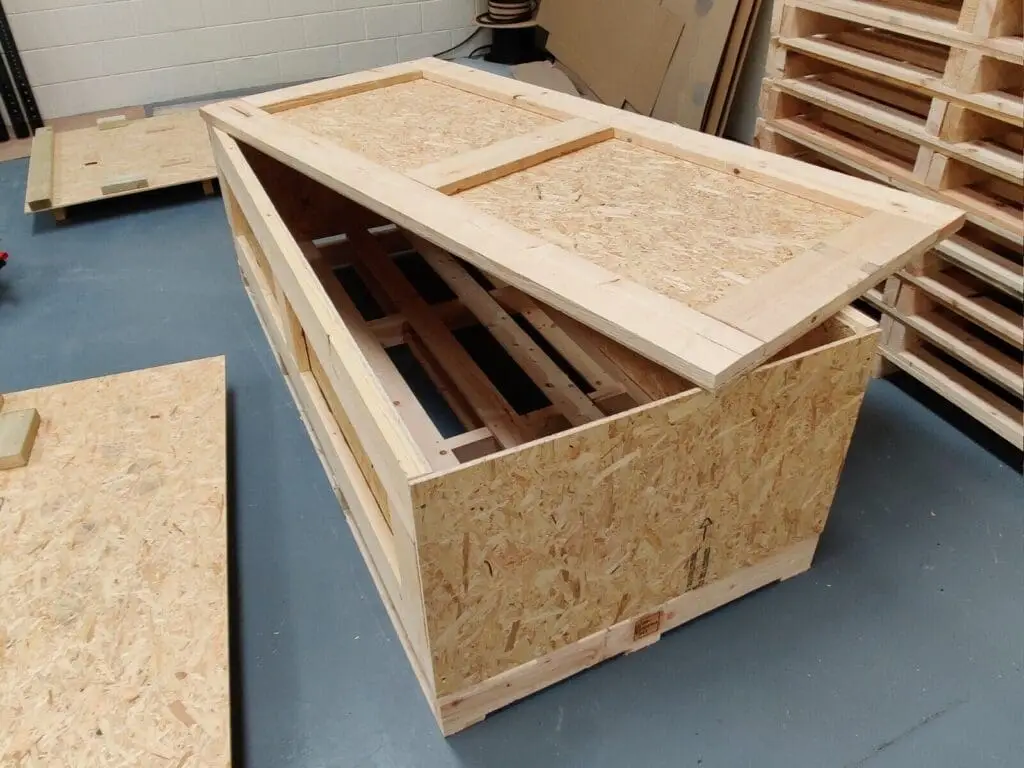
List display panels, electronics, fixtures, demonstration equipment and loose hardware separately. Record each component's dimensions, weight and vulnerable surfaces. Decide which items can share a crate without creating difficult lifting or access problems.
Pack with the installation sequence in mind. A clearly labeled accessory compartment and an inventory attached inside the opening panel can help the setup crew locate small parts without unpacking everything at once.
Choose the receiving route before booking freight
The main choices often include an advance warehouse or delivery directly to the show site. Use the event's exact instructions to confirm which option accepts your shipment, the receiving dates and any special restrictions.
Freeman's exhibitor guide explains that transportation and on-site material handling are separate parts of the process. Material handling can include unloading, booth delivery and empty-container storage. Confirm the actual inclusions and rates for your show.
Make the design practical for repeated handling
- Confirm the packed dimensions and gross weight for the freight quote.
- Match the base and lifting access to the expected equipment.
- Label removable panels and keep closures identifiable.
- Separate delicate graphics or surfaces from hard components.
- Include repacking photographs or a simple layout.
- Check any proposed stacking arrangement with the builder and the show requirements.

If the crate will become part of the display, tell the designer early. Shipping construction alone does not establish suitability for public display or load-bearing use.
For component protection and packing instructions, review our exhibit protection and repacking guide.
Plan what happens to empty containers
After unpacking, follow the show's instructions for empty-container labels and collection. Keep tools, documents and anything needed during the event out of containers being sent to storage.
Decide where reusable inserts and hardware should stay so they are available at move-out. Do not assume empty crates will return the moment the show closes. Allow time in the crew and carrier schedule for the actual return process.
Prepare the outbound shipment before closing day
Confirm the return destination, carrier arrangements and the show's pickup deadline. Assign someone to oversee the package and required paperwork.
- Wait for the containers to return, then inspect their condition.
- Repack against the inventory and original packing layout.
- Secure the closures and apply the correct outbound labels.
- Photograph the completed shipment and record the piece count.
- Submit the required outbound material-handling authorization using the event's process.
GES's outbound-shipping guidance emphasizes the distinction between booking a carrier and completing the paperwork that releases freight. Verify both steps for your event rather than assuming one takes care of the other.
PLAN YOUR CRATING
Plan your exhibit crate from move-in through move-out
Contact Crates of Las Vegas about custom exhibit crating with your inventory, event manual and return plans. Share the setup sequence and the teams involved so the crate can support a repeatable packing process.
Discuss your crating projectMORE CRATING GUIDES