LAS VEGAS · CRATING GUIDE
Trade Show Crating and Packaging for Las Vegas Exhibits
A trade show shipment has to do more than reach the venue. Its contents need to be identifiable, accessible in the right order and ready for the team assembling the booth. Crating and interior packaging should support that entire sequence.

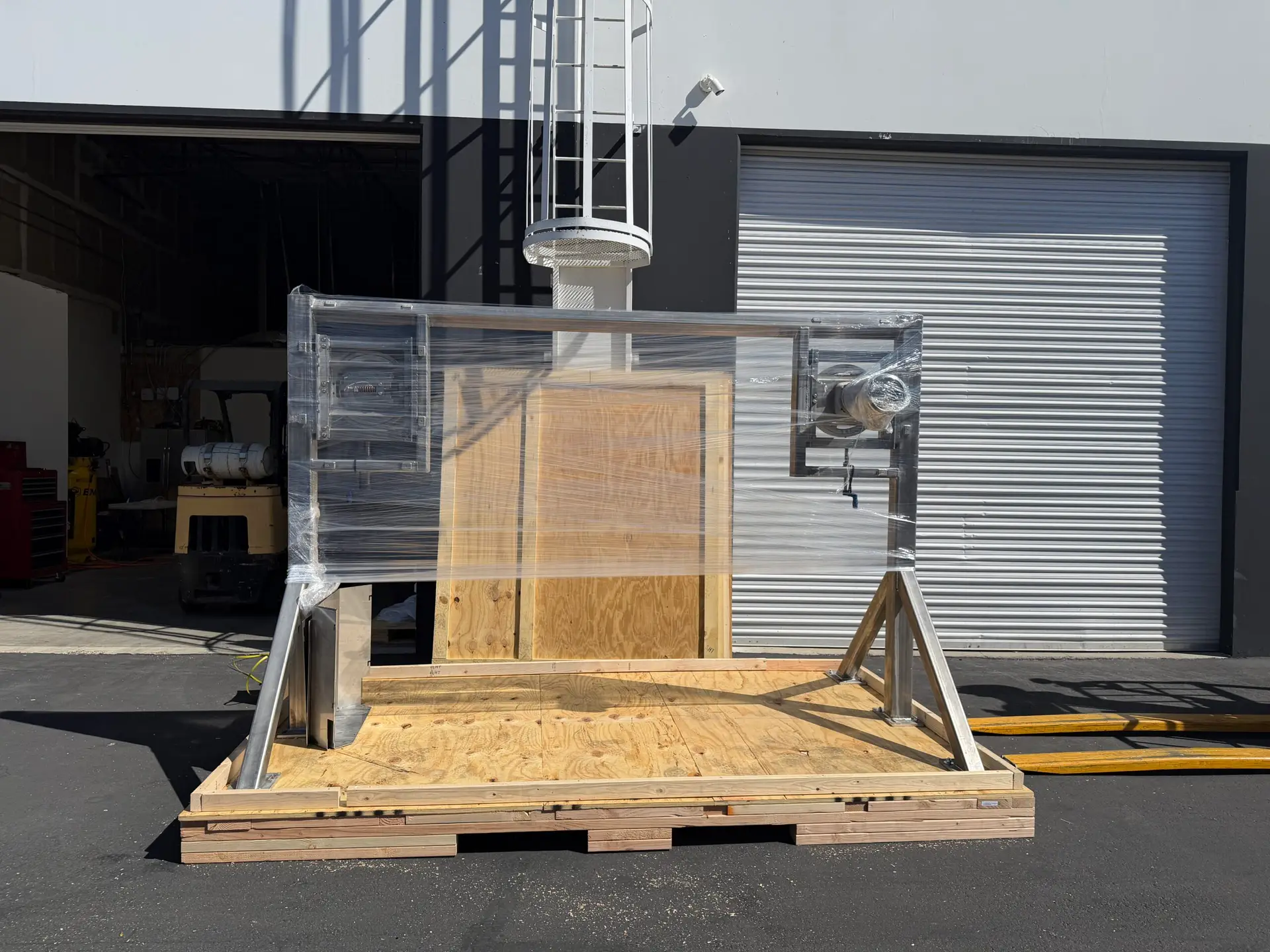
For a Las Vegas exhibit, start with the component inventory and the show's shipping instructions. A tailored crate can help organize a complicated display, but its value depends on how well the design fits the equipment, route and people handling it.
Separate the crate from the interior packing
The crate provides a structural enclosure and handling base. Interior packing supports the contents, protects vulnerable surfaces and controls movement. A strong outer shell alone does not explain how a screen, graphic panel or demonstration unit will be protected.
Record each component's dimensions and weight, along with projecting parts and fragile finishes. Ask the builder where supports will contact the item and how heavier pieces will be kept away from delicate ones.
Make customization useful at the booth
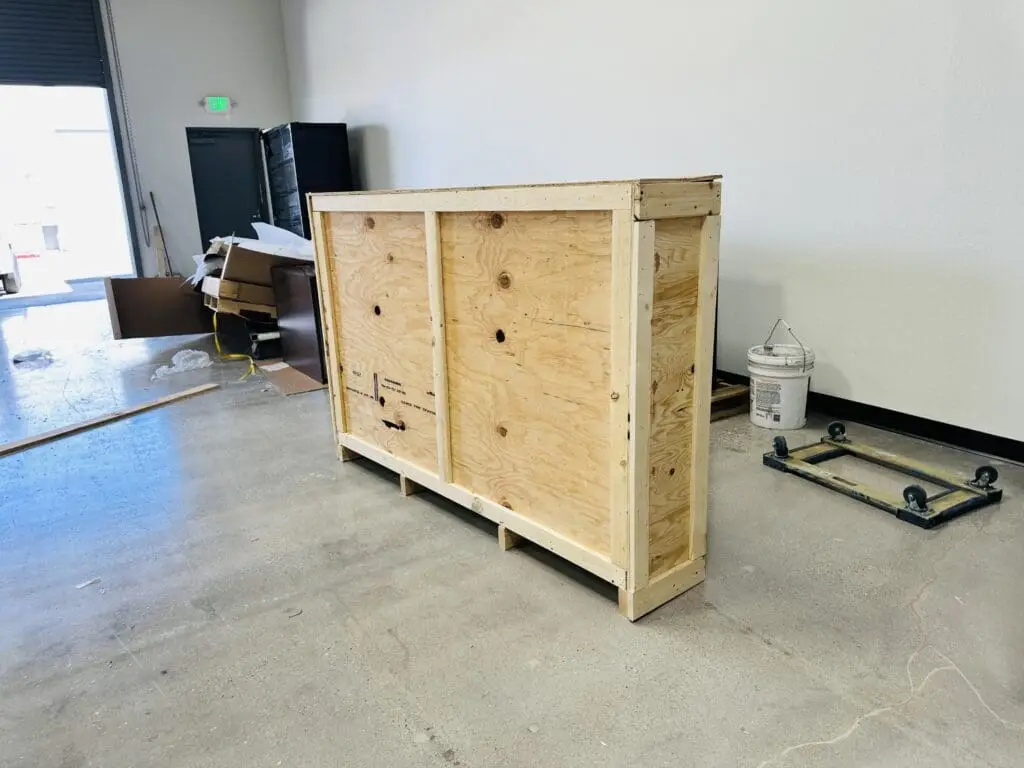
Custom compartments, labeled hardware and a planned opening sequence can reduce confusion during setup. Discuss which pieces must come out first and whether the crate needs removable panels or repeat-use closures.
Branding may make a container easier to recognize, but readable shipment and booth identifiers have a more immediate logistical role. Keep labels clear of opening points and do not cover required handling or export marks.
Prepare the shipment step by step
- Assess the display. List the components, weight, dimensions and special handling needs.
- Choose the packing system. Match supports, cushioning and surface protection to those requirements.
- Document the interior. Photograph the packed arrangement and provide a component inventory.
- Label for the actual destination. Use the event's advance-warehouse or direct-to-show instructions, as appropriate.
- Plan opening and repacking. Identify the tools, labor and replacement materials needed at move-out.
Coordinate freight and event handling
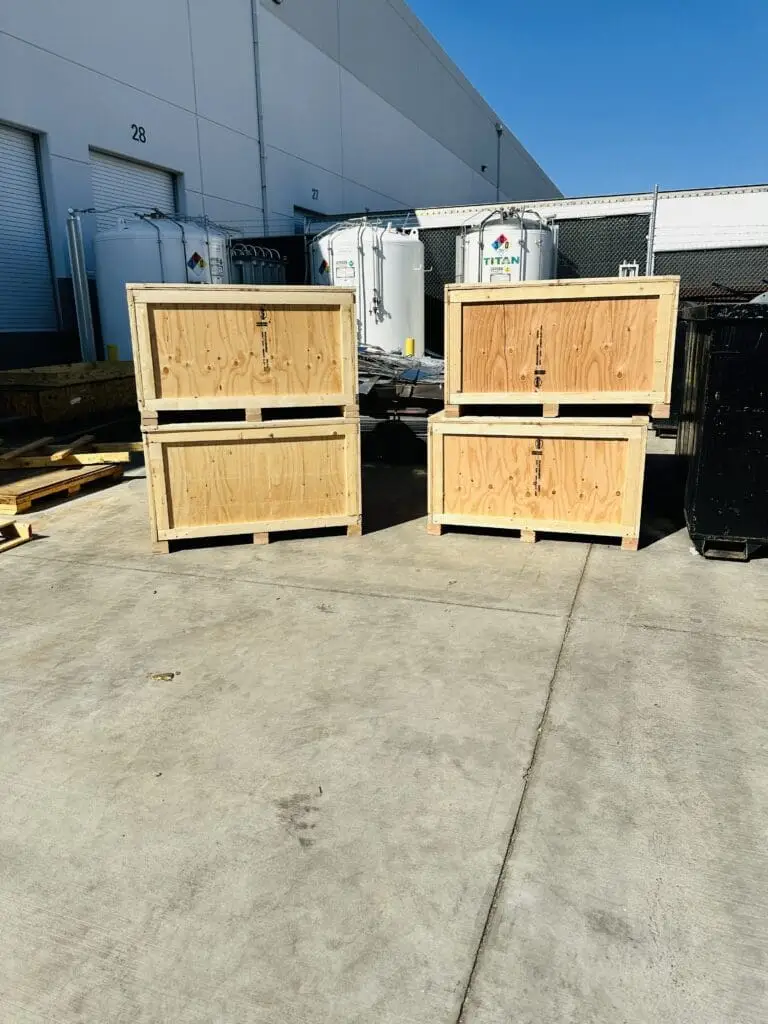
Check receiving windows, carrier appointments and the last acceptable arrival date in the exhibitor manual. Confirm where empty containers will be stored and how they will return to the booth.
GES explains the distinction between freight shipping and material handling. Budget and arrange both where required; a transport booking does not automatically cover unloading and movement to the exhibit space.
For the return journey, designate someone to supervise repacking, complete the required outbound documents and confirm carrier collection. A reusable crate still needs inspection before another trip.
Choose a provider with a clear scope
Ask about relevant exhibit work, design options, packing responsibilities and communication during the project. Confirm the available production date rather than assuming a turnaround from a general service description.
Compare proposals on the same basis: crate construction, interior packing, labels, delivery and any freight coordination. Reviews can inform your choice, but the written scope should show what this particular shipment includes.
PLAN YOUR CRATING
Prepare your Las Vegas exhibit-crating brief
Discuss custom crates with Crates of Las Vegas using your component list, photographs and show manual. Include the setup sequence and return destination so the packing plan supports both arrival and move-out.
Discuss your crating projectMORE CRATING GUIDES