

Crates of Las Vegas Journal
Custom Trade Show Crates for Displays in Transit
A trade show display can combine large panels, delicate screens, printed graphics and small hardware in one shipment. A good crating brief identifies each component and how it will be supported, handled and found by the installation crew.
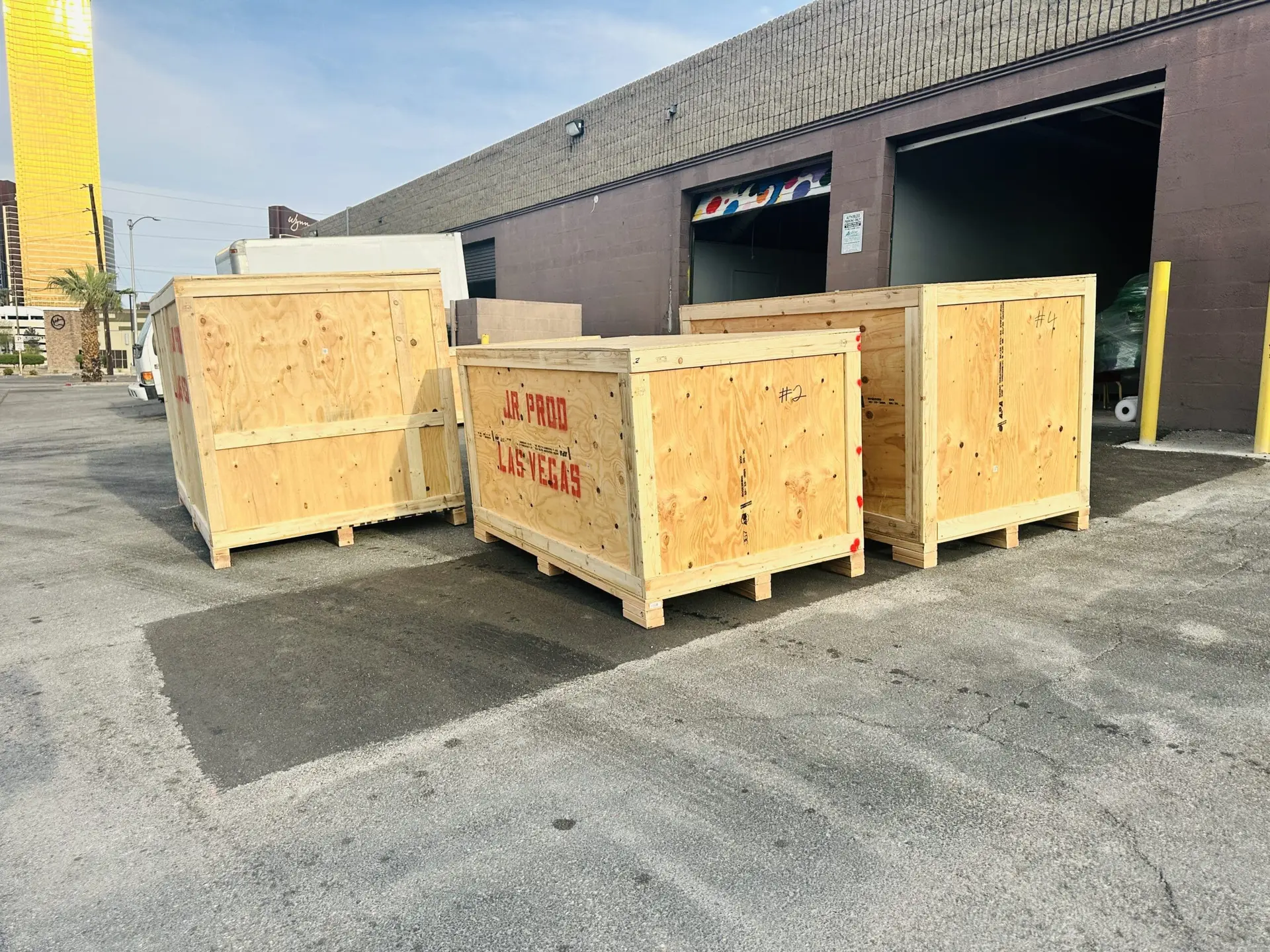
For Las Vegas exhibitors, the crate should also fit the event’s receiving and return arrangements. Begin with the inventory and venue instructions rather than treating the outbound journey as the only stage that matters.
Protect the different parts of a unique display
Record dimensions, weights and fragile surfaces for each component. Identify sharp or heavy parts that need separation from graphics, screens and finished panels. Include manufacturer packing requirements for electronic equipment.
A custom interior can give each part a defined position. Discuss supports and cushioning based on the item, and allow the space they require. A crate that is tightly packed but difficult to unload can create new handling problems at the booth.
Specify the handling conditions for the route
Tell the provider whether the shipment travels directly, through a freight terminal or via an advance warehouse. Confirm the carrier’s requirements using final packed dimensions and weight.
Ask about the intended base and handling access, and state whether stacking is expected. A crate is not automatically rated for another load on top. Long-distance travel also does not mean suitable standard packaging must fail; compare the proposed systems against the real route and cargo.
Make packing and setup repeatable
Work with the installation team to establish what needs to come out first. Accessible panels, clearly marked compartments and an inventory can help the crew locate the right parts without unpacking everything at once.
- Number crates and match them to the packing list.
- Group hardware by the assembly it belongs to.
- Photograph the interior before departure.
- Provide opening and repacking instructions.
- Confirm how empty crates are stored and returned at the event.
Wheels or other handling features should be discussed only where appropriate to the load and venue. They do not remove the need for a safe handling plan.
Assess repeat use and maintenance
A crate that travels with the same exhibit may be useful over several shows. Include return freight, storage, inspections and replacement parts when comparing its cost with one-use alternatives.
Inspect the packaging during teardown and before the next trip. New display components can alter the load or require different inserts. Reuse can reduce new material demand when the crate remains suitable and is actually recovered; savings should be based on that real cycle.
Support a professional receiving handover
Clear labels and a complete inventory help the recipient notice discrepancies and understand the shipment. Keep branding separate from carrier labels, handling instructions and any required export marks.
For international events, check applicable ISPM 15 wood-packaging requirements with the provider and forwarder. The APHIS export guide provides a starting point. Packaging compliance does not guarantee customs clearance, a damage-free delivery or success at the show.
PLAN YOUR CRATING
Plan crates for your display shipment
Send Crates of Las Vegas the component inventory, photographs, event instructions and return route. Ask the team to confirm a crating scope suited to the display and the people who will unpack and repack it.
Discuss Your Crating ProjectMORE CRATING GUIDES




