


LAS VEGAS · CRATING GUIDE
Custom Crates for Las Vegas Trade Shows and Exhibits
Exhibits often bring together several kinds of valuable cargo: display artwork, screens, office equipment and demonstration devices. Custom crates can help organize those different requirements into a packing system that the setup and move-out teams can repeat.
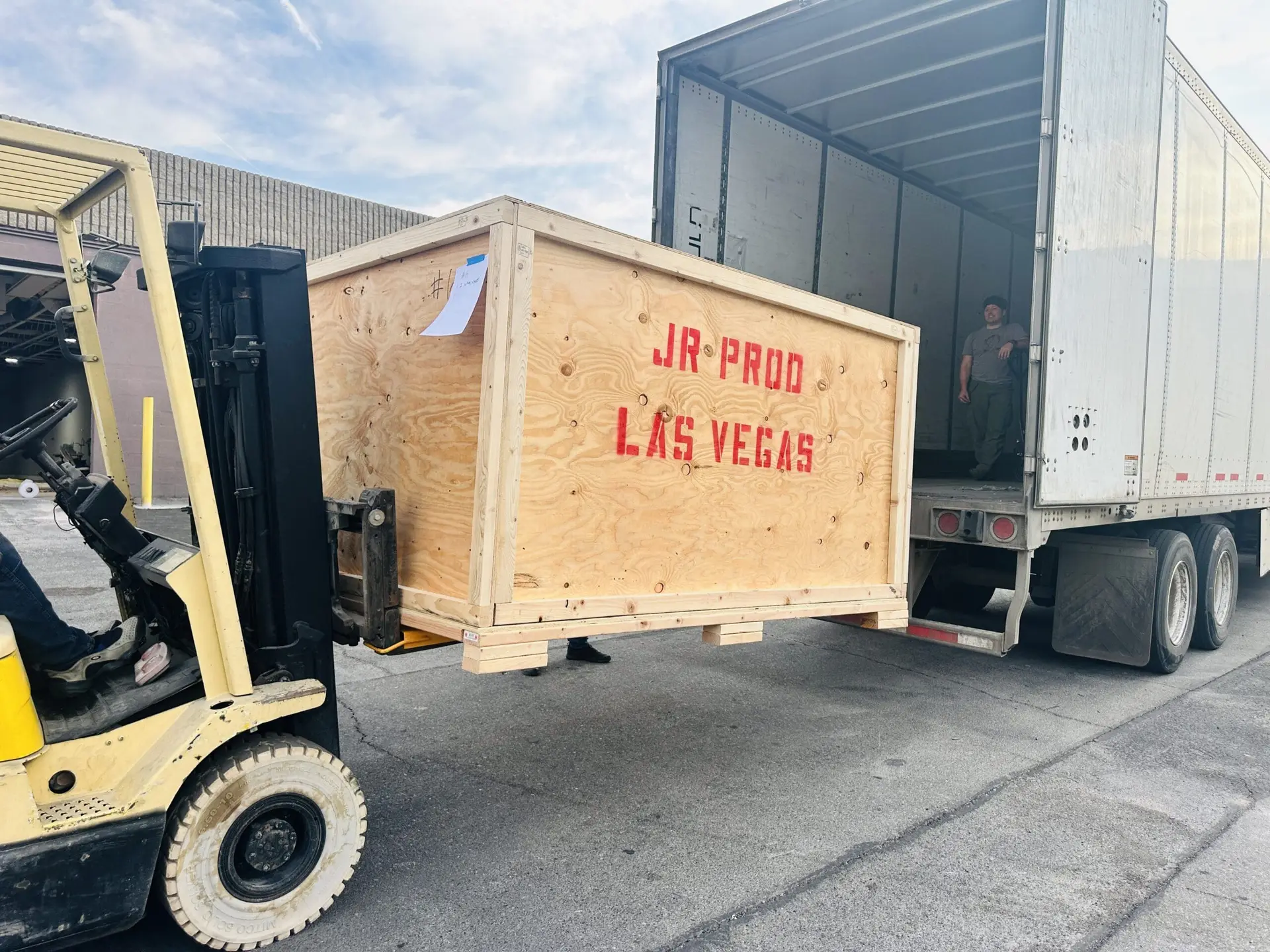
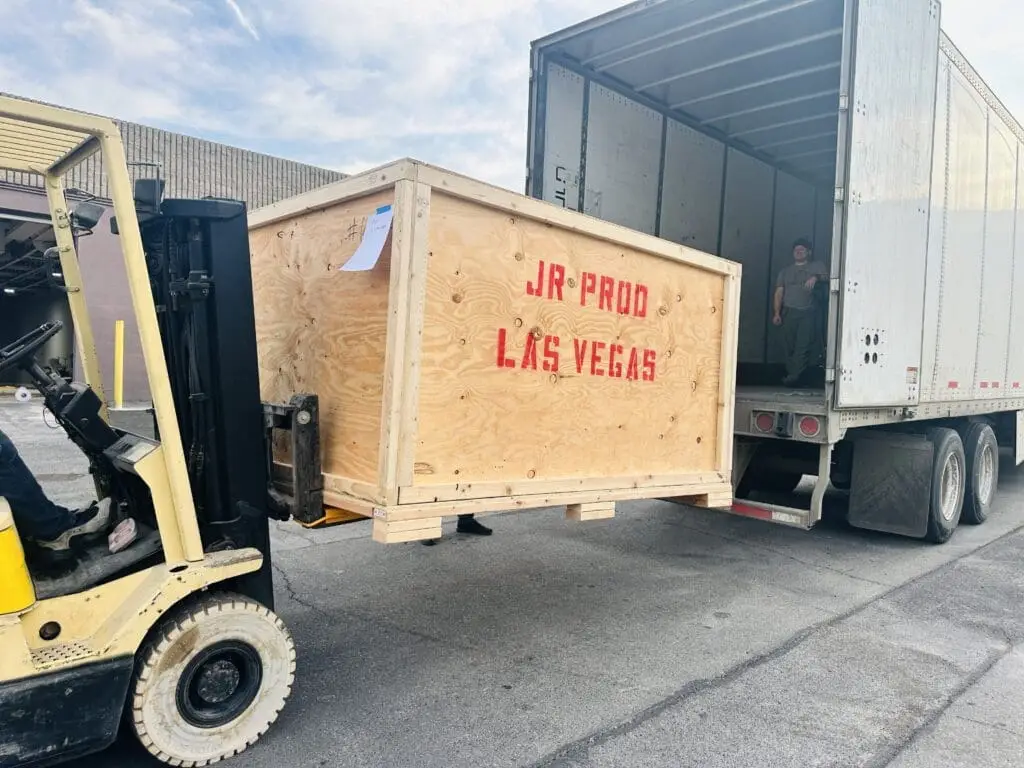
For businesses exhibiting in Las Vegas, the key is to connect the crate design with the event plan. A clear inventory, workable opening sequence and assigned return-shipping responsibilities are more useful than treating the crate as a one-time box.
Build an inventory that travels with the exhibit
Give each main component an identifier and record where it belongs. Include power supplies, brackets, tools and small accessories that are easy to overlook when a booth is dismantled quickly.
Identify which pieces are delicate, which are heavy and which must be packed first or last. Use the same names in the packing list, assembly instructions and crate compartments. Update the record when the exhibit changes.
Match protection to the equipment on display
Artwork and display objects
List vulnerable frames, surfaces and projections. Keep packing contact away from sensitive areas and obtain specialist guidance for valuable or unstable objects. A blanket label such as museum quality does not explain the actual packing method.
Electronics and office equipment
Supply the maker's transport instructions and record removable components. Label cables and accessories so the receiving team can locate them without disturbing unrelated packing.
Medical and technical demonstrations
Have the equipment owner confirm transport preparation, locks and post-delivery checks. Crating does not establish calibration, sterility or readiness for clinical use; those responsibilities remain separate.
Align crate labels with the event instructions
Use the correct receiving address and labels for the route chosen. Include the event and booth information required by the organizer, and remove or cover obsolete shipping labels.
The GES exhibitor checklist emphasizes correct package identification and advance planning. Follow your show's manual for its actual deadlines and procedures rather than carrying instructions over from a previous event.
Prepare the crew for empty storage and repacking
Keep anything needed during the show out of containers being sent to empty storage. Decide where the reusable inserts, closures and packing instructions will remain so they can be found when the containers return.
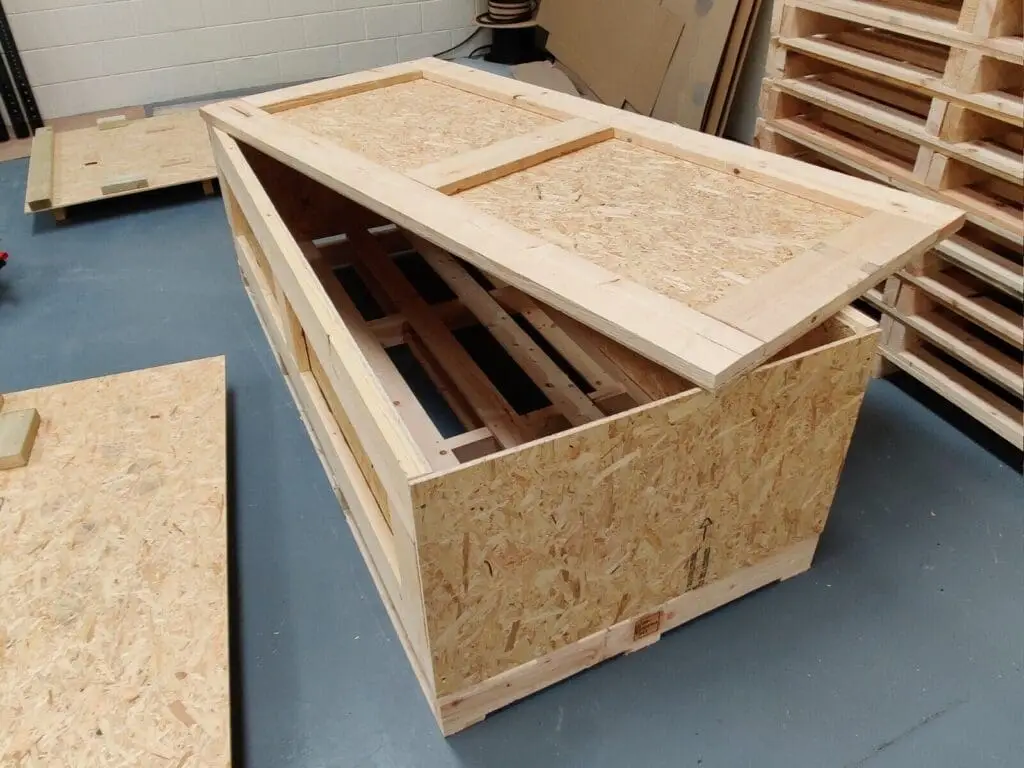
Use interior photographs to show how equipment and supports fit together. If several people will repack the exhibit, assign someone to check the inventory and closure of each crate before applying outbound labels.
Assign ownership of the return shipment
Agree who books the carrier, verifies the pickup window, completes the event's outbound paperwork and remains available for questions. A freight booking alone may not release the materials from the show floor.
After the event, note missing components, difficult access and any damaged packing. Review the crate before the next trip and ask the builder to assess repairs or a changed load. Reuse should be supported by inspection and a workable return plan.
PLAN YOUR CRATING
Plan crates for the whole exhibit cycle
Send Crates of Las Vegas the exhibit inventory, item photos, event requirements and next destination. Discuss custom-crate options that support your setup sequence and recurring travel needs.
Discuss your crating projectMORE CRATING GUIDES




