Crates of Las Vegas Journal
Trade Show and Convention Crates: Plan for the Booth Crew
A convention crate should help the booth crew find, unpack and repack the exhibit in a sensible order. Protection matters throughout the journey, but the way the package works on the show floor deserves attention during design.
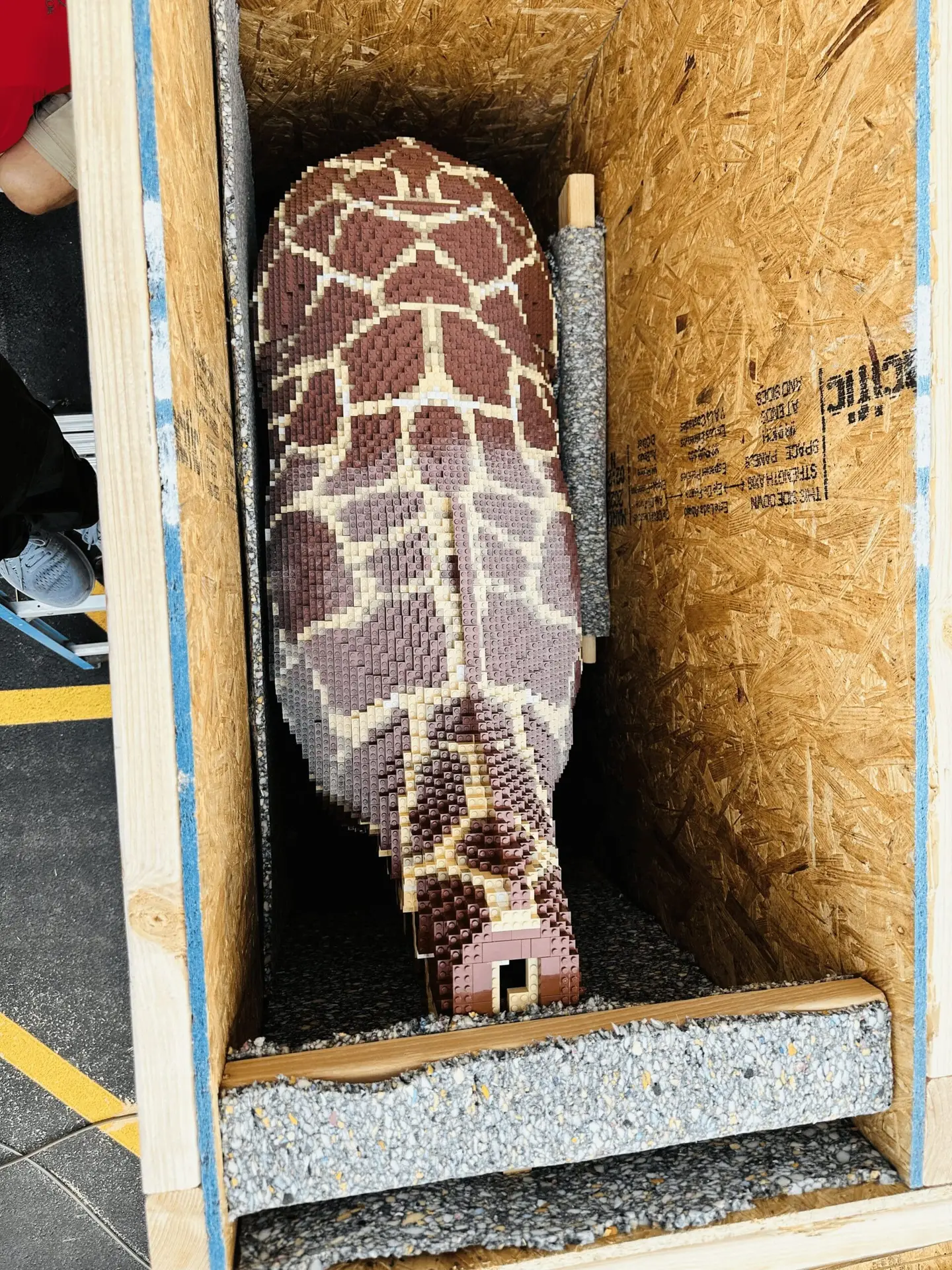
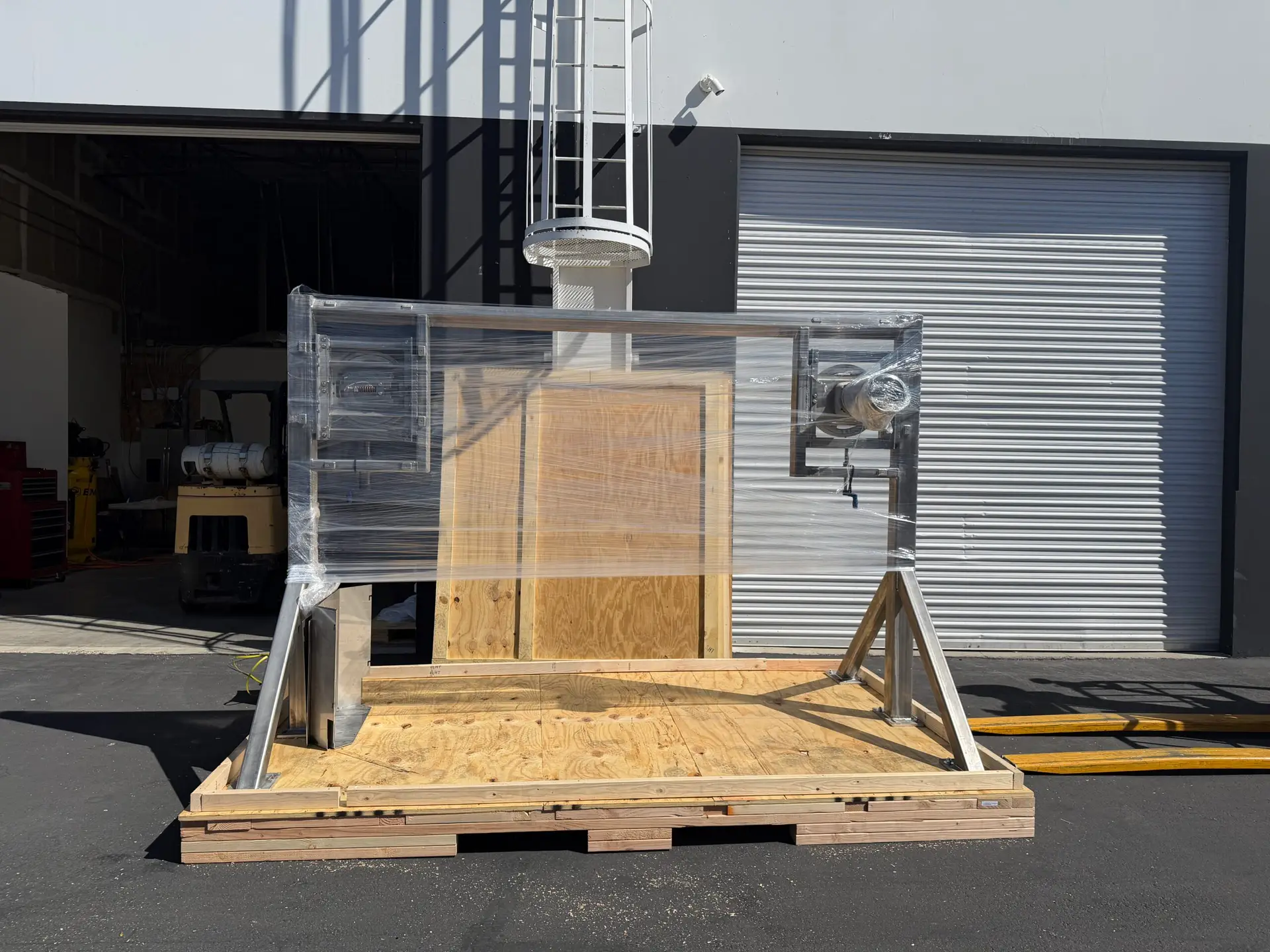
For a Las Vegas trade show, start with the actual exhibit inventory and the event’s receiving instructions. The right combination of crates and interior compartments depends on the display, available access and the people doing the installation.
Work backward from the setup sequence
Ask the installation team which components are needed first. Bases, tools and hardware may need to be accessible before screens, graphics or decorative elements. A crate that buries the first required component can create unnecessary handling.
Create a packing list with crate numbers and component names. Keep fasteners grouped with the assemblies they serve. Include photographs of the packed layout and make the instructions available to the teardown crew as well as the installers.
Match the design to convention handling
Confirm how freight will be delivered, unloaded and moved to the booth. Provide the crate builder with any relevant external-size constraints and the event-specific instructions. Do not assume every crate is suitable for stacking or every venue permits the same working methods.
Heavy equipment, furniture and fragile promotional materials need different support arrangements. Identify the approved lifting and support points for equipment, and consider how finished surfaces and projecting parts will be protected during removal.
Use customization to solve specific problems
Compartment layouts, removable panels and reusable closures can be useful options when they fit the exhibit. Discuss each feature in terms of the task it supports rather than selecting it for appearance alone.
- Separate heavy components from delicate graphics.
- Give accessories a labeled place in the packing layout.
- Make opening instructions visible to the receiving crew.
- Allow adequate room for the specified protective materials.
- Confirm that the completed package fits the available handling route.
Final packed size and weight should be used for freight planning. Custom dimensions do not automatically mean a lower shipping charge.
Prepare for the next event
A reusable crate needs somewhere to go while the booth is assembled and a plan for returning it afterward. Confirm empty-crate storage arrangements with the event’s service provider, then inspect the packaging before repacking.
Coordinate the packing plan with our exhibit freight, storage, and move-out guide.
Track repairs, lost hardware and changes to the exhibit. Reuse can reduce new packaging demand when the same suitable system completes more trips. The EPA’s waste hierarchy prioritizes reduction and reuse before recycling, but any savings claim should reflect the actual event cycle.
Keep presentation and instructions clear
An organized shipment can support a professional handover. Use branding where useful for identification while keeping transport labels and handling marks legible. An attractive exterior does not replace a packing plan or guarantee flawless arrival.
For overseas events, separately confirm wood-packaging treatment and marking requirements and the forwarder’s documentation needs. The crate provider, carrier and booth contractor should each understand the limits of their scope.
PLAN YOUR CRATING
Plan crates around your convention exhibit
Send Crates of Las Vegas the inventory, component photographs, setup sequence and event schedule. Include the return route and receiving constraints so the team can discuss a practical crate design for the exhibit crew.
Discuss Your Crating ProjectMORE CRATING GUIDES