

LAS VEGAS · CRATING GUIDE
Custom Wood Crates for Las Vegas Exhibits and Event Logistics
An exhibit's journey starts before the show floor opens. Its components must be measured, packed, delivered, unpacked and often returned after the event. Custom wood crates can help organize that cycle when their design reflects both the exhibit and the team's working plan.
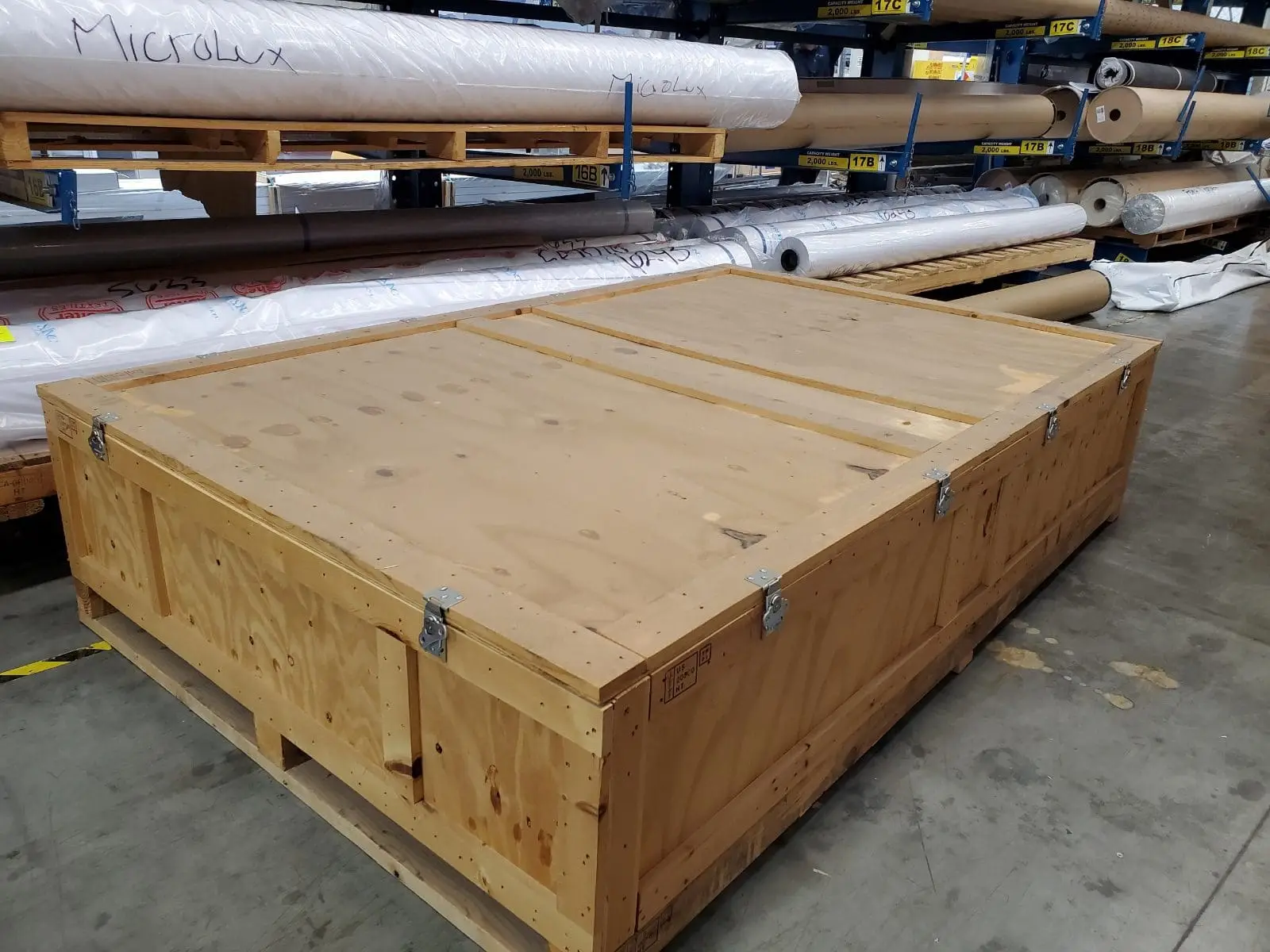
For a sculpture, display or technology installation, begin with what must arrive and how it will be used. The crate is one part of event logistics; receiving appointments, labor and transport bookings need their own attention.
Design around the exhibit components
Prepare a component list with measurements, weights and photographs. Identify fragile surfaces, removable parts and anything that must stay upright. Tell the builder whether items will be packed fully assembled or in sections.
Consider the installation sequence when reviewing the interior arrangement. An accessory needed first should not be inaccessible beneath the main display. If multiple crates are required, use identifiers that connect each package to the exhibit inventory.
Plan protection for the actual cargo
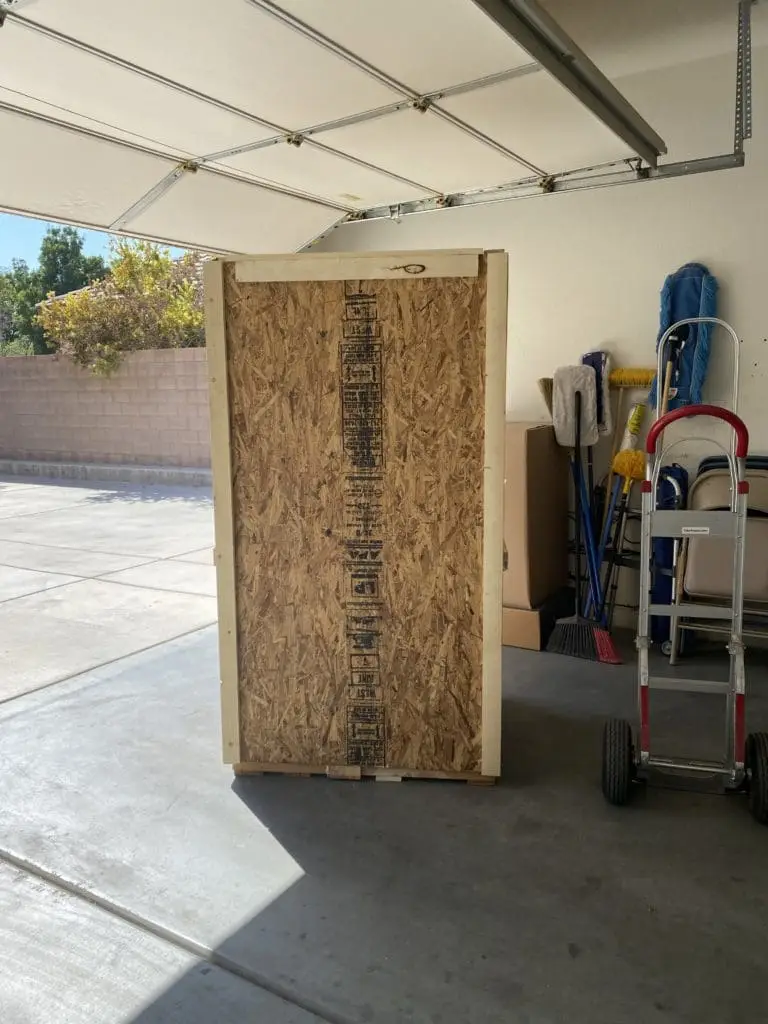
Discuss which areas can accept support and which must remain untouched. For artwork or sensitive equipment, include instructions from the owner, conservator or manufacturer. Avoid assuming that an attractive enclosure or extra padding addresses every vulnerability.
Ask the builder to explain the proposed interior arrangement and how the item will be restrained. For repeated shipments, also ask how the receiver can recreate that arrangement. Photographs and a simple packing diagram can make the instructions more useful.
Match the package to the venue
Review the organizer's current exhibitor instructions before finalizing the crate. Requirements can differ between advance-warehouse delivery, direct-to-venue delivery and an independently arranged installation.
- Confirm the authorized receiving address and delivery window.
- Identify the receiving contact and required shipment references.
- Check how empty packaging will be identified and stored.
- Confirm unloading and movement from the dock to the exhibit space.
- Arrange outbound collection and the correct return labels.
Make teardown and repacking repeatable
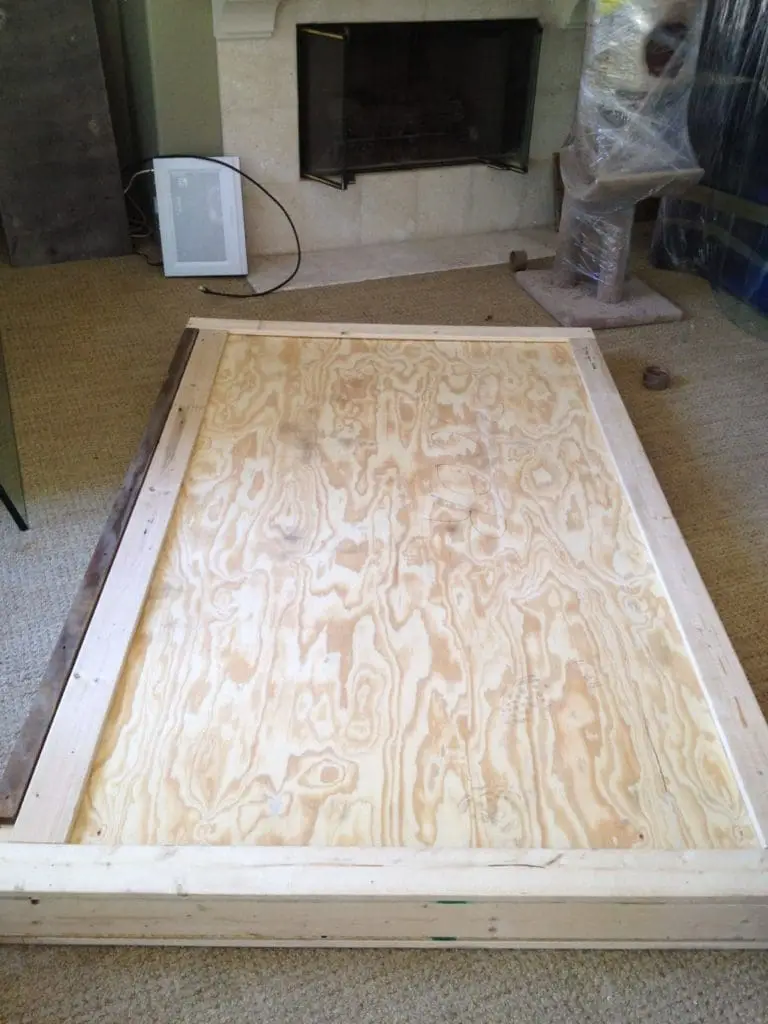
Plan where removed lids, supports and fasteners will go during setup. Keep them associated with the correct crate. If several people will repack the display, assign one person to check the final inventory and packing arrangement.
- Photograph the contents before the outbound crate is closed.
- Give the installation crew the opening instructions.
- Inspect the empty crate before repacking.
- Check every component against the packing list.
- Replace outdated shipping labels before the return handoff.
A reused crate should be checked for damage and suitability for the next load. A change in exhibit configuration is a reason to review the packing plan, even if the outside container looks unchanged.
Ask specific questions about waste reduction
If the display travels regularly, discuss repairable parts and a realistic return-storage plan. For one-way shipments, ask the receiver about recovery options for the wood and interior materials. Do not assume every destination accepts the same materials.
Request evidence for claims about timber sourcing, recycled content or emissions. An environmental benefit should be tied to the actual crate and use pattern rather than promised merely because wood is used.
PLAN YOUR CRATING
Plan your exhibit crate with Crates of Las Vegas
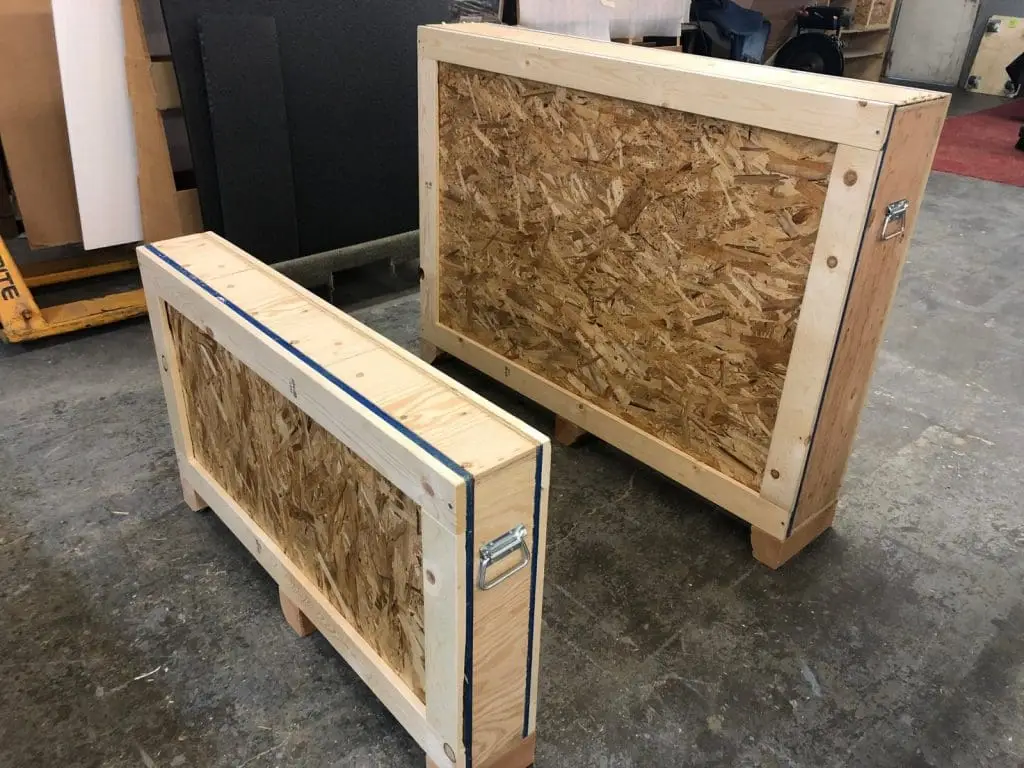
Send the exhibit inventory, dimensions, weight and venue instructions to Crates of Las Vegas. Include both arrival and return requirements so the team can discuss the packaging scope before your event schedule is fixed.
Discuss your crate projectMORE CRATING GUIDES




