Export crating
ISPM-15 Wooden Crates: What Las Vegas Exporters Must Know
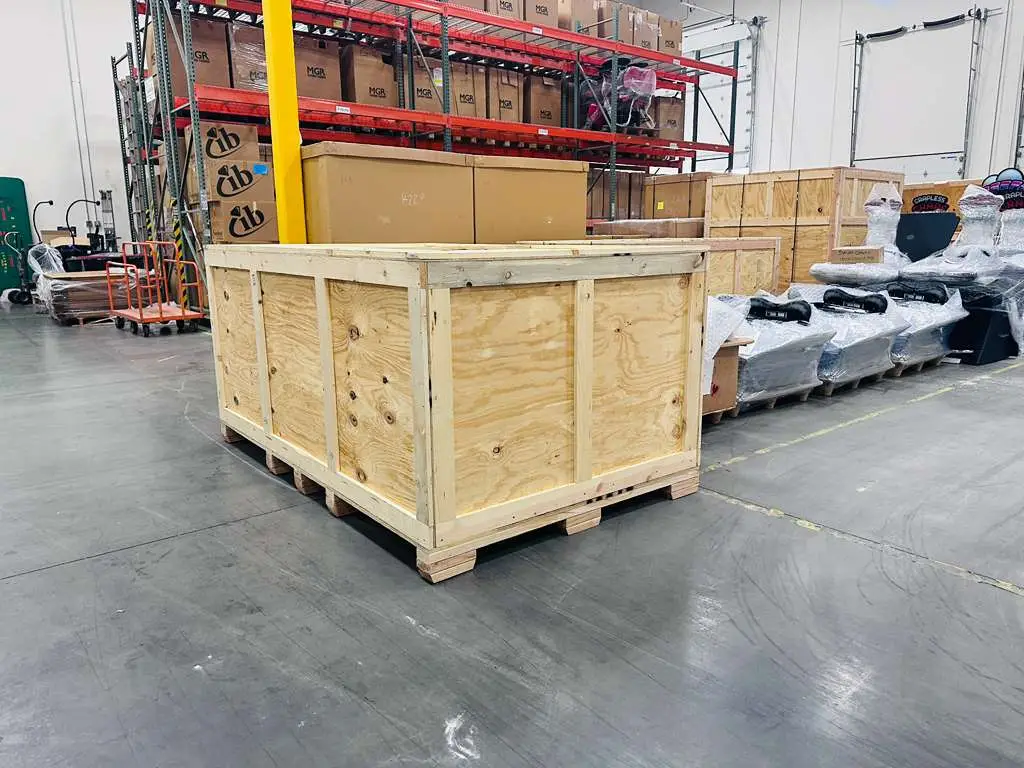
Before an international shipment leaves Las Vegas, check both the crate's protective design and the destination's wood-packaging requirements. Solid-wood crates, pallets and blocking may need approved treatment and marking under ISPM 15.
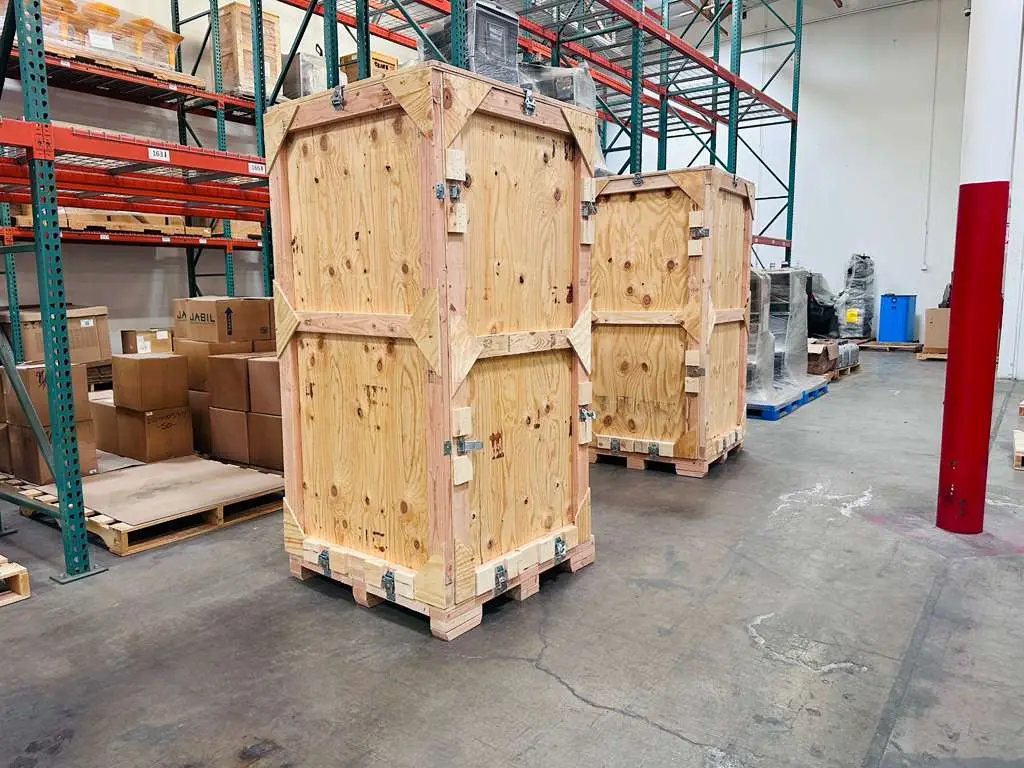
The standard is relevant whether the contents are machinery, artwork, electronics or exhibition equipment. Its purpose is to reduce wood-pest risk. A sound export plan also addresses cargo support, handling, documents and the route to the receiver.
What ISPM-15 Means for Wooden Export Crates
ISPM 15 is the international phytosanitary standard for regulated wood packaging used in trade. It covers raw-wood materials such as crates, pallets, skids and dunnage, subject to the standard's scope and the importing country's requirements.
Packaging made wholly from qualifying processed wood, including plywood, is exempt under the standard, as is packaging made entirely from wood 6 mm thick or less. Solid-wood framing and runners may still require compliance even when the crate's panels are plywood. The official ISPM 15 material overview explains those exemptions.
Where required, compliant packaging must satisfy the applicable debarking, treatment and marking rules. The IPPC mark includes a country code, producer or treatment-provider identifier, and treatment code. It is applied through an authorized program.
Confirm the destination and route before ordering. A domestic packaging specification should not be reused for an export shipment without checking the requirements.
Risks of Non-Compliant Packaging
Non-compliant wood packaging may lead to a hold or refusal of entry. The response depends on the jurisdiction and the issue found; exporters should not assume that repacking or treatment will be allowed after arrival. APHIS states that non-compliant wood packaging is not allowed into the United States.
Additional costs can include storage, handling, return transport or other corrective action. Applicable penalties depend on local rules and the facts. Avoid relying on an advertised universal fine or a promise that compliant packaging prevents every delay.
The commercial consequences also vary. Machinery arriving late can affect an installation, while exhibition cargo can miss a venue deadline. Art and sensitive equipment may need appropriate storage while an issue is resolved.
Strong panels and cushioning do not correct a missing required mark. Likewise, a valid mark does not establish that the crate can withstand its load or protect a fragile item. Assess phytosanitary compliance and physical protection together.
Heat Treatment and Compliant Sourcing
Conventional heat treatment, marked HT, requires at least 56°C throughout the wood, including the core, for at least 30 continuous minutes. It reduces the relevant pest risk at treatment; it does not guarantee permanent freedom from pests or improve the crate's structural rating.
ISPM 15 also includes other approved treatment categories with their own conditions. Verify the proposed method, producer authorization and destination requirements rather than choosing packaging by a marketing label alone.
U.S. exporters can obtain compliant packaging from authorized suppliers. APHIS describes purchasing, manufacturing and treatment options. Buying ordinary lumber or adding a homemade stamp is not an alternative to that process.
Keep supplier information and relevant records accessible. The IPPC mark is the packaging identifier; a separate treatment certificate is not universally required for every shipment. Ask the broker what additional documents the actual cargo and destination require.
For reusable crates, inspect the condition before every trip and have repairs or replacement wood assessed by a suitable authorized provider. Previous use does not establish that later alterations are compliant.
Cargo Applications: Art, Equipment and Exhibitions
Art and collectibles
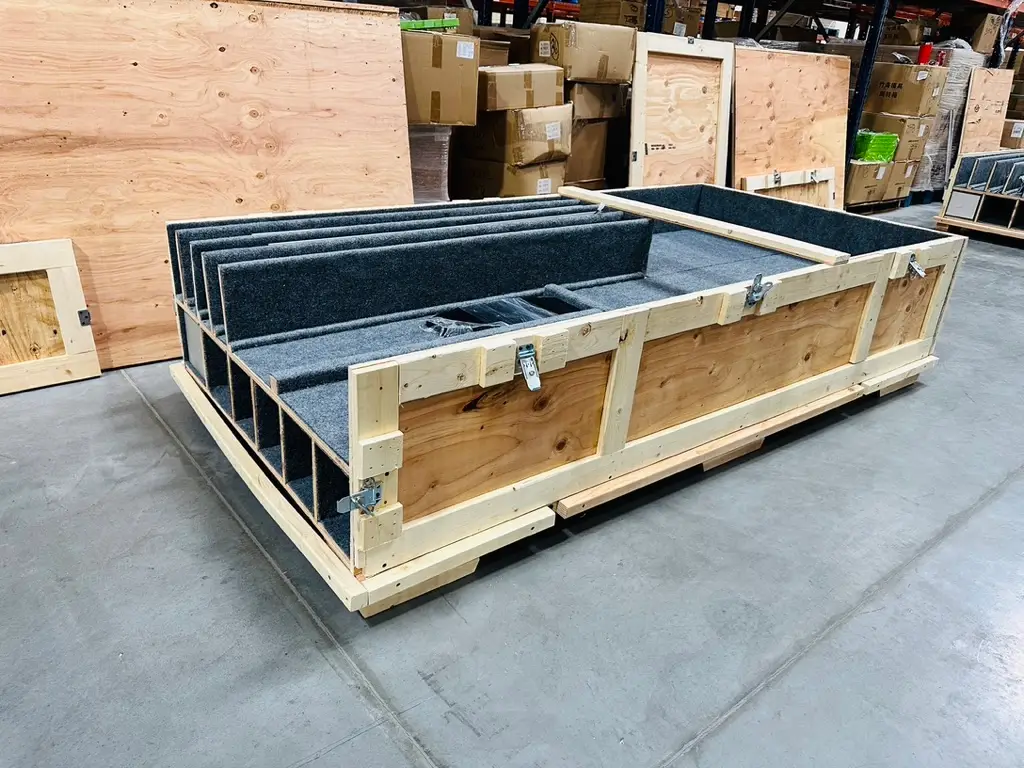
Packing must account for surface condition, fragile projections and suitable support points. Use conservation guidance where needed and agree any environmental requirements with the carrier. A generic foam-lined crate is not a universal art-shipping solution.
Heavy machinery
Provide the verified weight, center of gravity, mounting points and handling instructions. The base and restraints need to support the load, and the packed unit must suit the available lifting equipment. On-site assembly may be worth discussing when the item is difficult to move before protection is installed.
Electronics and laboratory equipment
Follow manufacturer instructions for shutdown, transport locks, orientation and material compatibility. Some components require electrostatic protection. Do not assume crating alone preserves calibration or makes equipment ready for immediate operation after delivery.
Trade-show shipments
Plan for receiving deadlines, unpacking, empty-crate storage and the return journey. Reusable supports, component inventories and clear packing instructions can make repeated use easier. International event shipments still need route-specific packaging and customs checks.
A Practical Checklist for Las Vegas Exporters
- Confirm the destination, route and receiving arrangements before fabrication.
- Provide accurate dimensions, weight, photographs and handling restrictions.
- Specify the protective system and regulated wood materials together.
- Verify the supplier's treatment and marking arrangements.
- Inspect the completed crate and any dunnage added at loading.
- Confirm the external dimensions, gross weight and lifting needs with the carrier.
- Keep supplier records and required shipment documents organized.
- Resolve uncertain marks, repairs or materials before dispatch.
On-site crating can help with access and fit when appropriate, but confirm its scope. Loading, rigging, freight and customs brokerage may be separate services. Clear responsibilities are more useful than broad promises of end-to-end compliance.
PLAN YOUR CRATING
Discuss Your Las Vegas Export Shipment
Send Crates of Las Vegas your cargo details, destination and pickup requirements. Include any manufacturer, conservation or forwarder instructions so the packaging scope can be reviewed before a quote is prepared.
Contact our team about export crating.
Discuss your crateMORE CRATING GUIDES