


Artwork care
Artwork Crating Best Practices for Galleries & Collectors
A painting, sculpture or mixed-media piece needs a packing plan that reflects its condition, materials and vulnerable areas. For galleries and collectors in Las Vegas, a custom crate can provide a useful outer enclosure, but the supports, contact materials and transport arrangements are equally important.
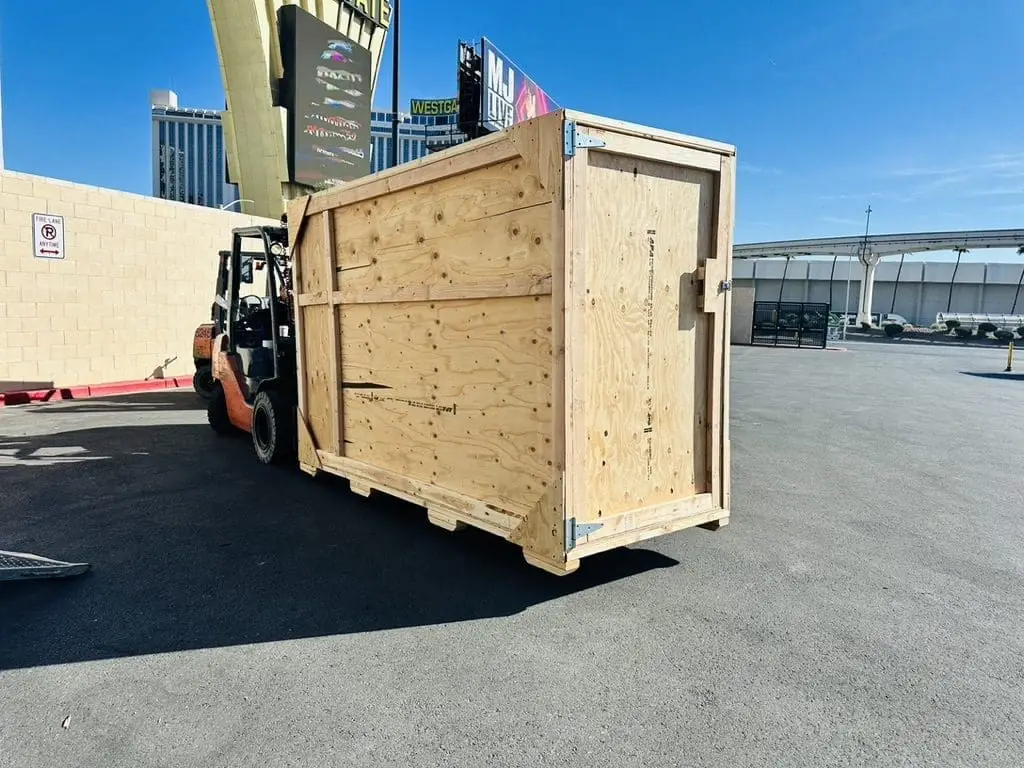
Begin by deciding whether the work is ready to travel. If its condition is uncertain, consult a conservator before choosing a packing method.
Why Artwork Crating Matters
Impact, vibration, abrasion and unsuitable environmental conditions can damage an artwork even when the container appears intact. A sound plan considers the whole journey, including collection, transfers, storage, delivery and unpacking.
The Canadian Conservation Institute's painting guidance emphasizes assessing condition, recording it before travel and choosing packing for the artwork and route.
A crate should make the work easier to handle without allowing handlers or packing materials to place pressure on delicate surfaces. It does not guarantee damage-free transport or replace the lender's or insurer's requirements.
Choosing the Right Crate for the Work
Paintings and Prints
Assess the frame, glazing, surface and support. A shallow crate may suit some framed works, while others need a travel frame or additional protection. Keep fragile painted surfaces and decorative elements away from pressure points.
Sculptures and Three-Dimensional Work
Identify the weight, stable support areas and fragile projections. A fitted mount or separate inner support may be needed before cushioning and an outer enclosure are considered.
Mixed Media and Installations
Document the components, approved disassembly sequence and materials that must not touch one another. Keep hardware and assembly instructions identifiable so the receiving team can reconstruct the work correctly.
Avoid designing solely around external dimensions. The crate needs room for the intended supports, protective clearances and safe removal.
Crating Techniques That Address Actual Risks
Compatible Contact Materials
“Acid-free” is not a complete test of suitability. Materials must also avoid abrasion, sticking, impressions or residue on the particular surface. Do not place bubble wrap, tape or a generic foam directly against a vulnerable finish without appropriate guidance.
The CCI's artwork packaging bulletin explains why surface compatibility and protective wrapping need separate consideration.
Support and Cushioning
Restrain the work without pressing against weak parts. Cushioning should suit the load and its fragility, rather than simply fill empty space. A packing diagram is useful for works that will make a return trip.
Moisture and Temperature
Agree on the environmental needs with the owner, lender or conservator. Do not add desiccant indiscriminately or assume a wooden enclosure maintains a safe climate. Controlled transport and a suitable wrapping system may be part of the plan.
Opening and Identification
Make the opening sequence clear and avoid fasteners or tools near the artwork. Mark orientation and handling instructions, and identify the work without unnecessarily exposing sensitive collection information.
Shipping and Handling Considerations
Choose handlers experienced with the type of work and confirm the receiving route, stairs, lifts, workspace and appointment. Send the recipient the packing inventory and unpacking instructions in advance.
Maintain photographs and condition reports before dispatch and at receipt. Confirm any insurance conditions with the relevant insurer or broker; documentation alone does not establish coverage.
For international shipping, check the packaging materials and route. Regulated solid-wood components may need treatment and authorized marking; the artwork's import or export documentation is a separate matter. The IPPC's ISPM-15 overview explains the wood-packaging scope.
Reuse and Sustainability
A crate designed for a particular work may be useful for exhibitions, loans and return travel. Inspect it between trips and retain the original packing diagram and approved supports.
Check for damaged panels, loose hardware, compressed cushioning, moisture or contamination. A crate used for another artwork needs a new assessment, even if the dimensions are similar.
Reuse can reduce packaging waste, but transport, repairs and storage also affect cost and environmental impact. Heat treatment is not an environmental certification, and a transport crate should not automatically be treated as suitable long-term collection storage.
Frequently Asked Questions
Why use professional artwork crating?
A coordinated packing design can address the work's weak points and make transport and unpacking more controlled.
What crate is best for a painting?
The choice depends on condition, framing, glazing, size and route. Some works require a travel frame or conservator's advice before packing.
How are sculptures supported?
Use stable, appropriate load-bearing areas while leaving fragile projections free of pressure. The support and cushioning arrangement should be specific to the work.
Does every international art shipment need a marked wooden crate?
No. Applicability depends on packaging materials and the route; separate rules may apply to the artwork itself.
Can an art crate be reused?
Yes, when its condition and packing arrangement remain suitable. Reassess it after damage, alteration or a change of contents.
PLAN YOUR CRATING
Plan Crating for Your Artwork
Share photos, dimensions, weight, condition information and any lender or conservator instructions with Crates of Las Vegas. Discuss artwork crating before scheduling collection so the packing and receiving plans can be agreed together.
Discuss your shipmentMORE CRATING GUIDES



