
LAS VEGAS · CRATING GUIDE
Custom Crates for Artwork and Antiques in Las Vegas
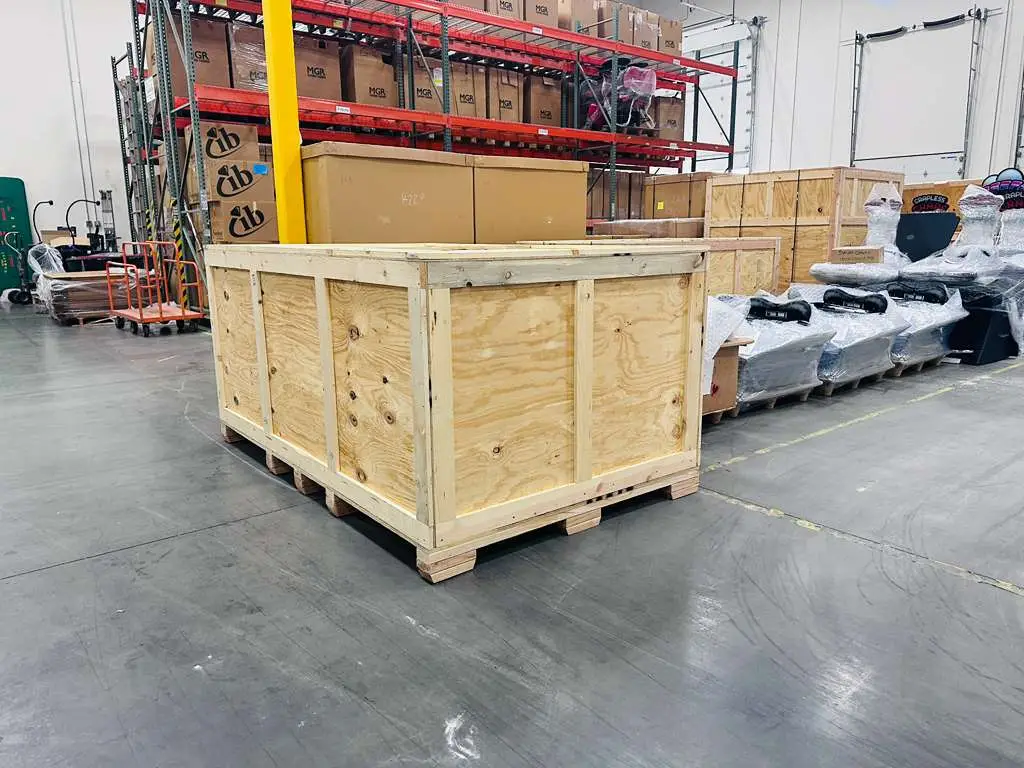
Artwork and antiques can be vulnerable in ways that are not obvious from their dimensions. A fragile paint surface, an old repair, a loose joint or an ornate frame can change how the object should be supported and handled.
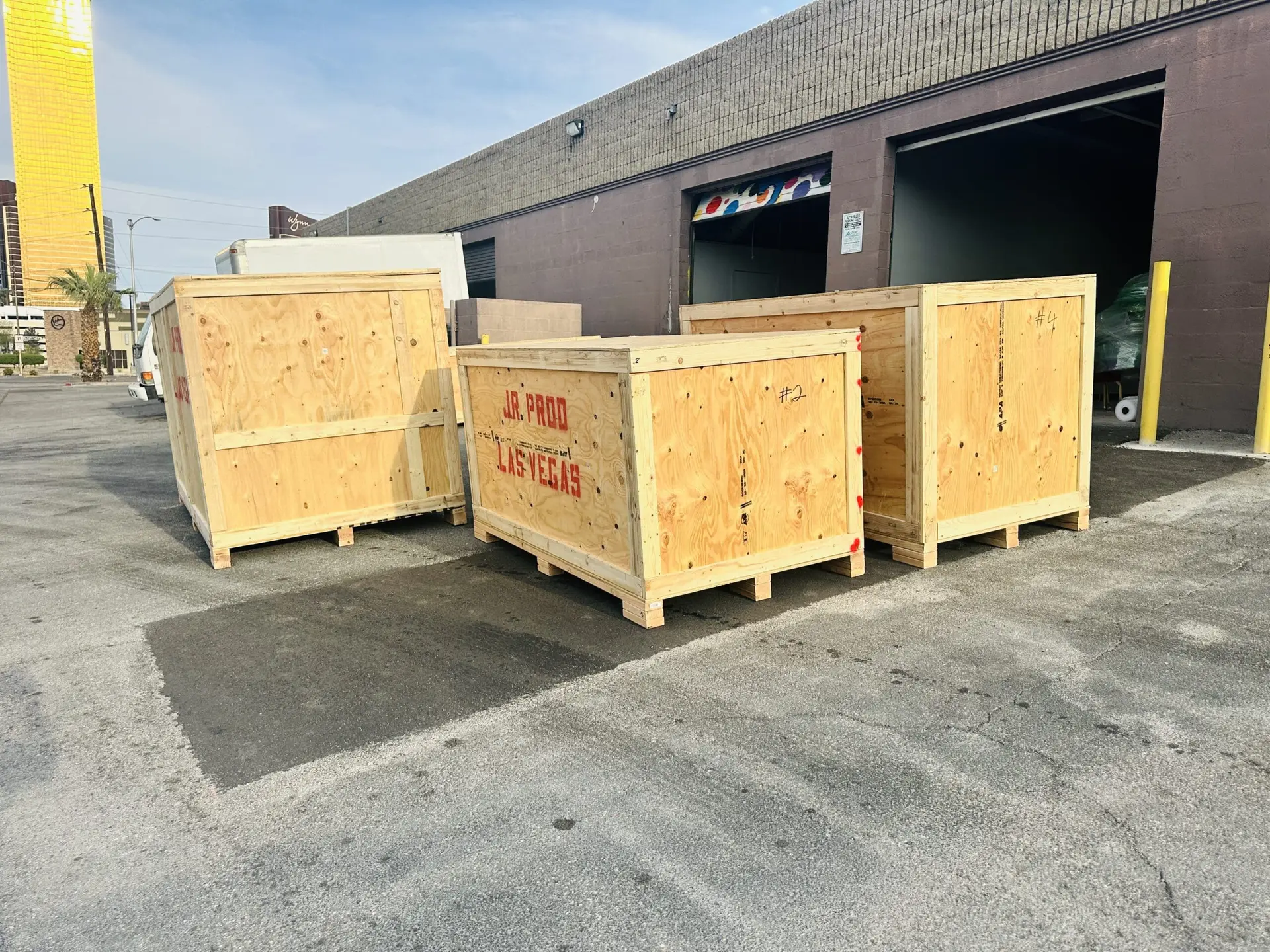
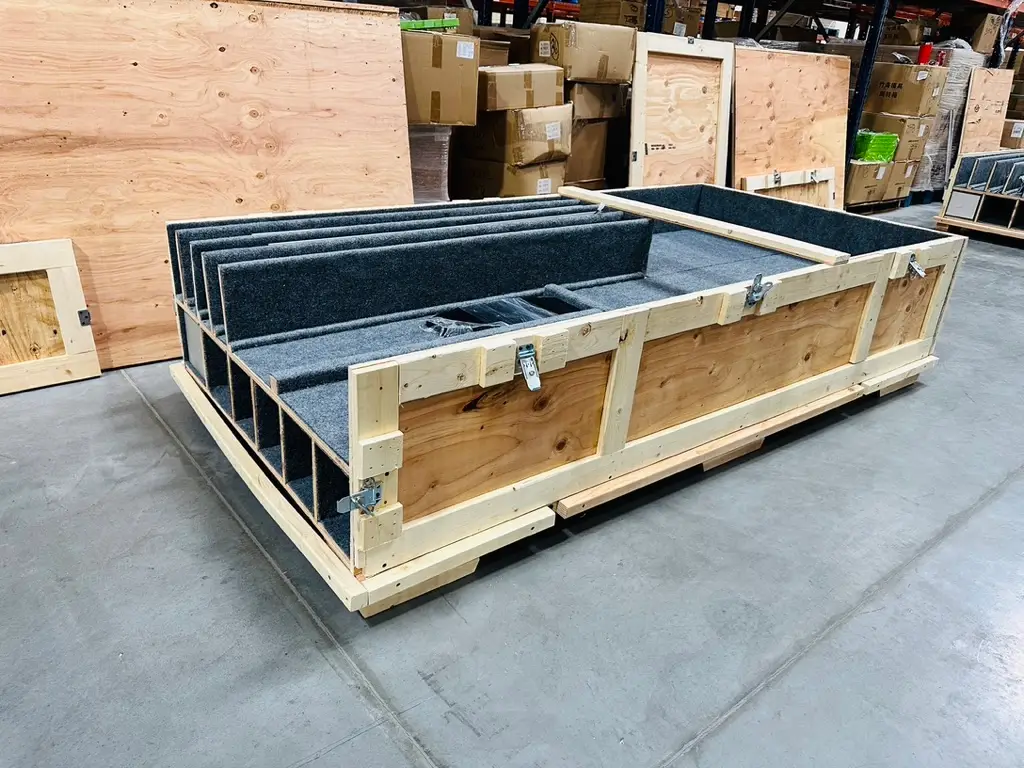
A custom crate should be designed around those details and the transport plan. Before packing, document the condition and identify any concerns that need an art handler's or conservator's assessment.
Record condition and handling requirements
Photograph the object and any vulnerable details before work begins. Measure the full piece, including frames and projections, and provide reliable weight information. Tell the packer about previous repairs, unstable finishes or components that may detach.
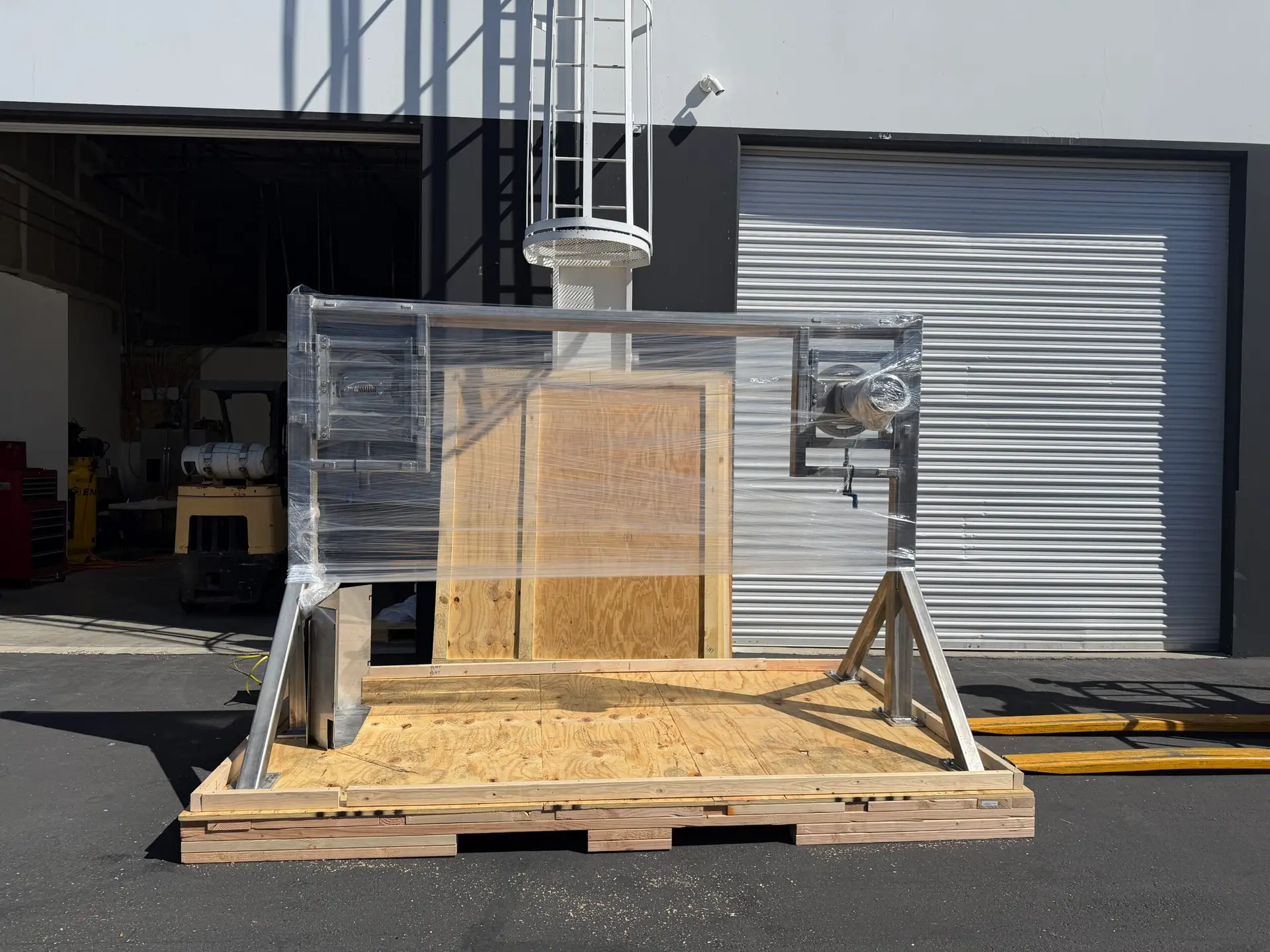
For mixed collections that include electronics or technical display equipment, provide the maker's instructions separately. Similar outside dimensions do not make their packing requirements interchangeable with those of an antique or artwork.
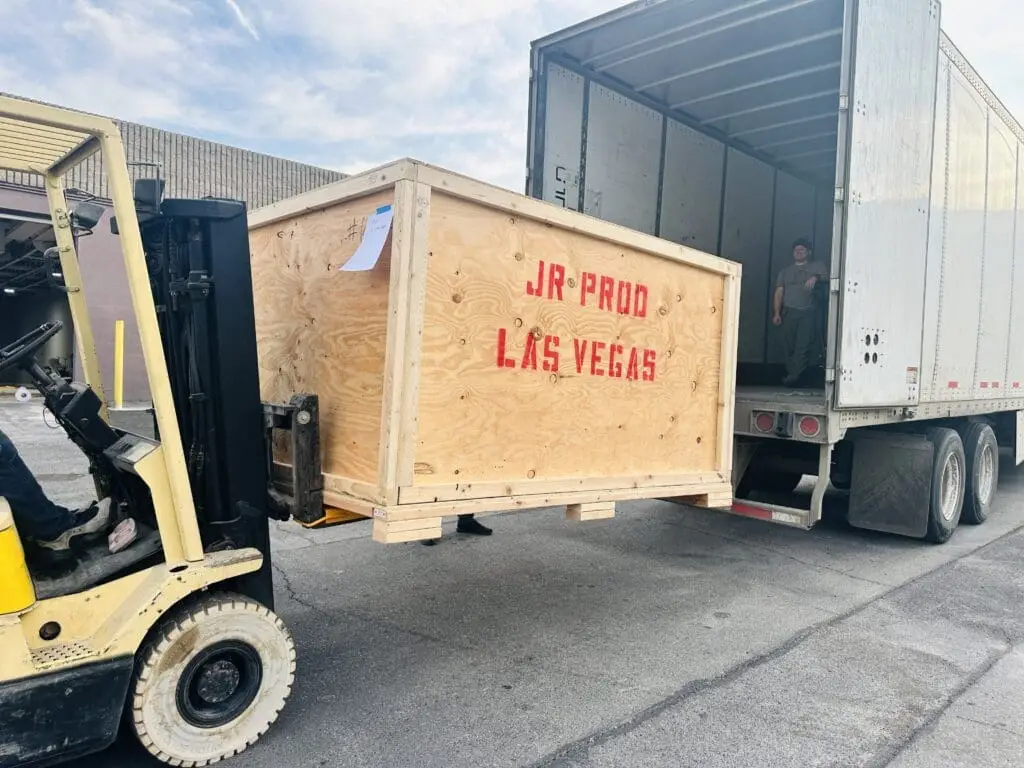
Protect surfaces without creating harmful contact
Ask which materials will touch the object and why they are suitable. Avoid tape directly on original finishes and do not assume that a common wrapping material is appropriate for every surface.
The CCI guide to conservation materials discusses compatibility and protective interfaces. If the object's surface or condition is uncertain, get specialist advice before selecting the wrapping or support.
Plan paintings, sculptures and antique furniture differently
Paintings and frames
A painting may need a support or travel frame that keeps packing away from the painted surface. The CCI note on wrapping paintings explains why wrapping and a complete shipping case are separate considerations. Use an object's actual condition to choose the method.
Sculptures and objects with projections
Identify suitable support areas and keep fragile projections clear of pressure. Discuss how the object can be lifted out without catching on the enclosure or internal packing.
Antique furniture
Record loose parts, old joints and fragile decoration. Do not assume disassembly is safe; get appropriate advice before removing components. Label any parts that are intentionally removed and keep their packing locations documented.
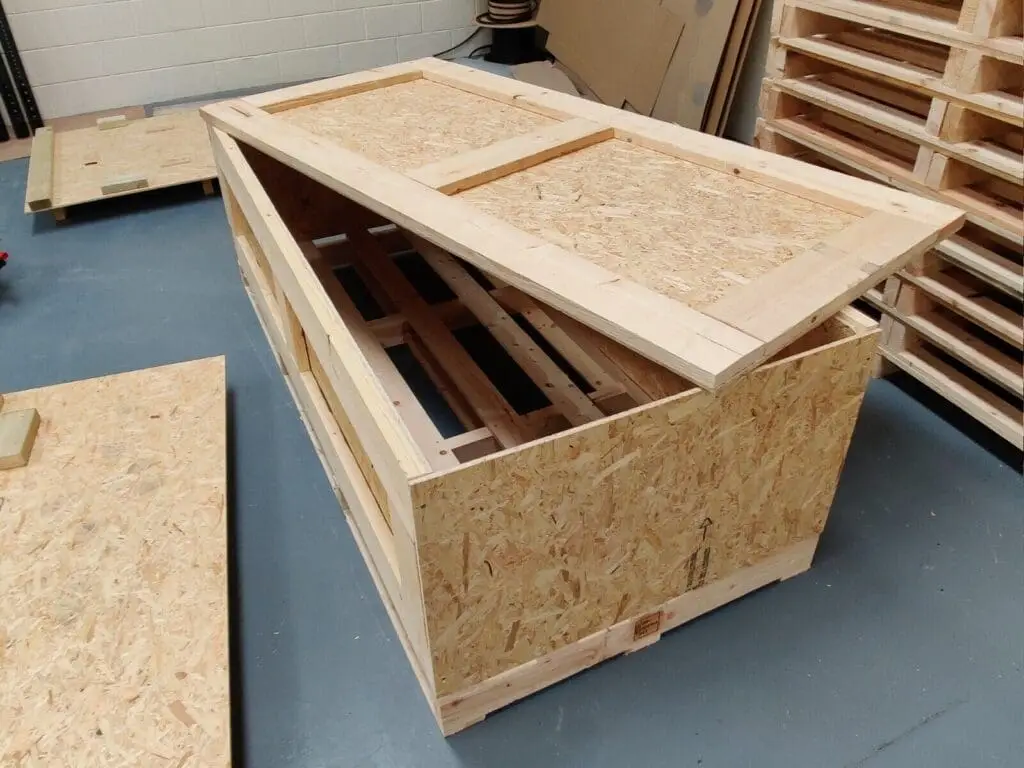
Consider transport and environmental exposure
Describe the route, likely storage stops and any known sensitivity to temperature or humidity. A wood crate does not create a controlled environment by itself. Ask whether the transport service and any additional protective measures suit the object.
For overseas shipments, review applicable wood-packaging treatment and marking with the provider and confirm separate cargo documents with the carrier or broker. An export mark does not establish museum-standard handling or guarantee admission.
Prepare the recipient before the crate arrives
- Confirm receiving access and the people or equipment needed.
- Provide the opening sequence and safe handling points.
- Identify any instructions from the conservator or collection owner.
- Keep the inventory and condition record available for comparison.
- Save the packing layout and supports if the work will travel again.
A clear handoff helps the recipient avoid improvising around an unfamiliar package. For significant temperature changes or sensitive works, follow the specialist's advice about when and how to unpack.
PLAN YOUR CRATING
Discuss a crate for your artwork or antique
Review art-crating and packing services with Crates of Las Vegas. Share condition photographs, measurements, destination and specialist instructions so the proposal can be assessed against the needs of the individual piece.
Discuss your crating projectMORE CRATING GUIDES