

Art and fragile items
Art and Fragile Item Crating: Shipping Valuables from Las Vegas
Artwork, antiques and fragile equipment need packaging planned around their condition and vulnerabilities. A crate should support the item, protect sensitive surfaces and fit the handling conditions expected during the journey.
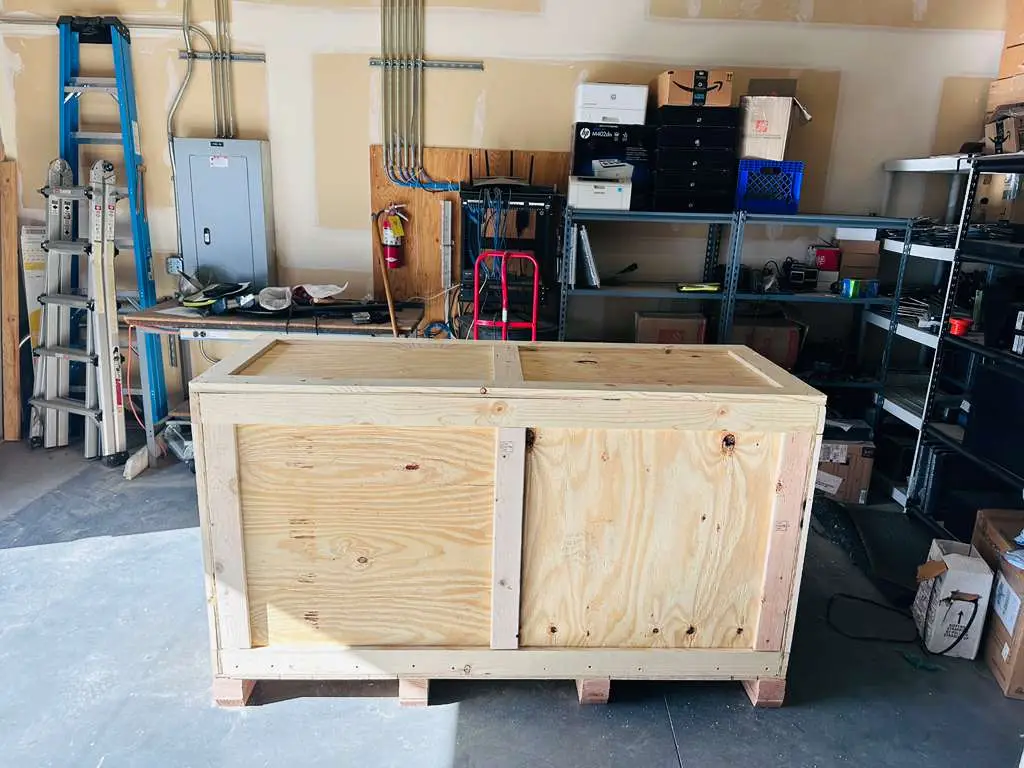
For Las Vegas collectors, galleries and businesses, the process begins before a box is built. Document what is being shipped, identify any special restrictions and coordinate packing with the carrier and receiver. This guide covers the main risks, item-specific protection, export considerations and on-site options.
Understand the Risks Before Packing
Shock, vibration, compression and changes in temperature or humidity can affect a fragile item in different ways. A heavy sculpture, framed painting and electronic instrument should not receive the same packing design simply because each is valuable.
Record the item's condition and photograph vulnerable areas before packing. Loose joints, flaking surfaces, projecting parts or existing cracks may require a conservator's assessment or manufacturer guidance before the item can travel.
The planned route matters too. Identify how often the cargo will be transferred, whether it will be stored between legs, and what lifting equipment is available. An exhibition shipment may also need to survive unpacking, storage and a return trip.
The Canadian Conservation Institute's artwork transport guidance explains how shipping hazards and object sensitivity inform the protective system. Use that assessment to choose the packing, rather than relying on an unqualified “museum-quality” label.
Choose Protection for the Specific Item
Paintings and framed works
Protect the frame and keep packing materials away from vulnerable painted surfaces. Wrapping materials and contact points should be compatible with the work's condition. The Canadian Conservation Institute's painting-wrapping guidance emphasizes assessing the painting for travel and preparing it in appropriate environmental conditions.
Sculptures and antiques
Identify stable support points and fragile projections. Internal supports should restrain the item without concentrating force on a weak detail or delicate finish. Unusual shapes may need custom fixtures and a documented packing sequence so the receiver can remove them safely.
Electronics and sensitive instruments
Follow manufacturer instructions for transport locks, removable accessories, orientation and packing materials. Electrostatic-sensitive components may need an appropriate protective system. Do not assume ordinary foam provides electrostatic protection or that crating guarantees an instrument will retain calibration.
Environmental protection
A sealed barrier, conditioned packing materials or insulation may help manage the environment when correctly specified. An ordinary wooden crate does not actively control temperature or humidity. If the item needs controlled transport, agree those conditions with the carrier and any storage provider.
Check Export Requirements
International shipments can involve wood-packaging, customs and commodity-specific requirements. Identify the destination early and provide the broker with an accurate description of the contents.
Regulated solid-wood packaging may need ISPM-15 treatment and marking. Qualifying processed-wood packaging is exempt under the standard, but solid-wood bases or bracing can still require compliance. APHIS provides U.S. export wood-packaging guidance.
A treatment mark addresses the wood's phytosanitary status. It does not certify the artwork's condition, replace export or import documents, establish an insured value or guarantee customs release. Ask the broker or appropriate specialist about additional requirements for the specific object and destination.
Keep the packaging specifications, condition photographs and shipment documents accessible. They help the parties understand what was packed and how it should be handled.
Consider On-Site Crating
On-site crating may be suitable when an item is too large or fragile to move to a packing facility without additional protection. Assessment and assembly at the pickup location can remove one transport step, provided the team has suitable access and workspace.
Share photographs of the item and the route out of the property. Check doors, stairs, elevators, loading areas and any building or venue restrictions. Confirm whether lifting, rigging and loading are included or require a separate contractor.
For exhibitions, arrange packing around the venue's move-out schedule and confirm how the empty crate will be stored. A reusable crate only works well if its supports, hardware and instructions remain available for the return trip.
A Practical Fragile-Item Shipping Checklist
- Record condition and identify anything that needs specialist review before travel.
- Measure the complete item, including its frame, base and projections.
- Confirm weight, orientation and safe support or lifting points.
- Select surface-compatible wrapping, restraints and cushioning.
- Verify the crate's external dimensions and gross weight with the carrier.
- Agree any temperature, humidity or storage requirements explicitly.
- Provide clear opening, unpacking and repacking instructions.
- Confirm recipient access, equipment and availability before dispatch.
- Inspect reusable crates and replace damaged components through a suitable provider before the next trip.
Avoid filling empty space indiscriminately or allowing padding to press against a fragile surface. Protection depends on how the complete system works, including the carrier's handling and the receiving arrangements.
PLAN YOUR CRATING
Discuss Crating for Your Valuables
Send Crates of Las Vegas the item dimensions, photographs, destination and any conservation or manufacturer instructions. Include access limitations and the proposed pickup schedule so the packing requirements can be reviewed.
Contact our team about art and fragile-item crating.
Discuss your crateMORE CRATING GUIDES



