LAS VEGAS · ENGINE & TRANSMISSION SHIPPING
Shipping an Engine or Transmission? How to Choose Between a Pallet and a Crate
An engine can look ready to ship while still needing a carefully planned package. Its weight is only part of the problem. Protruding components, uneven weight distribution, fluid residue, and the carrier’s handling requirements all affect the decision.
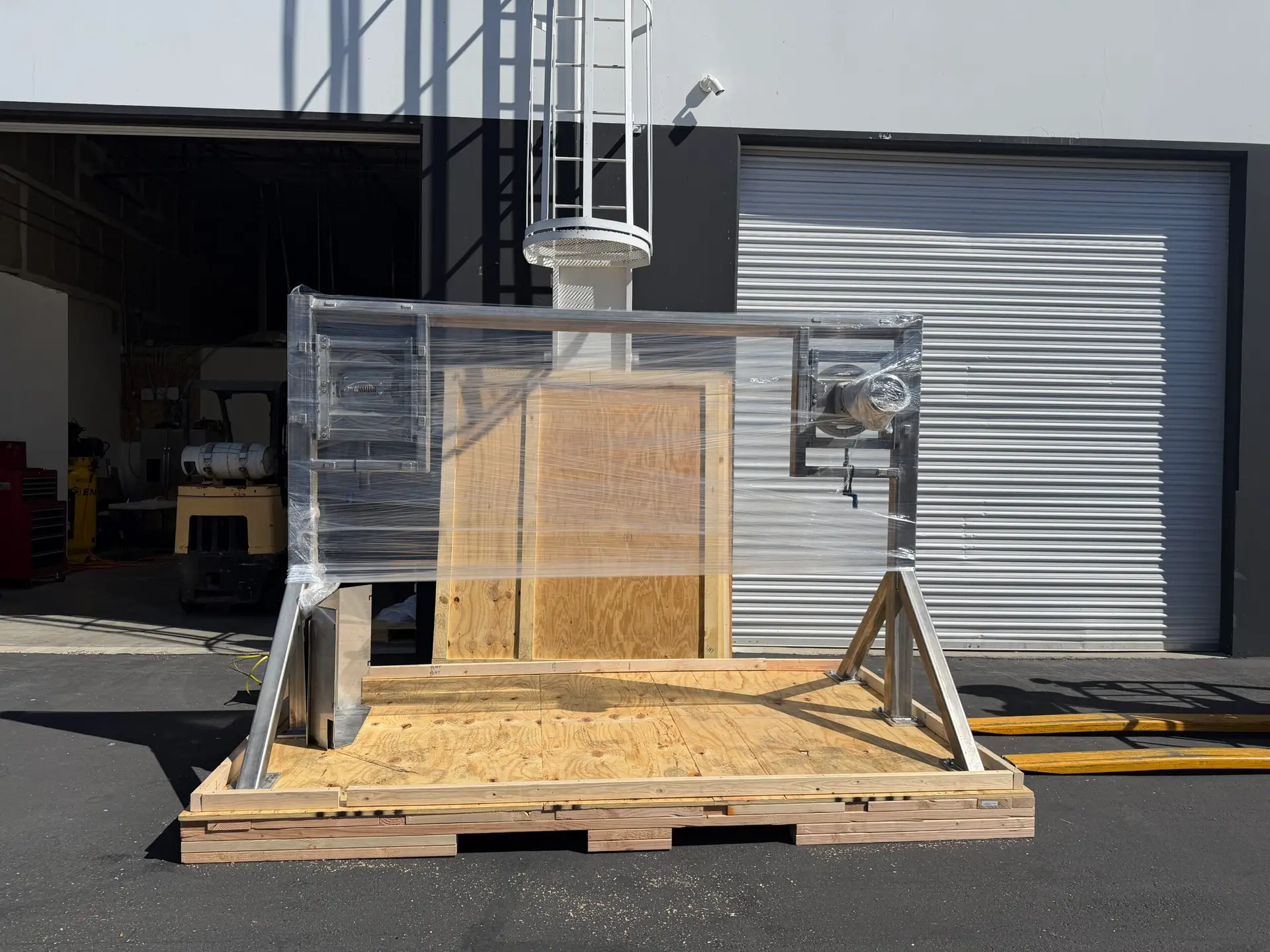
If you’re shipping an engine or transmission from Las Vegas, start by confirming that the carrier accepts the exact unit and condition. Then compare the support and protection each packaging option provides. A purpose-built pallet may fit one shipment; another may call for a fully enclosed crate.
Start with the carrier’s requirements
Before requesting a shipping quote, identify what you’re sending: a bare block, complete engine, rebuilt transmission, or used assembly. Tell the carrier whether the unit has contained fuel, oil, or other fluids, and provide the manufacturer’s information where available.
FedEx’s automotive shipping guidance discusses fluid preparation, transmission packaging, and automotive components that may be regulated as dangerous goods. Preparation requirements depend on the item and service. Draining a unit does not, by itself, establish that it is nonhazardous or acceptable for transport.
Have a qualified shop handle any necessary preparation. Confirm classification, documentation, and acceptance with the carrier before the packaging design is finalized. Those questions are especially important when comparing ground and air services.
When a pallet or skid may be suitable
A pallet or skid provides the foundation for the shipment. A suitable design must account for the unit’s footprint, weight distribution, approved support points, and the equipment used to move it.
Consider this option when the carrier permits it and the assembly can be securely supported with appropriate protection for exposed parts. A standard warehouse pallet should be evaluated carefully rather than selected simply because the engine fits on top.
Ask the packaging provider:
- Can the base accommodate the actual load and its mounting arrangement?
- Which components need clearance or separate protection?
- Will the finished package work with the carrier’s handling equipment?
- What additional enclosure does the carrier require?
Crates of Las Vegas offers purpose-built pallets, skids, and custom support structures. Share the unit’s specifications so the team can assess the project and confirm acceptance before recommending a design.
When a crate deserves consideration
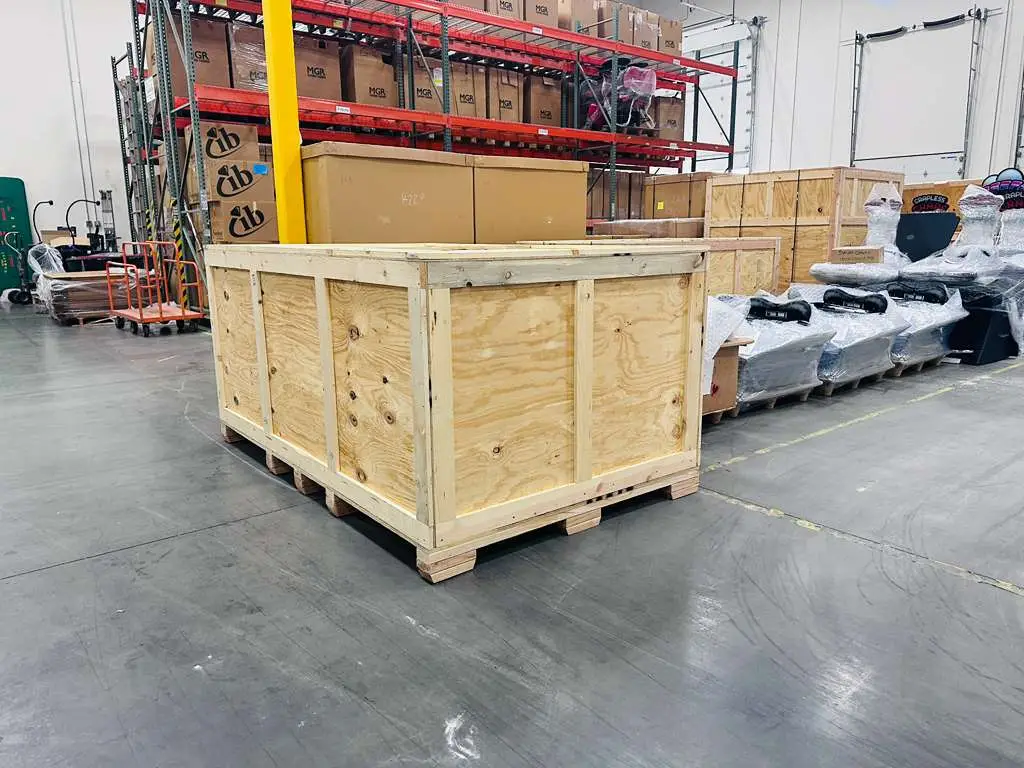
A crate adds an enclosure around the supported assembly. That can be worth discussing when the shipment includes vulnerable attachments, exposed machined surfaces, or components that would be difficult to replace.
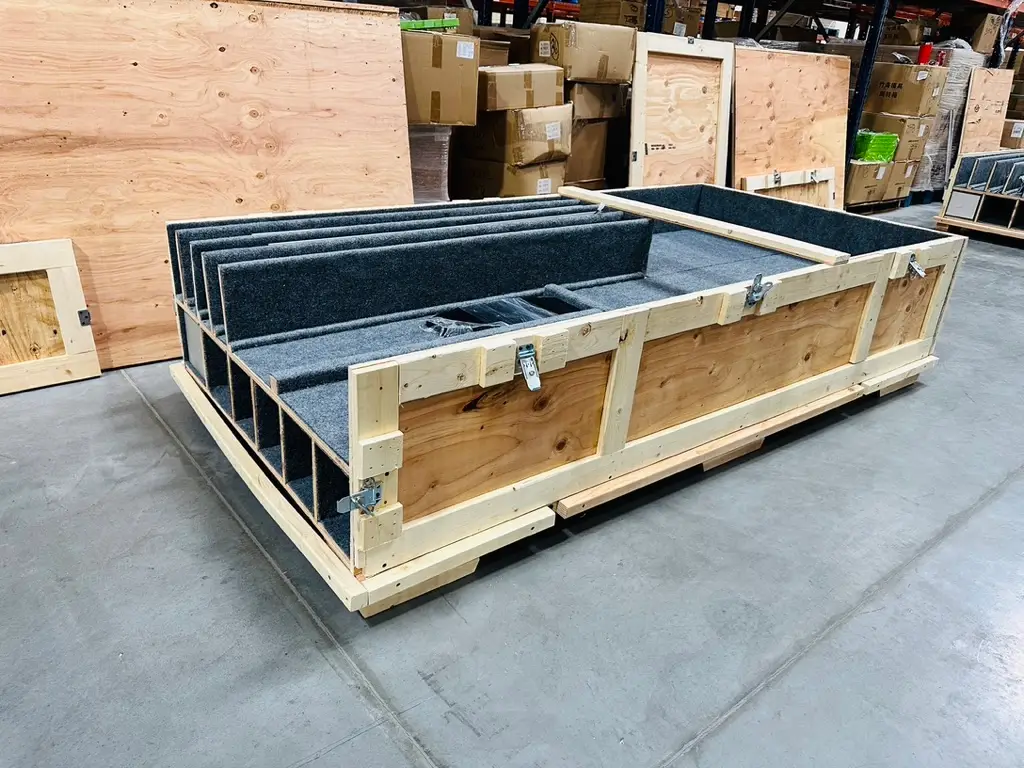
Look beyond the outside walls. The interior needs a deliberate support and restraint plan. A heavy assembly should not be able to shift into the enclosure during handling.
Evaluate the base, restraints, and enclosure together. Ask how the design will protect attachments and allow safe handling without relying on the outer walls alone.
Explore the custom crate options with the team, including which internal supports and protective features suit your assembly, route, and carrier requirements.
Compare the full shipping plan
A useful comparison includes more than the price of the wood packaging. Request the final packed dimensions and weight, then obtain carrier quotes using the same pickup and delivery conditions.
For a repair shop in Las Vegas sending a transmission to a rebuilder, the receiving shop’s instructions may be the best starting point. Ask whether it requires a particular container, has a preferred carrier, or expects the packaging to be used for a return shipment.
Also confirm access at both ends. Is there a loading dock? Who will provide the appropriate handling equipment? Does a residential delivery or appointment need to be included? Arrange professional handling rather than improvising a lift on pickup day.
For repeat shipments, ask how the package will be opened, inspected, and reclosed. A design that is easy for the receiver to use can avoid confusion when the empty packaging or replacement unit needs to travel back.
What to provide for a crating assessment
Prepare a short, accurate description before contacting a packaging company:
- Unit type, manufacturer, and model if known
- New, used, rebuilt, or other condition
- Dimensions and weight, with units of measurement
- Photos showing the assembly and protruding components
- Known fluid history and completed professional preparation
- Origin, destination, and carrier requirements
- Pickup access and the date the shipment needs to be ready
If something is unknown, flag it. An estimate based on an incomplete description should be revisited before fabrication or booking.
PLAN THE PACKAGING
Choose the package around the shipment
The right choice comes from matching support, protection, and carrier acceptance to the actual engine or transmission. Discuss both palletized and crated options before committing to either.
Contact Crates of Las Vegas with your shipment details to ask about project acceptance and packaging requirements. Confirm the company’s scope, the carrier’s approval, and who is responsible for preparing and handling the unit before scheduling the work.
Request a crating assessmentMORE CRATING GUIDES