

LAS VEGAS · CRATING GUIDE
Top 7 Mistakes Businesses Make When Shipping Heavy Machinery
Shipping heavy machinery is one of the most expensive and risk-sensitive parts of industrial logistics. Whether you are transporting manufacturing equipment, construction machinery, generators, HVAC systems, medical machinery, or custom fabricated components, a single mistake can lead to equipment damage, project delays, insurance disputes, and thousands of dollars in unexpected costs.
In Las Vegas, Henderson, Summerlin, and North Las Vegas, businesses regularly move heavy machinery between job sites, warehouses, convention facilities, and customers across the United States and overseas. Careful preparation can reduce avoidable handling problems and help the carrier quote the correct service.
This checklist covers preparation issues to review with your crating provider, carrier, and the people responsible for the machine.
This guide covers the top seven mistakes businesses make when shipping heavy machinery and how to avoid them.
Mistake #1: Using the Wrong Crate or Skid
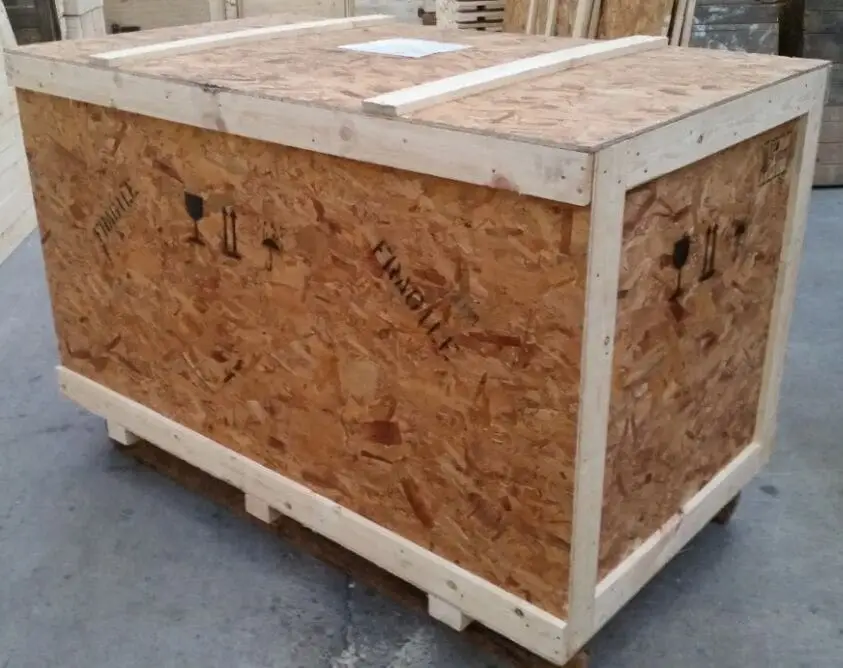
One of the most common and expensive mistakes is choosing a crate or skid that is not engineered for the weight and center of gravity of the machinery. Many businesses assume that a standard pallet or light-duty wooden skid is sufficient, only to discover that it flexes, cracks, or becomes unstable during loading and transit. Heavy machinery creates concentrated pressure points that require reinforced structural support, proper blocking, and secure anchoring.
In Las Vegas industrial shipping, this issue is especially common with CNC machines, compressors, pumps, generators, and fabrication equipment. A custom-built heavy-duty skid or closed crate distributes weight correctly and prevents movement during forklift handling and transportation. Compare the support design and transport risks alongside the price; the lowest crate cost may not be the lowest total shipment cost.
For high-value equipment, custom foam, blocking, and bracing should be designed specifically for the machine rather than added as an afterthought. The crate or skid is one part of the protection system. The carrier must also secure the load appropriately to the vehicle.
Mistake #2: Incorrect Weight and Dimension Measurements
Freight pricing for heavy machinery depends heavily on accurate weight and dimensions. Businesses often underestimate height, forget to include protruding components, or provide approximate weights instead of verified measurements. This can result in reweigh fees, reclassification charges, loading problems, and shipment delays. For oversized machinery leaving Henderson or North Las Vegas, even a few inches can determine whether the shipment requires special permits, different trailer equipment, or additional handling charges.
Incorrect measurements may also prevent the carrier from allocating the proper space on the truck. Record item dimensions and weight for crate design, then confirm the finished external dimensions and gross weight after crating or mounting on a skid. Include all external dimensions, attachment points, and protective packaging. If the equipment has an uneven weight distribution, document the center of gravity so the carrier and loading crew can handle it safely.
Accurate measurements not only prevent surprise charges but also improve carrier selection and reduce the risk of transit complications.
Mistake #3: Failing to Secure Moving Parts
Heavy machinery is often damaged not by external impact, but by internal movement during transportation. Rotating assemblies, sliding components, doors, panels, arms, and detachable accessories can shift when the truck brakes, accelerates, or encounters vibration. Businesses in Las Vegas construction and manufacturing sectors frequently overlook this step when shipping equipment that has been operating on a job site. Before crating, have the equipment owner or qualified technician prepare moving parts in accordance with the manufacturer’s transport instructions.
Use specified shipping locks or restraints where required, and identify parts that must be removed or packed separately. Do not improvise restraints on delicate assemblies or pressurized systems. Custom blocking and bracing inside the crate prevents the machine from transferring stress to delicate components. For export shipments, additional vibration protection is often recommended because ocean freight can expose equipment to prolonged motion and shock. A machine that appears secure from the outside may still suffer serious internal damage if its moving parts are not immobilized properly.
Mistake #4: Ignoring Moisture and Corrosion Protection
Many companies focus on impact protection and forget that moisture is one of the biggest threats to heavy machinery. Condensation, humidity, rain exposure, and temperature changes can cause corrosion, electrical damage, and contamination of precision components. This is particularly important for machinery shipped from Las Vegas to coastal regions or international destinations. A closed crate alone is not always enough. Sensitive equipment may require vapor barriers, desiccants, corrosion-inhibiting materials, or heat-shrink wrapping to control moisture exposure during transit and storage.
For international shipments, verify the destination’s treatment and marking requirements for regulated solid wood packaging, including the skid and loose blocking. ISPM-15 treatment does not provide corrosion protection. Proper moisture protection should be planned based on the destination, transit time, and storage conditions, not added at the last minute. Corrosion damage may not be visible upon delivery, which can complicate insurance claims and create expensive problems weeks or months later.
Mistake #5: Choosing the Cheapest Freight Option
Selecting the lowest freight quote without evaluating handling quality is a major mistake. Heavy machinery is not a standard parcel shipment. Carriers vary significantly in their experience with industrial equipment, terminal handling practices, and claims performance. A cheaper LTL carrier may involve multiple terminal transfers, increasing the risk of forklift damage and improper handling. In some cases, a dedicated truck or specialized machinery carrier is the safer and more economical choice when potential damage costs are considered.
For businesses in Summerlin, Henderson, and North Las Vegas, the best shipping option depends on the machine’s value, fragility, dimensions, and delivery schedule. Paying slightly more for experienced handling, fewer transfers, and better communication can prevent far greater losses later. Freight should be evaluated based on total risk, not just the initial rate.
Mistake #6: Poor Documentation and Photos
When damage occurs, documentation becomes critical. Many businesses take only one or two photos of the machine and fail to record the condition of the equipment before shipment. Without detailed evidence, insurance claims can become difficult to prove. Before shipping, photograph: All sides of the machinery Serial numbers and identification plates Existing scratches or damage Internal blocking and bracing The completed crate or skid Loading onto the truck Keep copies of weight tickets, crate specifications, inspection reports, and freight documents.
For high-value machinery, agree on condition documentation and the carrier’s inspection and claims process before pickup. Good documentation supports an accurate record of the shipment; it does not guarantee a claim will be paid.
Mistake #7: Not Planning for Delivery and Unloading
A shipment is not complete when it leaves your facility. One of the most overlooked issues is delivery-site preparation. Businesses sometimes arrange transportation without confirming whether the destination has the equipment needed to unload the machinery. Questions to ask include: Is a forklift or crane available? Is the unloading equipment rated for the actual load, load center, and planned lift? Are there dock restrictions? Is the crate too tall for the entrance?
Will the truck have adequate access? In Las Vegas commercial and hospitality properties, access limitations are common. A perfectly packed machine can still be damaged during unloading if the receiving site is unprepared. Coordinate delivery details in advance with the customer, warehouse, or job site. Provide finished crate dimensions, gross weight, center-of-gravity information, and the agreed handling plan before the truck arrives. Qualified lifting personnel should confirm that the equipment and access are suitable.
Conclusion
Shipping heavy machinery successfully requires more than booking a carrier. The most costly failures usually happen before the truck leaves the dock. Using the wrong crate, providing inaccurate measurements, leaving moving parts unsecured, ignoring moisture protection, choosing freight based only on price, failing to document the shipment, and overlooking delivery planning can all lead to expensive damage and delays. For businesses in Las Vegas, Henderson, Summerlin, and North Las Vegas, investing in proper crating and shipping preparation is one of the most effective ways to protect valuable equipment and maintain project schedules.
A professionally engineered crate and a well-planned freight strategy reduce risk, improve handling, and often save money over the long term.
Further Reading
PLAN YOUR CRATING
Plan Your Shipment
Share the item’s dimensions, weight, photographs, destination, shipping method, and handling requirements when requesting a quote. Review custom pallets and skids, shipping services to discuss the packing approach that fits your shipment.
Request a Crating QuoteMORE CRATING GUIDES



