
LAS VEGAS · INTERNATIONAL FREIGHT
Export Packaging Solutions in Las Vegas: Reducing International Freight Risk
International freight shipping extends beyond moving goods from one location to another. Businesses must plan for multiple handling points, long transit periods, changing environments, and the destination's import requirements while keeping their cargo protected.
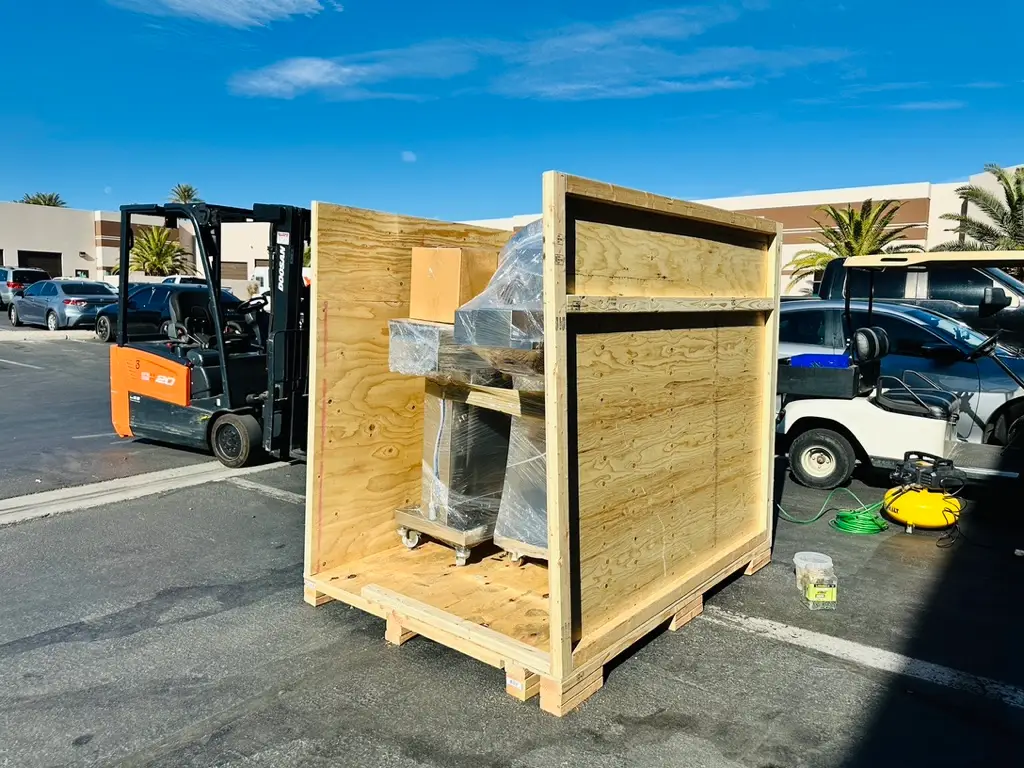
Machinery, electronics, medical devices, trade show exhibits, and other equipment can encounter vibration, impacts, moisture, and storage conditions that differ substantially from those at origin. Export packaging should be designed around these exposures and the cargo's specific vulnerabilities.
For Las Vegas exporters, a coordinated packing plan brings together the crate, its internal supports, environmental protection, handling instructions, and the freight arrangements. Each element serves a different purpose, and none alone guarantees a successful shipment.
Why International Freight Needs a Purpose-Built Packing Plan
Cargo may travel by truck, vessel, rail, or aircraft and pass through warehouses, terminals, and inspection areas. Repeated transfers create opportunities for handling contact, load shifting, or exposure to weather. Long storage or transit periods can increase the importance of moisture management.
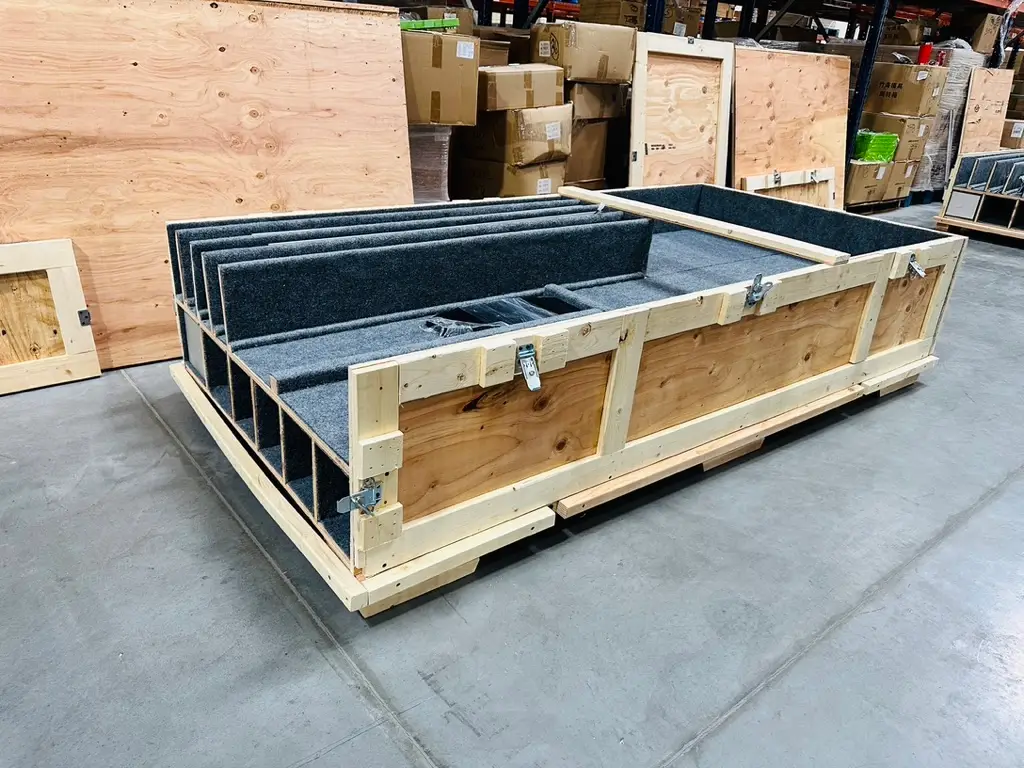
Professional export packaging begins with the shipment's dimensions, weight distribution, fragility, and transport route. A crate for heavy machinery needs a base and restraint system suited to the load. Sensitive electronics or instruments may require protective interiors that limit contact, vibration, and contamination.
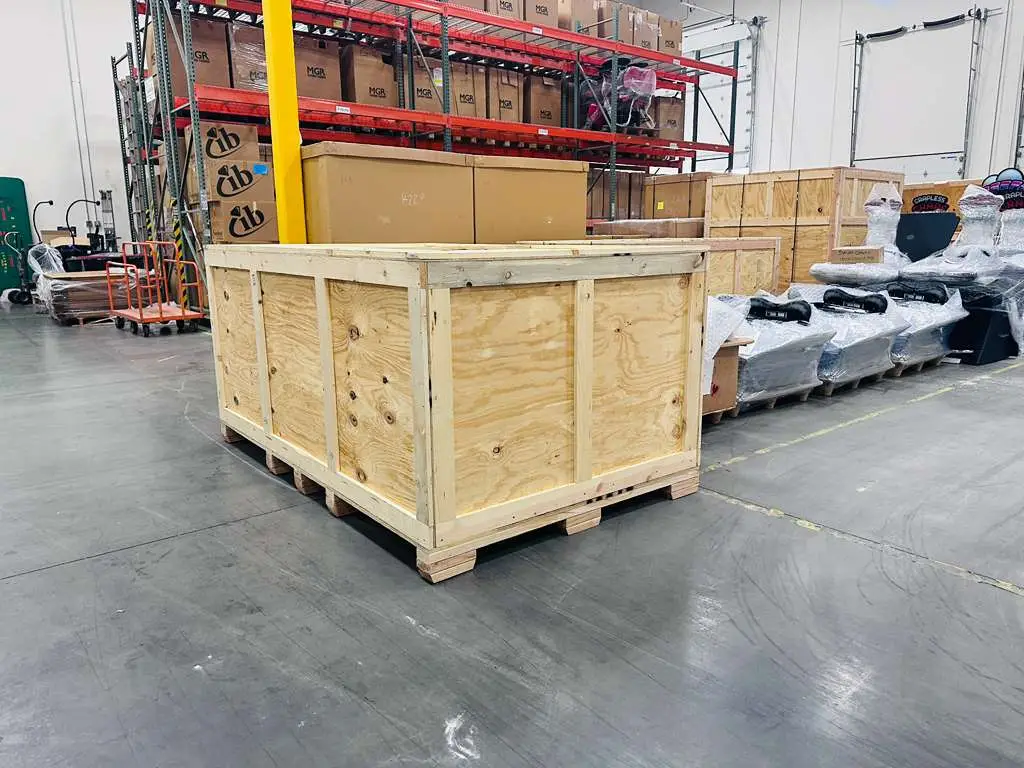
Wooden crates can combine reinforced framing, internal bracing, cushioning, and protective barriers. Material selection should follow the equipment requirements and the anticipated trip rather than a generic list of premium materials. A weather-resistant design also needs to account for seams, closures, and any openings.
Many destinations regulate solid-wood packaging under ISPM 15. Confirm the applicable requirements and compliant sourcing before fabrication using the USDA APHIS export guidance and the destination authority's rules. Wood-packaging compliance is one part of the export process, not a substitute for cargo documentation or customs review.
How Freight Packaging Helps Manage Damage and Cost
A damaged shipment can lead to repair costs, lost production time, rescheduling, and disputes over responsibility. The objective of a tailored packing plan is to address foreseeable risks before the cargo enters the freight network.
Start with a practical cargo assessment:
- Confirm the item's dimensions, weight, center of gravity where known, and approved support points.
- Identify fragile assemblies, finishes, exposed controls, removable parts, and orientation limits.
- Establish the likely handling equipment and transfer points.
- Record temperature, humidity, cleanliness, or static-protection requirements supplied by the manufacturer.
- Confirm how the receiving team will open the crate and remove the equipment.
Heavy machinery may need reinforced supports and internal blocking to restrain movement. Electronics may need cushioning selected for the load and suitable electrostatic-discharge protection. Materials must be compatible with the equipment; adding more foam or tighter restraints is not automatically safer.
Compare the complete packing and transport scope when evaluating cost. Better preparation may reduce avoidable loss, but damage rates, insurance premiums, and financial returns depend on the shipment and cannot be promised from the crate design alone.
Improve Handling and Supply Chain Consistency
Logistics-focused packaging considers how freight will be loaded, stored, inspected, and unloaded. Palletized bases, accessible fork entries, readable identification, and documented opening instructions can make handling more consistent across different crews.
Finished crate dimensions should be coordinated with the carrier's vehicle or container plan. Space-efficient packaging is useful only when it preserves the required support, clearances, and safe access. Confirm stacking capability rather than assuming any reinforced crate can carry another load.
For multimodal shipments, the package must be suitable for the handling conditions across the entire route. A design that works for direct truck delivery may need different protection when the shipment includes an ocean leg or additional terminal handling.
Reusable crates can support recurring exports when packing methods are documented and the crate is inspected between trips. Standardized layouts and fitted supports help crews reproduce the intended arrangement, but any change in cargo or route should trigger a review of suitability.
Address the Main International Freight Risks
Impact, Vibration, and Shifting
Internal supports and restraints should connect the cargo to appropriate structural areas of the crate. Cushioning or isolation can help manage shock and vibration when selected for the equipment's mass and sensitivity. The crate's external handling plan is equally important: mark the intended orientation and lifting or fork-entry locations and communicate restrictions to the carrier.
Moisture, Dust, and Temperature
Moisture barriers, desiccants, and compatible corrosion-protection materials may be appropriate for some equipment and routes. They need to form a coordinated protection system rather than a collection of unrelated packing layers.
A wooden crate does not provide active temperature control. If the cargo has environmental limits, arrange suitable transport and storage and reduce exposure during transfers. Do not assume that a sealed or insulated package will maintain those limits indefinitely.
Handling and Border Inspections
Crate bases and lifting provisions should match the packed weight, geometry, and equipment used at both ends. The cargo must also be secured to or within the transport vehicle; internal bracing does not complete that separate task. The carrier should apply the relevant FMCSA cargo-securement requirements for U.S. road transport.
Keep identification and necessary markings accessible, and provide a practical opening and repacking plan if an inspection is required. Compliant packaging may reduce one source of disruption, but it does not remove the possibility of an inspection or other customs delay.
Coordinate Export Packaging in Las Vegas
Local planning is useful for machinery, event equipment, and shipments that are difficult to move before packing. On-site crating may reduce an extra move when the work area, access, schedule, and required services are agreed with the provider.
Coordinate responsibilities among the shipper, crating team, carrier, freight forwarder, and customs broker. Confirm who prepares equipment, supplies documentation, loads the crate, obtains any necessary permits, and receives the shipment.
Keep photographs of the cargo and completed packing, retain the packing list, and share handling instructions with the receiving team. This record supports consistent unpacking and provides useful information if the shipment needs inspection or a condition review.
PLAN YOUR CRATING
Discuss Your Export Packaging Requirements
A successful export packing plan combines appropriate physical protection with a workable handling route and destination-specific preparation. Crates of Las Vegas can discuss custom crates and packing requirements for your international shipment.
Contact Crates of Las Vegas with cargo details, photographs, the destination, transport mode, and schedule to request an export packaging quote.
Request an export packaging quoteMORE CRATING GUIDES