

Export crating
ISPM-15 Heat Treatment for Shipping Crates
Heat treatment is one way to meet ISPM-15 requirements for regulated wood packaging used in international shipping. It addresses the risk of pests traveling in the wood used for crates, pallets and dunnage.
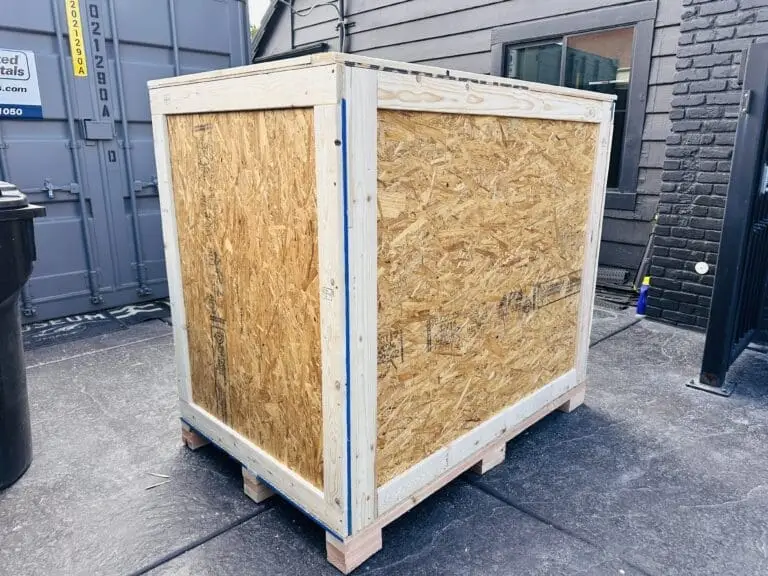
For exporters, the practical task is to source properly treated and marked packaging while also designing the crate for its cargo. Heat treatment, load support, cushioning and moisture protection each serve a different purpose. Planning them together helps avoid gaps in an otherwise well-prepared shipment.
What ISPM-15 Heat Treatment Does
ISPM 15 is the international standard for phytosanitary measures applied to wood packaging in trade. Conventional heat treatment carries the code HT and requires at least 56°C throughout the wood, including the core, for at least 30 continuous minutes.
The treatment reduces the relevant pest risk at the time it is performed. It does not keep a crate permanently pest-free. The IPPC's description of ISPM 15 specifically distinguishes treatment from ongoing protection against later contamination.
Regulated solid-wood components must meet the applicable debarking, treatment and marking requirements. Some processed-wood packaging is exempt, although solid-wood runners or blocking can bring regulated material into a package with plywood panels. Confirm the destination requirements and complete construction before ordering.
The IPPC mark records the country, authorized producer or treatment provider, and treatment code. It does not establish cargo suitability, crate strength or a right to bypass inspection.
How the Treatment Process Works
In conventional heat treatment, the wood is heated under a controlled schedule and monitored so the required condition is reached throughout the relevant material. The specified 30-minute period is the minimum time at the treatment temperature. Warming the wood can take additional time, so it is not a universal turnaround estimate.
U.S. compliant packaging can be made through an approved program using appropriately marked, previously heat-treated lumber, or by treating the completed wood packaging. The producer must also follow the authorized marking process. APHIS describes these manufacturing and treatment routes.
Heat treatment uses a thermal process rather than a fumigant. However, an HT mark is not proof that all materials in a crate are free of chemicals, coatings or adhesives. Sensitive cargo needs separate material-compatibility and cleanliness requirements.
Do not equate phytosanitary heat treatment with kiln drying or structural improvement. The HT mark does not specify a final moisture content, certify resistance to warping or show that the crate can withstand a particular load. Those properties depend on materials, condition and design.
The wider standard also recognizes dielectric heating and specified fumigation methods. If a different treatment is proposed, confirm its program and destination acceptance rather than assuming all treatment codes have identical conditions.
Designing Heat-Treated Crates for Cargo Protection
Start with the item's dimensions, verified weight, center of gravity and any manufacturer packing instructions. Then consider the handling and environmental conditions on the planned truck, air or ocean route.
A protective design may need:
- A base that supports the cargo at appropriate points.
- Blocking or attachment that prevents movement without loading fragile components.
- Cushioning selected for the item's mass, fragility and expected impacts.
- Forklift or lifting access suited to the packed weight and balance.
- Moisture or corrosion protection appropriate to the cargo and journey.
- Clear opening instructions for the receiver.
The amount and type of cushioning are design decisions; more foam is not automatically better. Likewise, adding bracing must not obscure required marks or introduce untreated regulated wood into an export package.
Discuss stacking restrictions, unloading equipment and return use before fabrication. Ask for any required testing or engineering assessment explicitly. A treated crate still needs a sound design and suitable carrier handling.
Marks, Records and Export Checks
Check that the required IPPC marks are complete and legible before loading. A supplier should be able to explain the authorization behind the mark. Warehouse staff should not copy or recreate it to resolve a missing-stamp problem.
Keep supplier details and relevant treatment records available for traceability. Avoid assuming that kiln logs or a separate treatment certificate must accompany every shipment. The mark is the recognized wood-packaging identifier; other documents depend on the destination, commodity and contractual requirements.
A practical dispatch review should bring together packaging and freight information:
- Destination and route confirmed with the broker or forwarder.
- Packaging materials and marks checked.
- No unverified blocking or replacement boards added.
- Packed dimensions and gross weight supplied to the carrier.
- Commercial and product documents checked by the responsible parties.
- Receiving and unloading arrangements confirmed.
An organized record system can make these checks easier, but it cannot replace inspection of the actual crate.
Common Heat-Treatment Mistakes
One mistake is assuming that any sturdy wooden box is export-ready. Another is treating an HT mark on purchased lumber as permission to mark a finished crate outside an approved program.
Mixed inventory and last-minute repairs also create risk. Keep unidentified packaging separate, and have an authorized provider assess repaired or remanufactured crates before they return to export use. The treatment itself has no routine expiry date, but alterations, contamination and destination requirements still matter.
Plan procurement around real supplier availability. If a shipment changes, review the crate specification rather than substituting unverified materials to preserve the original pickup time. Train staff to stop and escalate uncertain packaging before freight departs.
PLAN YOUR CRATING
Discuss Heat-Treated Export Crating
Provide the cargo specifications, destination and handling requirements when requesting a quote. Crates of Las Vegas can review the packaging needed for the shipment and clarify the proposed scope.
Contact our team about export crates.
Discuss your crateMORE CRATING GUIDES



