
Industry-specific crating
5 Industries That Depend on Custom Crating
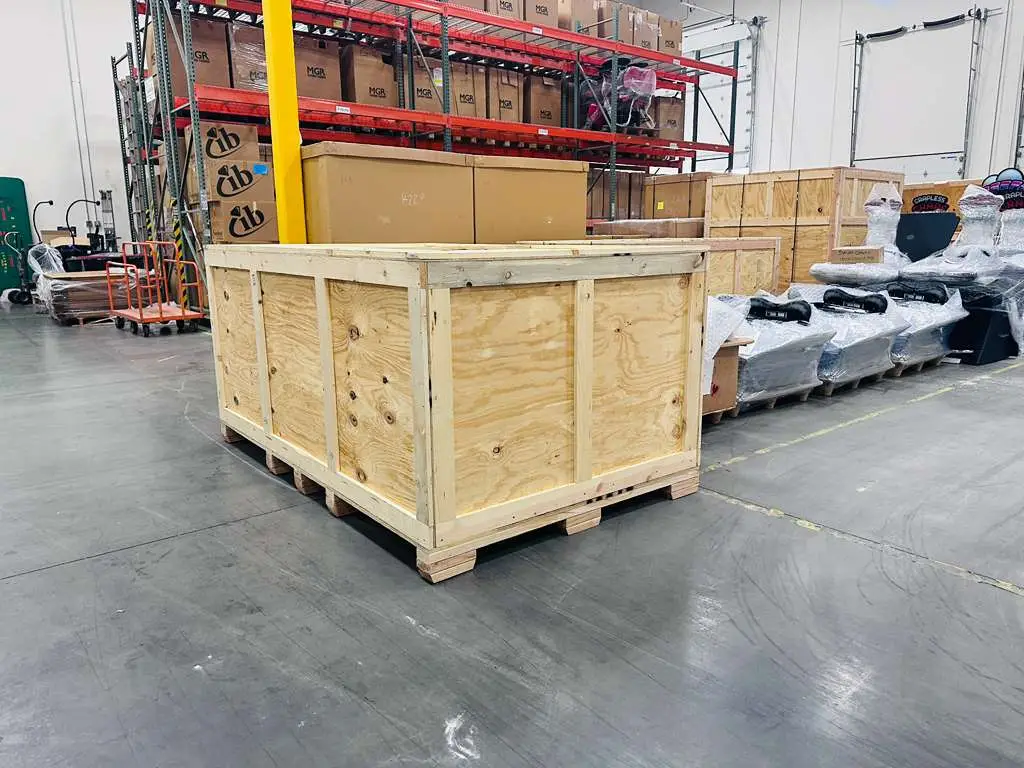
A shipment's packaging requirements come from the item being moved: its weight, dimensions, fragile parts, surface finish, and sensitivity to the environment. Custom crating can be useful when those needs exceed what a standard shipping container can reasonably accommodate.
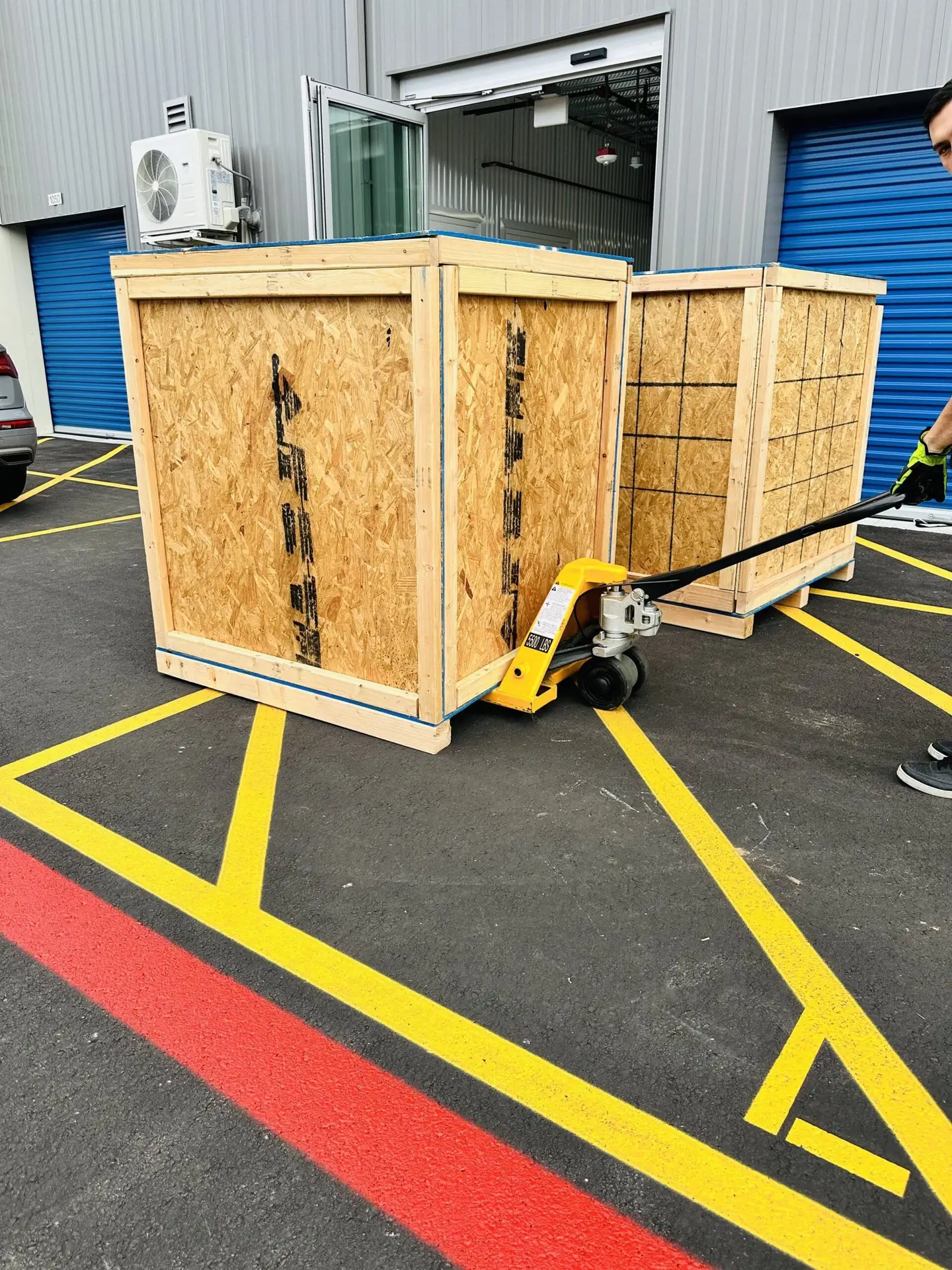
Electronics, fine art, industrial machinery, aerospace components, and medical equipment each bring different challenges. The examples below explain what to discuss with a crate builder, the equipment manufacturer, and the transport provider before a shipment leaves Las Vegas.
Electronics and technology
Servers, instruments, circuit assemblies, and other electronic equipment can be vulnerable to shock, vibration, moisture, and electrostatic discharge. Start with the manufacturer's shipping instructions, including any requirements for disconnecting components, locking moving assemblies, or protecting connectors.
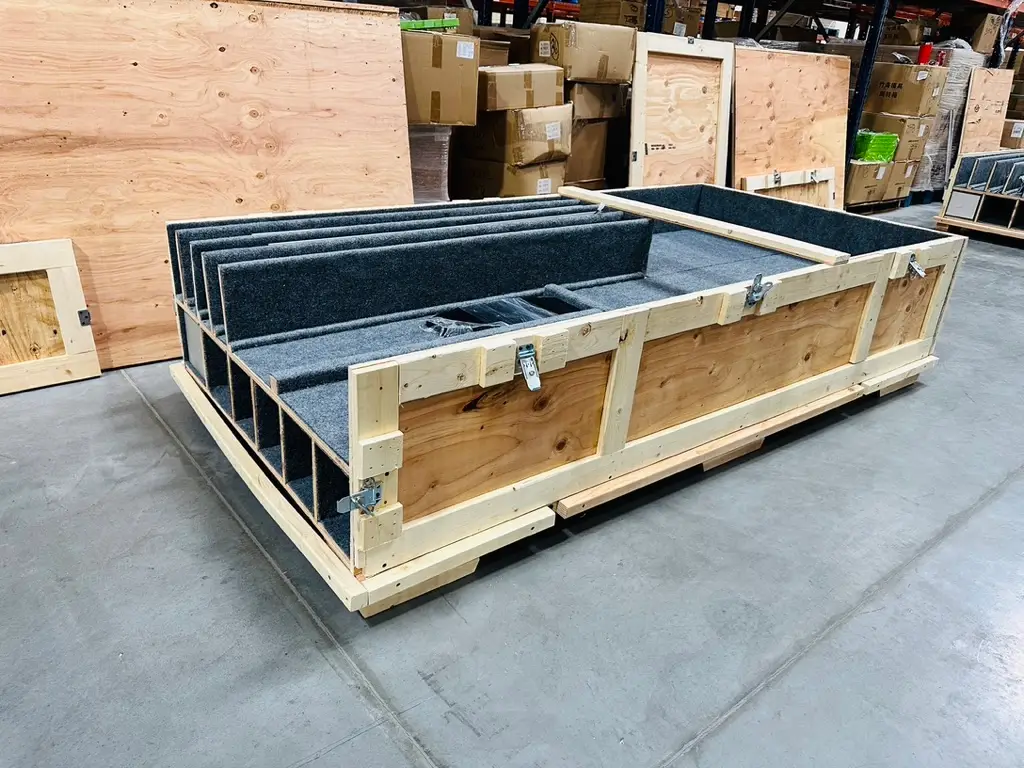
A suitable pack may combine fitted support, load-appropriate cushioning, and electrostatic-discharge protective materials where the device requires them. Loose accessories need separate compartments so they cannot damage screens, housings, or controls. Cushioning must support the unit without applying pressure to vulnerable surfaces.
For repeat shipments, ask whether the product and package should undergo a transport test suited to the actual distribution route. ISTA explains the different purposes of its test procedures, including screening and transport-hazard simulation. A generic statement that a crate is “tested” does not identify which product, package, or test was evaluated.
If a device contains batteries or another regulated material, disclose it before booking transport. Air-cargo requirements need separate review; the FAA's shipper resources are a starting point for identifying dangerous-goods obligations.
Fine art and collectibles
Paintings, sculptures, antiques, and collectibles need support that respects both their shape and their condition. Surface protection appropriate for a metal machine may be unsuitable for a delicate finish or an unstable artwork. Arrange a condition assessment and consult a conservator when the object's materials or condition call for one.
A fitted crate can incorporate supports, suitable cushioning, and an opening sequence that reduces unnecessary handling. Keep packing materials away from vulnerable surfaces unless a qualified art-handling plan permits direct contact. Photograph the object before packing and make unpacking instructions available to the recipient.
The Canadian Conservation Institute's painting guidance emphasizes condition, appropriate wrapping, secure support, and protection suited to the journey. Insulation or a humidity-buffering enclosure may form part of a plan; a monitoring device records conditions but does not control them.
Where temperature-controlled transport or acclimatization is necessary, coordinate it with the shipper and receiving institution. “Museum-quality” is not a substitute for agreed specifications, and no crate can promise that an artwork will retain its condition under every handling scenario.
Industrial machinery and heavy equipment
Large machinery places substantial demands on the crate's base and the equipment used to move it. Provide verified dimensions and weight, the center of gravity where known, and approved lifting and attachment points. Include photographs of projections, control panels, and delicate assemblies.
The packaging plan may call for a skid or reinforced base, blocking and bracing, protective covers, and separate packing for removable components. Weight must transfer through appropriate supports rather than fragile parts of the machine. The loading method and available forklift or lifting equipment influence the design.
- Confirm who will disconnect, prepare, and move the machinery.
- Document the manufacturer's transport-locking and service requirements.
- Identify doorways, loading access, and destination unloading constraints.
- Check the finished package's dimensions and gross weight with the carrier.
- Plan inspection and recommissioning at delivery.
Crate construction and restraint inside the crate are separate from securing the load to a transport vehicle. Ask the carrier to confirm the applicable cargo-securement requirements. Any unusual lift should be planned by qualified personnel using the equipment's approved handling instructions.
Aerospace and aviation components
Avionics, turbine components, precision assemblies, and other aviation parts may have strict manufacturer or customer packaging specifications. These can address contact materials, cleanliness, orientation, allowable movement, environmental exposure, identification, and traceability.
Provide those specifications before a crate is designed. Protective caps, supports, cushioning, and compartment layouts should match the particular part and its approved handling points. Preserve part identification and accompanying records without putting paperwork where it can abrade or contaminate the component.
Ask whether reusable packaging is appropriate for the return or repair cycle. If monitoring is required, agree on the device, placement, limits, and who will review the data. A sensor alone does not prevent a shock or correct a temperature excursion.
Avoid relying on broad labels such as “FAA-compliant crating.” Verify the requirements that apply to the actual component, shipment, and mode of transport. Any dangerous-goods obligations need a separate assessment by the responsible shipper and carrier.
Medical and laboratory equipment
Diagnostic instruments, laboratory devices, and other medical equipment need a shipment plan based on the manufacturer's instructions and the equipment's condition. The plan may involve approved transport restraints, cushioning, protection for sensitive components, or specified environmental limits.
A wooden shipping crate is an outer protective enclosure. It does not sterilize equipment, establish a sterile barrier, or make a device ready for clinical use. Where sterile packaging is required, it must remain part of a validated device-specific system. FDA recognizes ISO 11607-1 for packaging of terminally sterilized medical devices; this is distinct from a general crating service.
Before packing, confirm who handles cleaning or decontamination, any necessary disconnection, and authorization to release the equipment. Tell the carrier about batteries, chemicals, compressed gases, or other shipment restrictions where present. Plan for receiving inspection and any manufacturer-required calibration or recommissioning.
For equipment containing patient information, the owner should address data security separately before it is released. General claims of HIPAA, FDA, or ISO compliance cannot replace checking the actual responsibilities and documented scope of each provider.
Turn industry requirements into a usable crate brief
Across all five industries, a good brief includes the item inventory, dimensions, weight, value for the appropriate shipping documentation, photographs, manufacturer instructions, route, deadline, and unloading arrangements. List the requirements that are mandatory and identify the person who can approve the packing design.
For international movements, review any rules for regulated solid-wood packaging with the supplier and broker. The ISPM 15 standard concerns wood-borne pest risk; separate product, transport, and customs requirements still apply.
Reuse, monitoring, or alternative materials may be worth discussing, but they should serve a defined need. Ask for the relevant specification and evidence rather than assuming that an unfamiliar material or a “smart” crate provides better protection.
PLAN YOUR CRATING
Discuss your shipment with Crates of Las Vegas
Share your equipment or item details, handling requirements, destination, and timeline so the crating requirements can be assessed. Include any manufacturer, customer, or receiving-facility instructions at the start.
Contact Crates of Las Vegas to discuss custom crating for your shipment.
Discuss your shipmentMORE CRATING GUIDES