

International freight
How Custom Crating Improves International Shipping Success
International freight may involve several carriers, terminals, storage periods and handling teams. Custom crating can help protect machinery, instruments, artwork and exhibits through those transitions when the design reflects the item and the route.
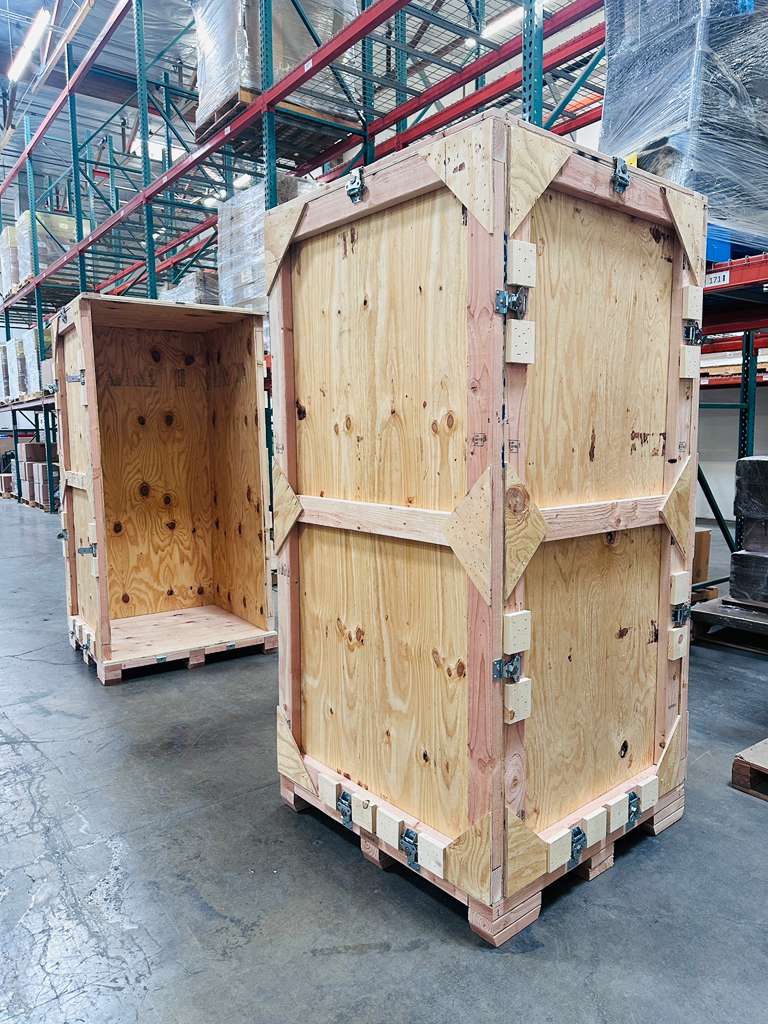
For Las Vegas exporters, successful preparation also includes documentation, destination requirements and receiving arrangements. Packaging is one part of that plan, and it cannot guarantee admission or on-time delivery.
Protection Across Multiple Handling Points
An international packing plan should consider local collection, terminal handling, the main transport leg and final delivery. Useful features may include:
- A base designed for the load and planned handling method
- Framing and panels suitable for the expected stresses
- Internal supports that restrain the item at appropriate points
- Cushioning for fragile components and finished surfaces
- Clear instructions for opening and repacking where inspection is needed
Protection should follow the equipment manufacturer's or owner's requirements. A crate that encloses the item but leaves its weak points unsupported may provide little benefit against movement inside the package.
Meeting Applicable International Requirements
ISPM-15 addresses pest risks from regulated wood packaging. Approved treatment and authorized marking are separate from the crate's structural design. Review the importing country's requirements with the provider or freight forwarder, using APHIS export resources for U.S.-origin packaging.
A treated crate does not approve its contents, replace commercial documents or meet every destination rule. Check whether the cargo needs permits, special declarations or additional handling arrangements.
Confirm the treatment and marking plan before packing. Last-minute changes to solid-wood components should be reviewed rather than assumed to preserve the original packaging's status.
Efficiency, Freight Cost and Reuse
A custom design can avoid unnecessary space and organize the load around available handling equipment. It can also add weight, material cost and preparation time. Obtain the freight quote using the completed package's dimensions and gross weight.
Compare:
- Crate fabrication and internal packing
- Freight charges based on packed size and weight
- Collection, terminal handling and final unloading
- Storage, inspection or repacking arrangements
- Reuse and return transport where applicable
Reusable crates may spread their cost over several trips when the same load returns. Inspect hardware, supports and panels between shipments, and confirm requirements before repairing packaging that will be used internationally.
Tailoring the Design to Complex Cargo
Medical and Laboratory Equipment
Obtain manufacturer transport instructions, identify sensitive assemblies and arrange qualified preparation where required. Packaging does not establish sterility, calibration or readiness for use.
Artwork and Collectibles
Identify vulnerable surfaces, support points and environmental needs with the owner or art professional. Plan safe opening and removal at the destination.
Industrial Machinery
Confirm the true weight, center of gravity, attachment points and loading equipment. Include accessories in the inventory and protect protruding parts.
Trade Show Displays
Organize modular components and hardware for setup and return packing. Use the event's current delivery and outbound instructions as well as the international freight plan.
Reducing Risk Through Clear Handoffs
Good packaging can restrain the item, discourage casual access and make handling requirements easier to understand. It does not eliminate theft, damage or border delays.
Before release:
- Photograph the item and completed packing
- Match each crate to the packing list and shipment reference
- Confirm the receiving contact and unloading capability
- Decide who handles inspection questions and any repacking
- Review carrier liability and any separate cargo coverage with the appropriate provider
A condition record documents the shipment; it does not automatically create insurance coverage or establish that a claim will be paid.
Frequently Asked Questions
Why consider custom crating for international freight?
It can combine a suitable enclosure, load restraint and handling features for a complex route or unusual item.
Will it reduce the shipping cost?
That depends on packed size, weight, handling and reuse. Compare the complete shipment cost rather than assuming a crate is cheaper.
Can a crate accommodate an oversized or fragile item?
Often, but feasibility depends on dimensions, weight, access, transport limits and the required protection.
Is one crate compliant for every destination?
Do not assume so. Review the current route, packaging materials and cargo requirements for each shipment.
Does good crating simplify inspection?
Clear records and an accessible packing design may help. The responsible authorities determine inspection and release.
PLAN YOUR CRATING
Plan Your Export Crate Before Booking Freight
Share your item specifications, destination, transport plan and required delivery window with Crates of Las Vegas. Discuss export crating so the packing scope can be coordinated with your forwarder and receiving team.
Discuss your shipmentMORE CRATING GUIDES



