

Exhibitor planning
Trade Show Crating in Las Vegas: Complete Exhibitor Guide
A trade show shipment has to do more than reach Las Vegas. It must arrive through the correct receiving process, protect the display components and support efficient setup and return packing.
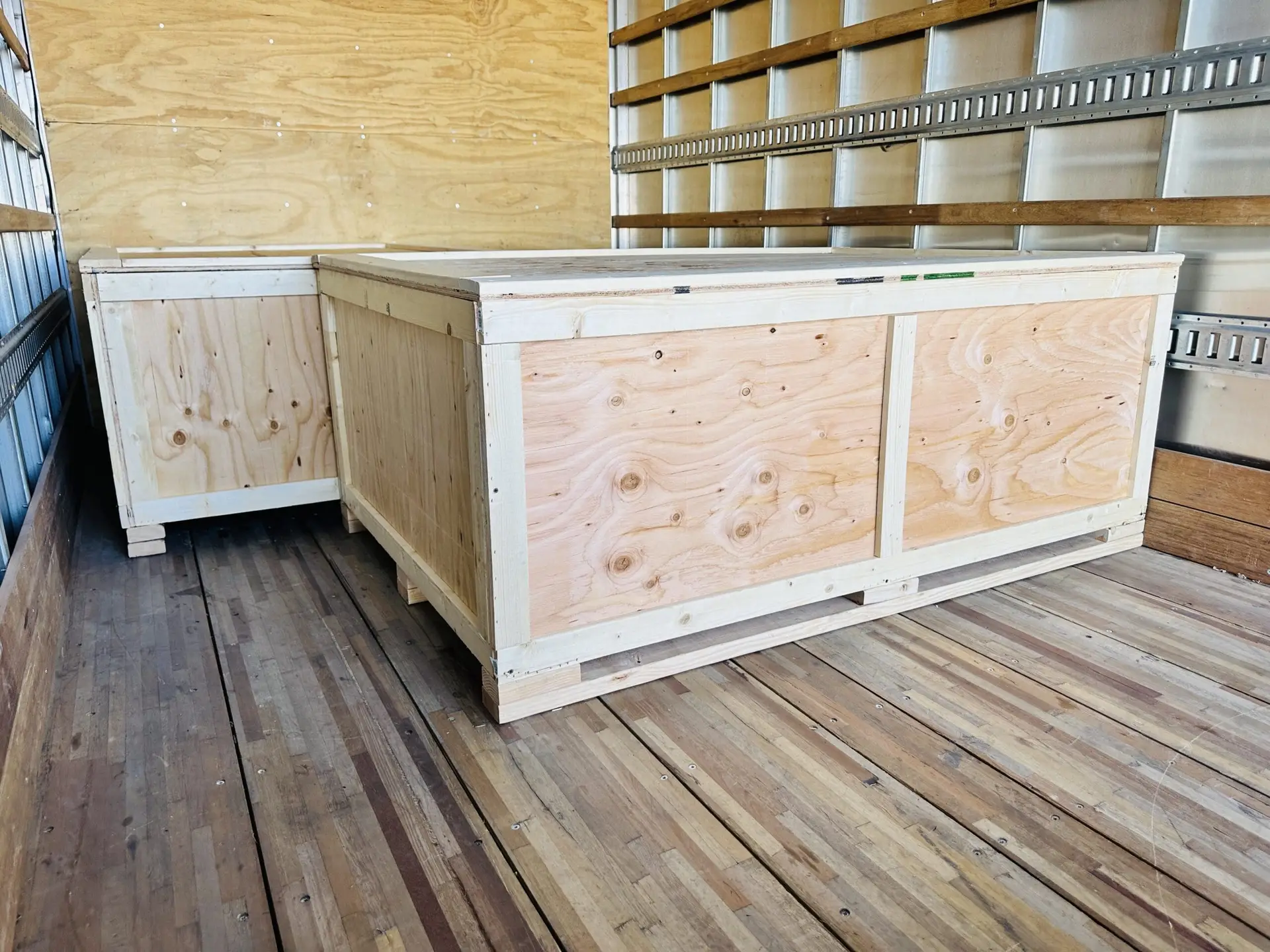
This guide covers crate selection, packing, handling and event coordination for exhibitors moving equipment and displays. Use it alongside the current manual for your show and venue.
Why Trade Show Crating Matters
Display damage can leave a team repairing or replacing parts while it should be preparing the booth. Common packing risks include exposed corners, unsupported screens, components rubbing together and loose hardware that cannot be found during setup.
A suitable crate can:
- Separate delicate and heavy components
- Support irregular shapes and finished panels
- Keep accessories and hardware organized
- Provide a repeatable packing arrangement
- Make the handling and opening sequence clearer
The crate does not guarantee delivery timing. Receiving windows, carrier bookings and show-contractor procedures need separate attention.
Types of Trade Show Crates
Fitted Exhibit Crates
These are designed around the component sizes and required supports. They can be useful for screens, glass, custom finishes and irregular displays.
Reusable Crates
Removable panels, durable hardware and a documented interior arrangement may suit a display that travels regularly. Inspect the crate between shows rather than assuming repeated use is unlimited.
Heavy-Equipment Crates
A substantial exhibit item may need a load-bearing base, appropriate lifting access and restraints that account for its center of gravity. Confirm equipment availability at every handling point.
International Wood Packaging
Where a cross-border route requires it, regulated wood components need appropriate treatment and authorized marking. Travel distance alone does not trigger ISPM-15; a long domestic journey is not automatically an export shipment. Review APHIS wood-packaging guidance.
Packing and Protection Best Practices
Disassemble only as allowed by the display design or manufacturer's instructions. Label each component and retain the assembly sequence.
Before closing a crate:
- Secure heavy components at suitable support points
- Protect finished surfaces from contact and abrasion
- Keep screens, glass and fragile parts separated
- Give hardware and small accessories labeled locations
- Check that the load cannot shift into vulnerable parts
- Photograph the completed packing arrangement
Include an inventory and repacking diagram. These are especially useful when a different team handles move-out.
Avoid treating foam, bubble wrap or padding as interchangeable materials. Select them for the item and load, with suitable protective layers for sensitive finishes.
Handling, Shipping and Event Logistics
Confirm whether the show accepts freight through an advance warehouse, direct-to-show delivery or another specified route. Match the labels, appointments and carrier instructions to that choice.
Check the current manual for:
- Receiving addresses and delivery windows
- Required exhibitor, booth and piece labels
- Material-handling procedures and applicable charges
- Empty-crate storage and return arrangements
- Outbound paperwork and pickup procedures
- Access rules for exhibitors and outside contractors
For example, CES publishes venue-specific exhibitor manuals. Other events have their own instructions. Do not transfer a previous show's dates, prices or contractor rules into the next shipment.
Keep a condition record and packing inventory. Review coverage and claim procedures separately with the carrier or insurer if needed.
Benefits of a Coordinated Crating Plan
The practical benefits are a clearer packing process, organized components and fewer preventable handling problems. A reusable arrangement may also reduce repeated packing work when the exhibit remains unchanged.
Compare the complete costs: fabrication, packing, transport, material handling, storage, return freight and any repairs. A heavier crate or larger footprint can affect charges, so obtain quotes using the final packed dimensions and weight.
Plan move-out at the same time as move-in. The team should know how to close the crate, where the hardware is stored and who is responsible for releasing the outbound shipment.
Frequently Asked Questions
Why is trade show crating important?
It helps protect and organize exhibit components through transport, setup and return packing.
Which crate is best for a display?
Choose according to component fragility, weight, dimensions, handling access and expected number of trips.
Can one crate be used for several shows?
Often, if designed for reuse and inspected before each trip. Changes to the exhibit may require changes to the packing arrangement.
Does long-distance shipping require heat-treated wood?
Distance alone does not determine the requirement. Check whether the packaging and international route are subject to treatment and marking rules.
How should delicate components be protected?
Use appropriate supports and cushioning, prevent contact with heavy parts and provide a clear packing and unpacking sequence.
PLAN YOUR CRATING
Prepare Your Exhibit Crating Plan
Send Crates of Las Vegas your component list, photos, dimensions, weights and current show manual. Request trade show crating information before booking freight so the crate, receiving instructions and return plan can be coordinated.
Discuss your shipmentMORE CRATING GUIDES



