

Export compliance
ISPM-15 vs Non-Compliant Crates: Risks, Costs and Delays
A crate can look well built and still present an international wood-packaging compliance problem. Conversely, a package made from exempt materials is not automatically noncompliant because it has no ISPM-15 mark.
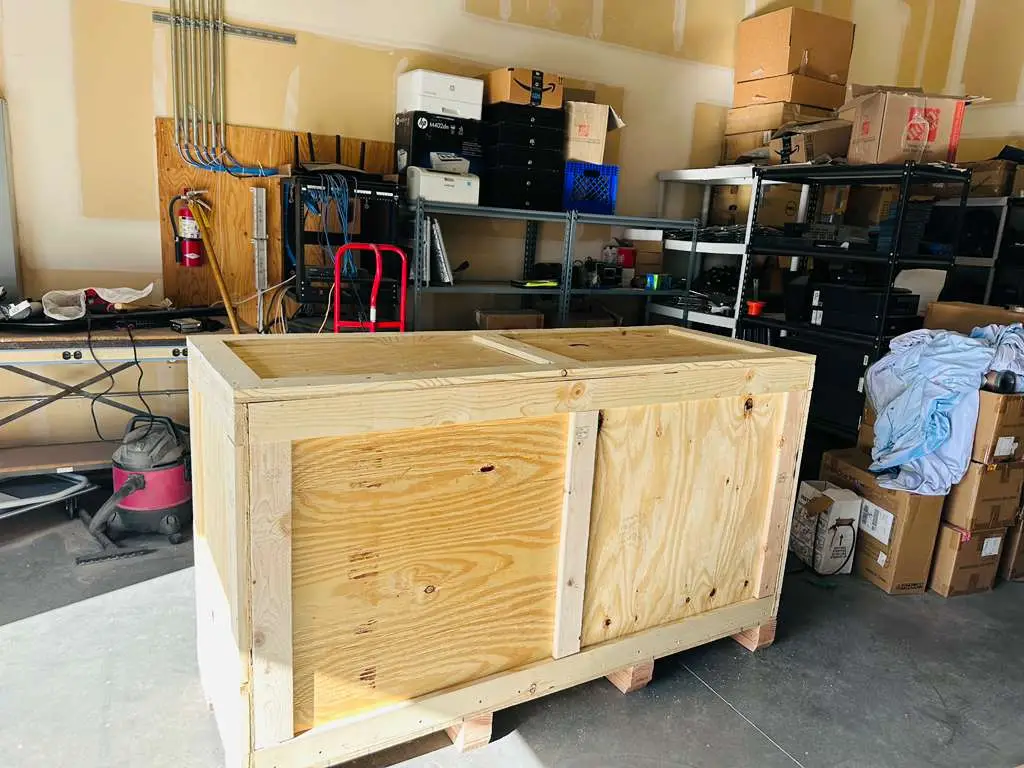
For Las Vegas exporters, the useful comparison is between packaging that meets the applicable route requirements and packaging that does not. Resolve that distinction before collection, when changes are easier to arrange.
What ISPM-15 Compliance Means
ISPM-15 addresses pest risks associated with raw-wood packaging in international trade. Where it applies, compliant packaging requires the appropriate wood preparation, approved treatment and authorized mark. It is a phytosanitary measure, not a structural rating or product-safety approval.
The standard covers regulated components such as crates, pallets and dunnage. Packaging made wholly from qualifying processed wood, such as plywood, is exempt from its provisions; solid-wood framing or skids still need assessment. Consult the IPPC's standard overview and the destination's rules.
A phrase such as “export crate” or “heat-treated lumber” is not enough to establish the completed package's status. Ask the provider to explain the actual materials and authorized marking process.
Risks of Non-Compliant Packaging
An inspection problem can disrupt both the packaging and the cargo's onward movement. The response depends on the destination, the defect and the responsible authority.
For U.S. imports, APHIS guidance explains that noncompliant wood packaging can trigger an Emergency Action Notification. Corrective action may involve supervised destruction of the packaging or re-export, depending on the circumstances.
Do not assume treatment or repacking at the port will be available. Equally, it is inaccurate to state that every noncompliant crate leads to automatic destruction of the goods. The official notice and responsible agencies determine the permitted action.
Fines and Other Financial Consequences
There is no single worldwide ISPM-15 fine or standard charge that applies to every shipment. Financial exposure depends on the country's rules, the violation and the required corrective action.
Even without a quoted penalty, disruption can create additional costs:
- Storage while the shipment is held
- Inspection and handling
- Repacking or replacement packaging, if permitted
- Re-export or other corrective logistics
- Missed installation, production or event commitments
For example, Australia's official guidance states that noncompliant timber packaging may be directed for treatment, export or destruction at the importer's expense. That is destination-specific guidance, not a promise that the same options apply elsewhere.
Have the broker or forwarder confirm the relevant rules. Avoid relying on generic penalty figures in a packing quote.
Delays and Operational Costs
A border hold can require coordination among the exporter, importer, broker, carrier and packaging provider. Condition records, supplier details and photographs of the marks can help those parties identify what was supplied.
Before shipment, decide who will respond to an inspection question and who can authorize any permitted corrective work. Include time for packaging review in the project schedule rather than leaving it until the carrier is booked.
Compliance reduces an avoidable packaging risk, but it does not guarantee faster inspection, release or delivery. Cargo documentation and other import conditions remain separate.
Choosing and Checking the Crate
Use a provider that can explain its role in supplying compliant packaging. The IPPC confirms that mark authorization comes through a national plant protection organization or its mandated organization; it is not a mark that an exporter should create independently.
Useful checks include:
- Identify the destination and any transit-country requirements
- List the solid-wood components, including skids and dunnage
- Confirm the treatment and authorized marking arrangements
- Inspect the supplied packaging and retain clear photographs
- Review repairs or replacement components before international reuse
- Confirm the separate load-support and cushioning design
Heat treatment is not sterilization of the cargo, a guarantee against future infestation or an environmental certification.
Frequently Asked Questions
Why does ISPM-15 matter?
It addresses the risk of moving wood pests with regulated packaging across borders. It does not establish the strength of the crate.
What happens if the packaging does not comply?
The destination authority determines the response. Holds, corrective action and re-export can cause significant disruption.
Is heat-treated wood automatically enough?
No. The complete packaging must satisfy applicable preparation, treatment and authorized marking requirements.
Which cargo types require compliant crates?
Applicability depends on the packaging and route, rather than whether the goods are medical, fragile or high-value.
How can a Las Vegas exporter reduce the risk?
Confirm the destination requirements, work with an appropriately authorized packaging provider and check the completed packaging before dispatch.
PLAN YOUR CRATING
Review Your Export Packaging Before Shipping
Share your destination, item specifications and expected route with Crates of Las Vegas. Discuss export crating requirements early and coordinate the final compliance review with your forwarder or broker.
Discuss your shipmentMORE CRATING GUIDES



