Top 5 Uses for Custom Wooden Crates in Las Vegas Homes
Custom wooden crates give Las Vegas homeowners dependable, made-to-fit protection and tidy, long-lasting storage for valuable pieces, seasonal décor, and everyday household items. This guide shows how custom crates work, why local homeowners choose them, and practical ways to use wooden crating for art, antiques, electronics, seasonal storage, and home organization. If you live here and need in-home crating, Crates of Las Vegas is a family-owned team that builds on-site and in-home, offers white-glove pickup, ISPM-15 options for international moves, and uses eco-conscious materials suited to residential needs. You’ll find clear explanations of crate design, five hands-on home use cases with tips you can act on today, how local in-home crating works, a materials comparison for sustainability, and a step-by-step guide to requesting a custom quote. We also weave practical search terms like custom wooden crates Las Vegas, in-home crating Las Vegas, and seasonal storage crates Las Vegas into advice homeowners can use right away.
Why Do Las Vegas Homeowners Choose Custom Wooden Crates?
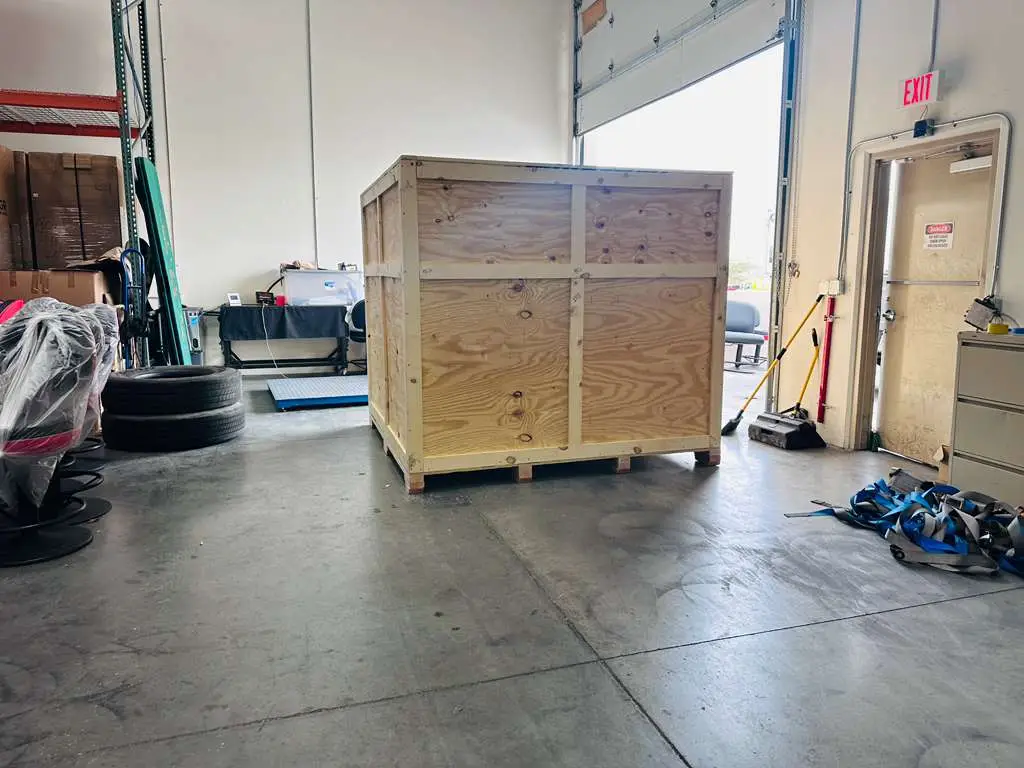
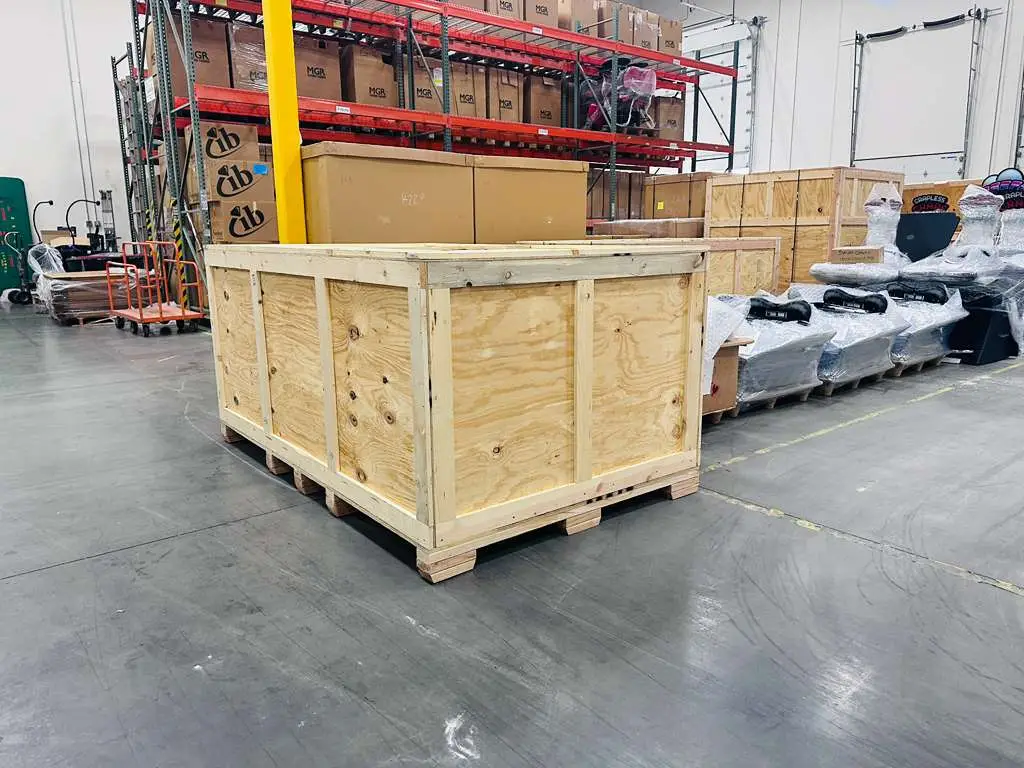
Homeowners pick custom wooden crates because they combine strong construction, fitted internal supports, and environmental protections to lower the risk of damage during storage, moves or renovations. A proper crate is a fitted shell—usually plywood or hardwood—paired with blocking, foam lining and bracing that hold an item steady and isolate it from shock, vibration and moisture. The result is fewer damaged pieces, reusable storage that can double as decor, and clear handling instructions that simplify shipping or storage. Those benefits matter in Las Vegas, where big temperature swings and dry air make climate-aware packing and durable, stackable solutions especially useful. Below are the practical advantages and homeowner examples that show why custom crating is a smart residential investment.
Custom wooden crates deliver four key homeowner advantages:
- Protection: Purpose-built bracing and foam reduce shock and vibration for fragile items.
- Customization: Exact measurements and removable framing accommodate odd shapes and antiques.
- Versatility: Crates work for shipping, long-term storage, or repurposing as furniture.
- Convenience: On-site assembly and white-glove handling cut down on moving and homeowner stress.
Those advantages protect your investments and simplify logistics—next we explain how crates achieve near–museum-grade protection.
How Do Custom Wooden Crates Provide Unmatched Protection for Valuables?
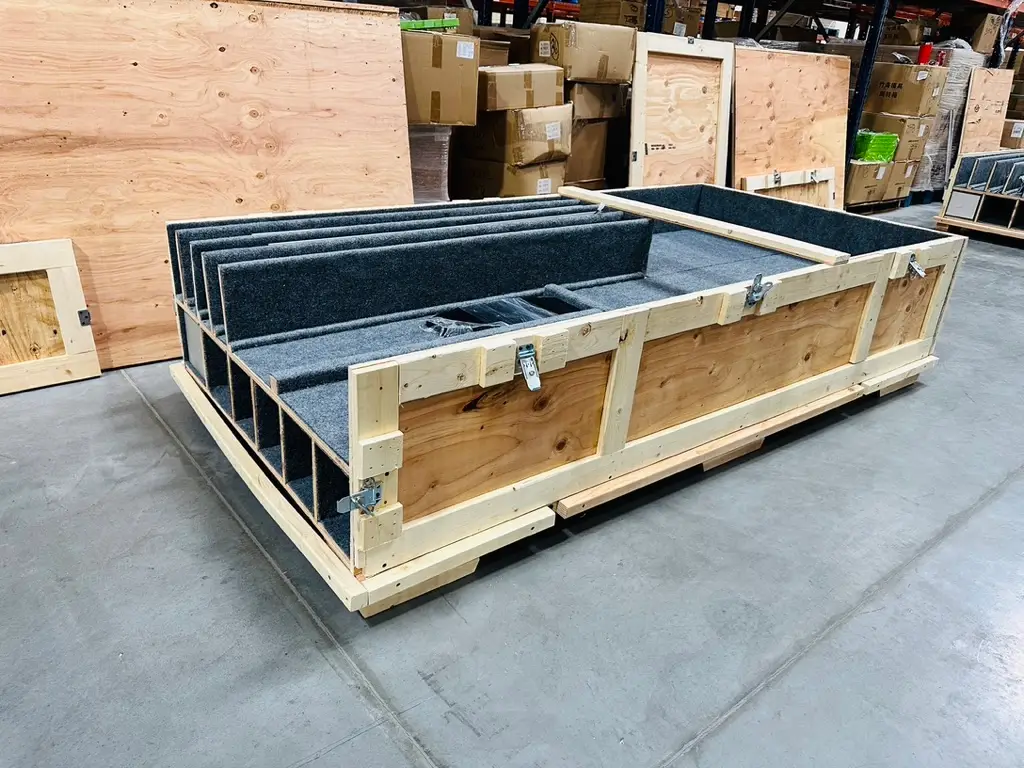
Custom crates protect items through layers: a rigid exterior, internal blocking and bracing, plus tailored cushioning that together isolate objects from mechanical and environmental stress. Hardwood panels and skids take the hit on impact, while foam liners and custom supports stop tiny shifts and point loads that lead to cracks or scratches. For paintings and sculptures, crate designs often include shock‑isolating mounts and moisture barriers to guard against indoor humidity swings common in desert climates. The engineering behind these solutions translates to fewer insurance claims and less restoration work after moves or home projects.
Quick checklist to prepare an item for crating:
- Measure height, width and depth so the crate fits snugly.
- Note weight and fragile points so bracing goes where it matters most.
- Mention environmental concerns (temperature, humidity) to add barriers or desiccants if needed.
These simple steps help the crate’s internal systems perform as intended and show why customization matters for irregular or delicate pieces.
What Makes Custom Crates Tailored for Unique Home Items?
Tailoring starts with precise measurements and a build plan that maps an item’s shape to internal supports and exterior stiffness—balancing stability with ease of handling. Crate builders use templates and sketches to place blocking and foam so odd-shaped antiques or sculptures are supported at structural points instead of decorative surfaces. Material choice—hardwood for heavy, load-bearing crates or high-grade plywood for lighter, stackable units—matches the item’s fragility and weight. For homeowners, this tailored approach often allows on-site assembly that avoids moving the piece through tight spaces and lowers the chance of accidental damage.
Many custom supports are removable, so crates can be reused for storage or repurposed around the home—adding lifecycle value beyond the crate’s initial job and supporting the sustainability strategies we cover later.
What Are the Top 5 Uses for Custom Wooden Crates in Las Vegas Homes?
Custom wooden crates have five common residential uses that blend protection, efficient storage and creative reuse—each offering clear homeowner benefits. Local builders can size and finish crates for indoor storage or shipping, and you can request quotes to match exact needs. The use cases below include item-specific packing notes, handling tips, and small ideas for reusing the crate after its primary life ends.
Here’s a quick comparison of the five main uses, matching typical home items to protection features and common scenarios.
| Item Category | Typical Home Item | Protection Features | Typical Use Case |
|---|---|---|---|
| Fine Art | Paintings, sculptures | Museum-grade blocking, foam, climate barriers | In-home display protection, temporary storage during renovation |
| Furniture & Antiques | Sofas, heirloom chests | Load-bearing bracing, anti-scratch liners, skids | Moves, renovation protection, long-term storage |
| Sensitive Electronics | AV systems, servers | Static-dissipative packing, shock mounts, climate control | Transport for repair, seasonal removal, home office relocation |
| Seasonal Storage | Holiday decor, linens | Stackable crate design, sealed lids, labeled panels | Off-season storage, attic or garage organization |
| Decor & Organization | Shelving, repurposed crates | Decorative finishing, cutouts for shelves | Home furniture, shelving, coffee table conversion |
This chart helps you pick the right crate and shows how protection features match common home needs. The sections below unpack each use case with practical recommendations and homeowner checklists.
1. How Do Custom Crates Safeguard Fine Art and Sculptures at Home?
Fine art crating uses museum‑grade materials and methods—rigid outer walls, multi‑point internal blocking, closed‑cell foam and moisture barriers—to protect pieces from mechanical stress and environmental change. Crates eliminate movement and isolate vibration using mounts or suspension systems that support artwork at its structural points. Condition reports and labeled handling instructions travel with the crate to preserve provenance and simplify insurance claims. Homeowners should photograph items and record serial numbers or provenance details before crating to speed any future claims or shipping steps.
For high‑value pieces, add a climate‑monitor insert and desiccant packs to help manage indoor humidity in Las Vegas. Those simple additions reduce cracking, warping and surface degradation over time.
2. Why Use Custom Crates for Luxury Furniture and Antique Storage or Transport?
Luxury furniture and antiques need crates that distribute heavy loads via internal bracing, reinforced skids and anti‑scratch liners to protect finishes while moving or stacking. Designs often include access panels for mechanical lifts and tie‑down points for secure transport. For heirlooms, pest‑resistant construction and moisture controls help prevent wood‑boring insects and humidity damage during long‑term storage. When planning transport or stacking, request reinforced bases and specify load capacity so the crate is built to handle the job.
Clear labeling and orientation marks also protect finishes by preventing improper handling—helpful when movers or storage staff first see the crate.
3. How Can Custom Crates Protect Sensitive Electronics and Home Equipment?
Electronics crating emphasizes electrostatic discharge (ESD) protection, vibration isolation and moisture control, using static‑dissipative liners, custom mounts and sealed enclosures to protect circuit boards and optical components. Mounting frames lock devices in place to avoid shock‑induced misalignment, while damping cushions reduce resonance in transit. Label cables, serial numbers and operating ranges to cut teardown time on arrival. If you’re moving home‑theater systems, servers or medical equipment, include weight and fragility details when requesting a quote so internal mounts are sized correctly.
Placing a simple reassembly checklist and small parts bag inside the crate speeds setup and reduces handling errors after delivery.
4. What Are the Benefits of Using Wooden Crates for Seasonal and Long-Term Home Storage?
Seasonal crates are built for stackability, durability and protection against dust and pests—often with ventilated options and sealed lids to balance airflow. Designs can include removable dividers for ornaments, padded zones for glass pieces and reinforced corners for repeated stacking. In Las Vegas’s dry climate, wooden crates can offer a more stable environment than plastic bins that trap heat; adding breathable liners and desiccants helps protect fabrics. Crates also work with labeling systems or RFID panels for household inventory management.
Repurposing these crates as under‑bed storage or closet organizers extends their life and cuts single‑use waste—an easy step toward more sustainable home practices.
5. How Do Custom Wooden Crates Enhance Home Decor and Organization?
Custom crates can be finished with stains, paint or hardware and converted into functional furniture—shelving, coffee tables or storage benches—that suit industrial or rustic interiors. Decorative finishing reduces the chance of disposal after use and highlights reusability as a design plus. Crates sized for entryways, closets or living areas hide clutter while staying accessible, and modular crate systems let you reconfigure storage as needs change. Simple DIY additions—casters, cushion tops or interior shelving—turn a protective crate into a long‑term household asset.
Use crate interiors as organized zones for hobby supplies, seasonal textiles or archived paperwork to keep living spaces tidy and get more value from your crating investment.
How Does Crates of Las Vegas Deliver Specialized In-Home Crating Services?
Crates of Las Vegas offers local, family‑run in‑home and on‑site crating that minimizes item movement by building crates where items live, provides white‑glove pickup and delivery, and applies ISPM‑15 treatments when international shipment requires it. Our process usually includes an on‑site assessment, a tailored crate design, in‑home assembly to avoid moving large pieces through doors, and optional white‑glove transport and reassembly. Those steps cut handling, lower breakage risk and leave homeowners with condition reports and documentation for peace of mind. To get a precise plan, request an on‑site assessment that captures measurements, weight and handling notes.
| Service Component | Benefit to Homeowner | Homeowner Impact |
|---|---|---|
| On-site measurement & assembly | Tailored fit without moving items | Less handling and lower damage risk |
| White-glove pickup & delivery | Full-service handling and setup | Convenient transition with professional care |
| ISPM-15 certification | Compliance for international moves | Avoids customs delays and rework |
| In-home crating | Crates built where items reside | Eliminates tight-move hazards and access issues |
The table above shows how specific services translate into real homeowner benefits. The next sections explain on‑site assembly and ISPM‑15 in plain terms.
What Are the Advantages of On-Site and In-Home Crate Assembly?
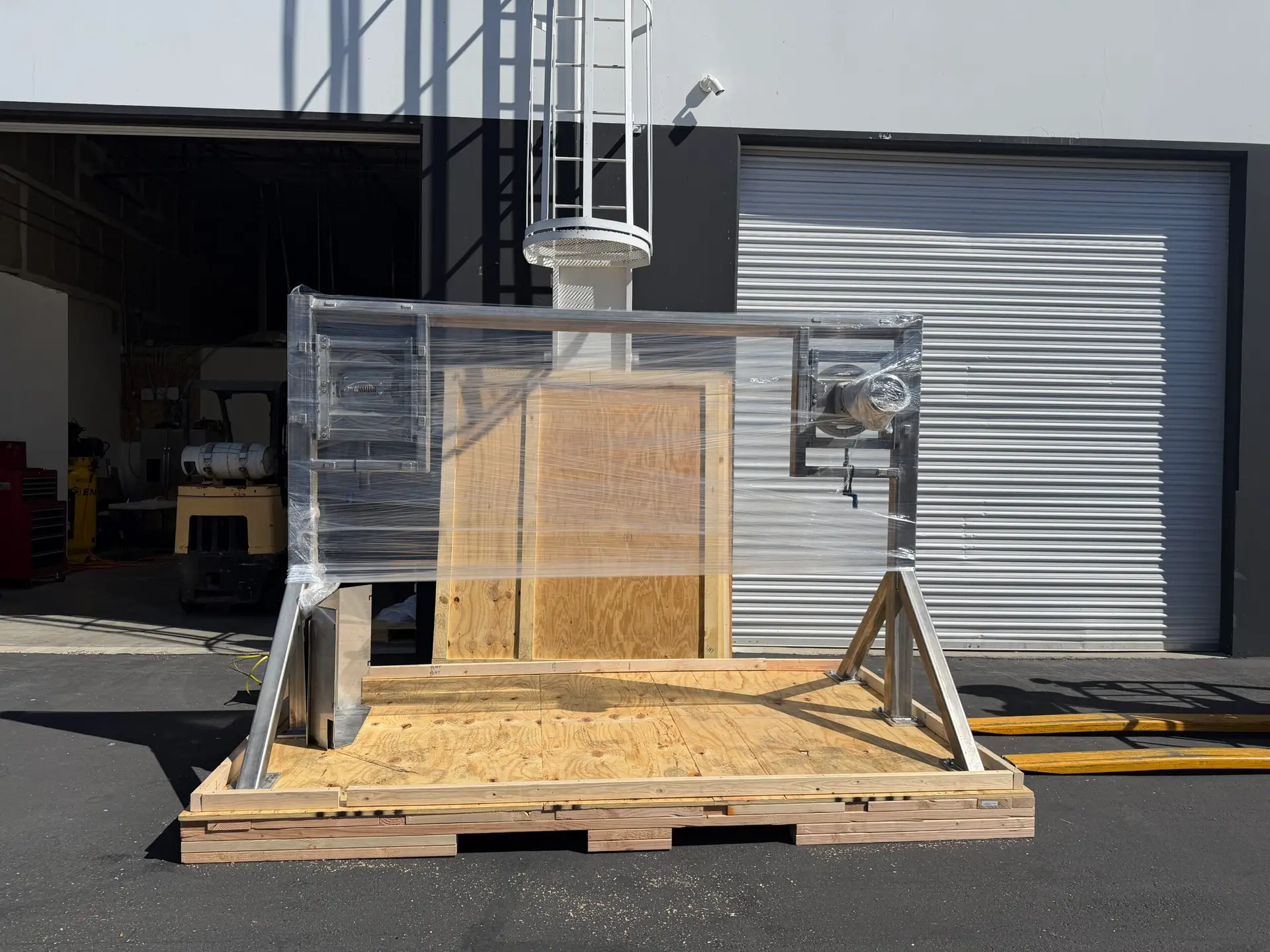
On‑site assembly reduces handling by building the crate around the item where it already sits—no need to move heavy or fragile pieces through narrow halls or down stairs. Fewer touchpoints mean a lower chance of drops, scrapes or knocks while preparing for transport. Crews arrive with material kits and finish the crate in place to speed pickup or storage; we usually coordinate timing to minimize disruption. Homeowners can help by clearing a work area and protecting floors to make the job quicker and safer.
Because the item stays in its familiar spot during crating, the team can access structural contact points and install bracing exactly where it will protect the object best.
How Does ISPM-15 Certification Ensure Safe International Shipping from Homes?
ISPM‑15 is the heat‑treatment or fumigation standard applied to wooden packaging to stop the spread of wood‑boring pests across borders; certified crates carry a visible treatment stamp. For homeowners shipping overseas, using ISPM‑15 crates avoids quarantine holds, repackaging or refused entry in many countries. Certified processes use treated wood or approved alternatives while keeping the crate strong and fit for valuable items. When planning international moves, tell the crate builder your destination so they can prepare compliant packaging and paperwork.
Choosing certified crates smooths customs clearance and cuts the risk of costly delays or forced repackaging at the destination port.
How Are Custom Wooden Crates Eco-Friendly and Sustainable for Las Vegas Homes?
Wooden crates can be more sustainable than single‑use packaging because wood is biodegradable, many crate designs are reusable, and reclaimed or responsibly sourced materials lower lifecycle impact. Choosing hardwood or high‑quality plywood for longevity allows a crate to serve multiple roles—from transport protection to home furniture—reducing the need for replacements. Local builders can use reclaimed timbers or FSC‑equivalent sourcing to lower embodied carbon, and planning for crate repurposing at the design stage maximizes second‑life value. Those choices keep materials out of landfill while delivering durable, attractive storage solutions for the home.
| Material | Sustainability Attribute | Practical Home Benefit |
|---|---|---|
| Hardwood | High durability and reusability | Long-term reuse as furniture or storage |
| Plywood | Efficient use of wood layers and lower cost | Lightweight, stackable storage solutions |
| Treated wood (ISPM-15) | Compliant for international transport | Avoids quarantine while preserving crate life |
Use this comparison to pick materials that balance durability, environmental impact and intended reuse—next we explain why hardwood is often the preferred choice for long‑term residential crates.
Why Is Hardwood Preferred for Durable and Reusable Home Crates?
Hardwood is a go‑to for heavy or heirloom items because it offers superior strength, resists deformation and finishes well, so crates can become attractive interior pieces. The upfront cost is higher, but hardwood crates pay back through repeated reuse as storage or furniture. For antiques and heavy furniture, hardwood gives load‑bearing capacity and dimensional stability that plywood can’t always match. Homeowners focused on longevity and sustainability often choose hardwood for primary crates that will see multiple life cycles inside the home.
When you want a finished look, hardwood accepts stains and hardware better than many plywoods, smoothing the transition from protective crate to functional home piece.
How Do Eco-Friendly Practices Benefit Residential Crating Solutions?
Eco practices—using reclaimed wood, designing crates for modular reuse, or choosing low‑VOC finishes—reduce landfill waste and the carbon footprint of household moves. Reclaimed materials cut demand for new lumber while still delivering structural performance when graded and treated properly. Designing crates with removable panels and hardware makes conversion into shelving or benches easier, increasing the odds of reuse inside the home. Homeowners who plan for second‑life uses get more value from crating investments while supporting more sustainable consumption.
Simple homeowner requests—ask for reclaimed materials or plan a crate’s second life—can significantly lower environmental impact without sacrificing protection or convenience.
How Can Las Vegas Homeowners Get Started with Custom Wooden Crates?
Getting started is simple: gather measurements and photos, describe the item’s fragility and destination, and request an on‑site assessment or quote so a provider can capture accurate requirements and pricing. Quotes depend on materials, in‑home assembly labor, handling complexity and any certification like ISPM‑15 for international shipments. If you want a turnkey experience, schedule an on‑site visit so the team can evaluate access, suggest interior supports and outline timing for build, pickup and delivery. When preparing, include item dimensions, approximate weight, photos, destination (local storage, long‑term storage or international shipping) and any condition notes that affect bracing needs.
Follow this step‑by‑step guide to request a custom crating quote.
- Gather Measurements and Photos: Record dimensions, weight estimates and clear photos from multiple angles.
- Describe Handling Needs: Note fragility, value and any special reassembly or climate requirements.
- Request On-Site Assessment: Book an in‑home evaluation to capture access constraints and finalize the design.
- Approve Quote and Schedule Service: Confirm timing for build, pickup, delivery and any certification needs.
What Is the Process to Request a Custom Crating Quote in Las Vegas?
To get a quote, provide measurements, photos and destination details so a provider can estimate materials and labor and determine whether ISPM‑15 treatment or special handling is required. An on‑site assessment confirms access, suggests optimal crate orientation and lets the team plan for floor protection and workspace during in‑home assembly. Quote turnaround depends on complexity but should include a clear breakdown of materials, labor hours, optional white‑glove handling and certification costs. Homeowners who supply detailed information up front typically receive faster, more accurate estimates with fewer revisions.
Including an estimated insurance value and any required documents up front helps the crating provider prepare condition reports and labeling for smoother transit or storage.
What Should Homeowners Expect During the Custom Crating Experience?
Expect a scheduled arrival window, protective measures for floors and paths, step‑by‑step assembly of internal supports and photographic documentation of the item and completed crate for your records. Crating teams usually provide on‑site time estimates and will ask that you clear space around the item for safe, efficient assembly. After the crate is built, you’ll receive tags, handling instructions and condition photos to keep for insurance or future reference. Delivery options can include white‑glove setup and reassembly at your destination or secure pickup for local storage or transport.
- Prepare the space for on‑site assembly by clearing walkways and protecting floors.
- Expect photographic documentation showing pre‑crate condition and the completed crate.
- Keep crate tags and paperwork for insurance and future handling instructions.
Frequently Asked Questions
1. What types of items are best suited for custom wooden crates?
Custom wooden crates suit a wide range of items: fine art, antiques, luxury furniture, sensitive electronics and seasonal goods. Each category benefits from tailored protections—moisture barriers for artwork, load‑bearing bracing for furniture, or static‑dissipative materials for electronics. Crates also work well for organizing household items, so they’re versatile for both storage and transport. Assess the specific needs of each piece to ensure the best protection and usability.
2. How can homeowners ensure the longevity of their custom wooden crates?
To prolong a crate’s life, store it in a climate‑controlled spot away from direct sunlight and sources of moisture. Inspect crates periodically for wear or damage, and when not in use repurpose them for storage or décor to extend their service life. Applying protective finishes can help maintain the wood’s appearance and durability, keeping crates functional and attractive for years.
3. Are there any specific maintenance tips for wooden crates?
Keep crates clean by dusting regularly and using a damp cloth for deeper cleaning—avoid harsh chemicals that can harm the wood. Check for pests or mold, especially in humid conditions, and address issues promptly. Applying a wood conditioner or sealant protects the surface and enhances durability. These simple steps keep crates in good condition for long‑term use.
4. Can custom wooden crates be used for international shipping?
Yes—custom wooden crates can be used for international shipping when built to ISPM‑15 standards. ISPM‑15 ensures the wood has been treated to prevent pest spread across borders. Discuss your destination’s rules with the crating provider so they can guarantee compliance. Proper labeling and documentation are also important for smooth customs clearance and to avoid delays or extra costs.
5. What are the environmental benefits of using custom wooden crates?
Custom wooden crates offer environmental benefits through reusability and biodegradability. Unlike single‑use packaging, crates can be repurposed around the home, reducing waste. Many crating services use reclaimed or sustainably sourced wood, lowering the carbon footprint of new lumber production. Choosing eco‑friendly materials and practices lets homeowners support sustainable consumption while enjoying durable, versatile storage solutions.
6. How do I choose the right size for my custom wooden crate?
Pick the right size by measuring the item’s height, width and depth and allowing space for protective padding without excessive movement. Account for irregular shapes and any additional supports needed for fragile points. Consulting a crating professional helps ensure the crate’s dimensions and design meet your specific needs.
7. What should I include in my request for a custom crating quote?
When requesting a quote, include item measurements, weight estimates and photos from multiple angles. Describe special handling needs such as fragility or climate requirements, and note if ISPM‑15 certification is needed for international shipping. Providing detailed information up front helps the crating provider give an accurate estimate and design a crate that meets your requirements.
Conclusion
Custom wooden crates give Las Vegas homeowners tailored protection, flexible storage and sustainable options that improve both organization and décor. Choosing the right crating service helps safeguard your valuables during moves or storage while supporting eco‑friendly practices. Ready to protect your belongings? Explore our custom crating options and get a quote to see how a made‑to‑fit crate can simplify your next move, renovation or storage project.