

Crates of Las Vegas Journal
Wooden Crates or Cardboard: Match the Packaging to the Shipment
Wooden crates and corrugated packaging have different strengths, and neither material is the right answer for every shipment. The useful choice depends on the load, protective interior, handling route and expected number of trips.
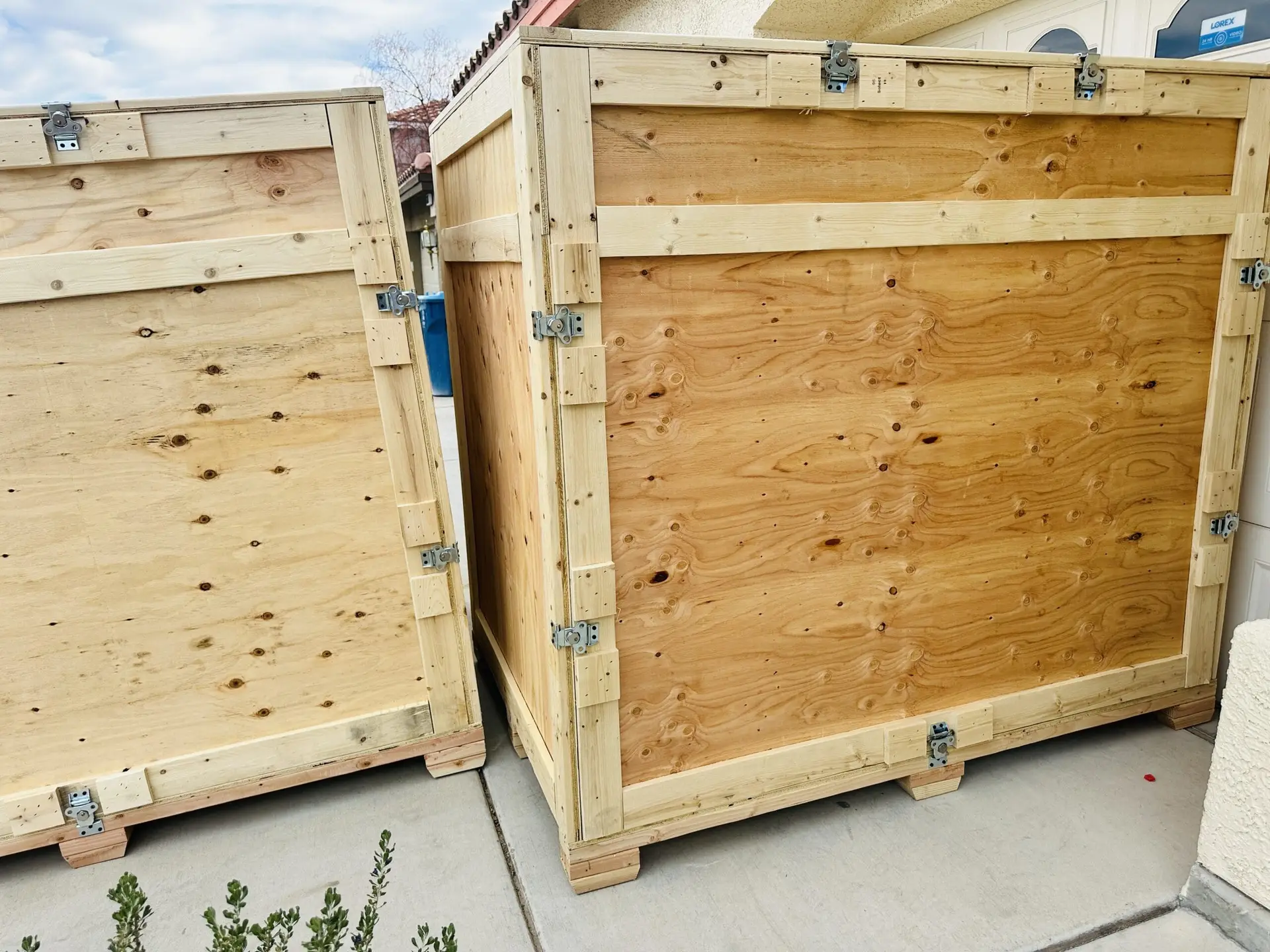
For Las Vegas artwork, equipment or exhibit shipments, compare complete packaging designs. A wooden enclosure may provide useful support and access features, while a correctly specified corrugated system can be suitable for other loads.
Compare the structure against the actual load
Heavy or irregular equipment may need a base and restraints that are difficult to achieve with the proposed carton alone. A custom crate can be designed around those requirements when its framing, fasteners and handling provisions are appropriate.
Cardboard packaging also varies in construction and rating. Avoid assuming all cartons are equivalent or that all wooden crates can be stacked. Ask what each proposed system is designed to support and which handling conditions it permits.
Compare the protective interior
Both options need a method of supporting and restraining the item. Provide dimensions, weight and safe contact points, including fragile frames, projections or finished surfaces. Leave room for the protective materials the design requires.
Foam, dividers and bracing should be selected for the load and its vulnerabilities. A wooden exterior cannot compensate for an unsuitable interior, and a close fit should not put pressure on delicate areas. Include instructions for unloading and removal in the comparison.
Define environmental protection separately
Moisture and temperature concerns depend on the materials, construction and route. Ordinary wood should not be described as waterproof, and a crate’s export heat treatment does not create a climate-control system.
Discuss exposure during transport, waiting periods and storage. If the contents require controlled conditions, agree how those conditions will be maintained beyond the package itself. Barriers and insulation may be useful components when appropriately specified, but their presence alone does not guarantee stable conditions.
Correctly apply export wood rules
ISPM 15 concerns regulated wood packaging. It does not require an international shipment to use a wooden crate instead of cardboard. A carton may be suitable, while a solid-wood pallet or dunnage used with it may still require treatment and marking.
APHIS export guidance explains the need to check destination requirements. Certain processed-wood packaging is exempt under the standard. Confirm the complete materials and route rather than treating a wood-treatment mark as universal approval for the shipment.
Compare realistic reuse and total cost
A wooden crate may serve multiple trips if it is recovered, inspected and remains suitable. Corrugated packaging is not inherently limited to a single use, though its condition and intended application matter. Evaluate both options based on the planned cycle.
Include packed weight, freight quotes, storage, return transport and repairs. Environmental benefits depend on actual material use and recovery. A crate that is never retrieved should not be credited with hypothetical reuse savings.
PLAN YOUR CRATING
Compare packaging for your item
Send Crates of Las Vegas the item specifications, photographs, route and repeat-use plans. Ask what a custom wooden crate would contribute so you can compare it fairly with other suitable packaging options.
Discuss Your Crating ProjectMORE CRATING GUIDES




