Crates of Las Vegas Journal
Reusable Crates for Las Vegas Businesses: When They Make Sense
A reusable crate is most useful when there is a realistic plan to bring it back, store it and pack it correctly again. Businesses moving the same display, artwork or equipment repeatedly can evaluate those conditions before investing in a multiple-trip design.
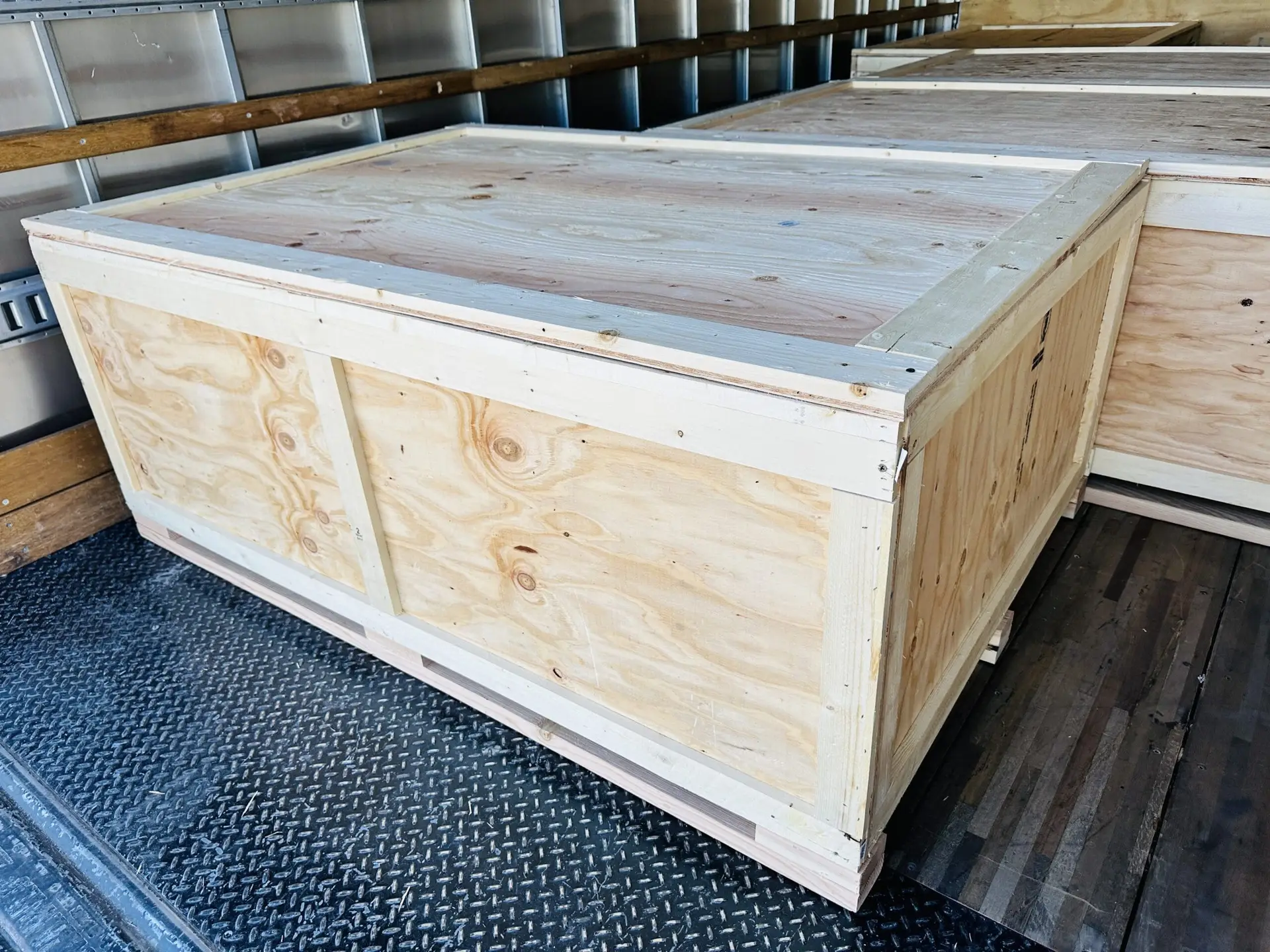
The first question is the expected use. A crate that completes several suitable journeys may offer value, while one that is expensive to recover or rarely reused may not justify the added cost.
Compare the cost over the expected trips
Look beyond the construction price. Include return freight, storage, inspections, repairs and staff time for repacking. Then compare that total with suitable one-use packaging for the same number of shipments.
Use a realistic trip forecast rather than the maximum life someone hopes to achieve. There is no single payback period that applies to every crate. Changed equipment, an altered exhibit or a lost return shipment can affect the calculation.
Customize for the item and the repeat workflow
An art crate may need a stable interior arrangement for one particular work. An electronics kit may benefit from labeled accessory locations. Machinery can require supports and handling provisions tied to the equipment’s approved contact points.
Discuss how often the crate will be opened, who will pack it and which tools they can use. Reusable closures and replaceable interior pieces may be practical, but each feature should suit the item’s protection requirements and the people handling it.
Make the sustainability claim measurable
The EPA’s waste hierarchy favors reduction and reuse before recycling. A reusable crate supports that approach when it actually replaces new packaging and remains fit for purpose.
Track the trips completed and materials replaced. Consider the empty return route and local recovery options before making carbon or waste-reduction claims. Wood, foam, coatings and hardware may have different disposal or recycling requirements, so confirm acceptance with the intended facility.
Inspect protection before every trip
Repeated use can loosen closures, damage panels or change the condition of cushioning. Record what should be checked and who is responsible. A package that worked once should not be assumed to provide the same protection after damage or alteration.
- Inspect the base, panels, fasteners and closures.
- Check the item supports and cushioning against the packing plan.
- Confirm the load has not changed in size, weight or arrangement.
- Remove obsolete transport labels without obscuring required marks.
- Refer damaged or modified packaging for assessment before use.
For international shipments, ask whether repairs or replacement wood affect treatment and marking requirements.
Plan storage and future changes
Keep the crate and its removable parts together in appropriate storage conditions. Preserve the packing diagram, inventory and opening instructions where the next team can find them.
If a growing business expects to change its display or equipment, discuss that possibility at the design stage. Adaptability may help, but a modification should not compromise the original support system or exceed the crate’s intended load.
PLAN YOUR CRATING
Discuss a reusable crate for your business
Contact Crates of Las Vegas with the item details, anticipated trip frequency and return route. Include storage constraints and any expected changes so the team can discuss a crate that fits the proposed reuse cycle.
Discuss Your Crating ProjectMORE CRATING GUIDES