Crates of Las Vegas Journal
Comparing Custom Crate Costs for Shipping and Storage
A custom crate can address a costly shipping problem, but its value should be evaluated against the full route and storage plan. The right comparison includes the crate, the freight it creates and the work required at both ends.
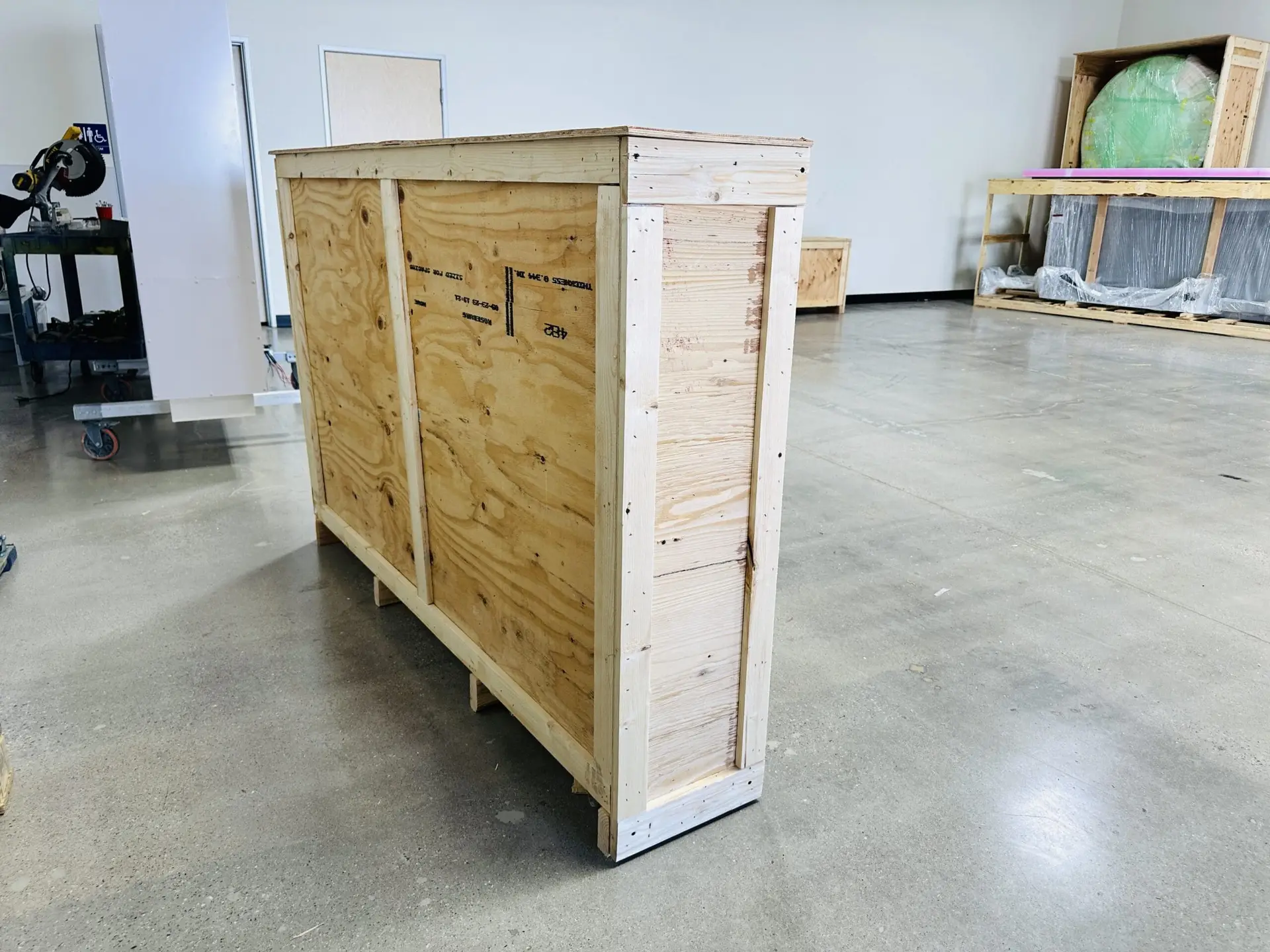
For a Las Vegas business, begin with a clear description of the item and the problem to solve. Damage risk, repeated repacking, awkward handling and disorganized storage call for different features, and each feature should earn its place in the quote.
Compare protection with the potential consequences of damage
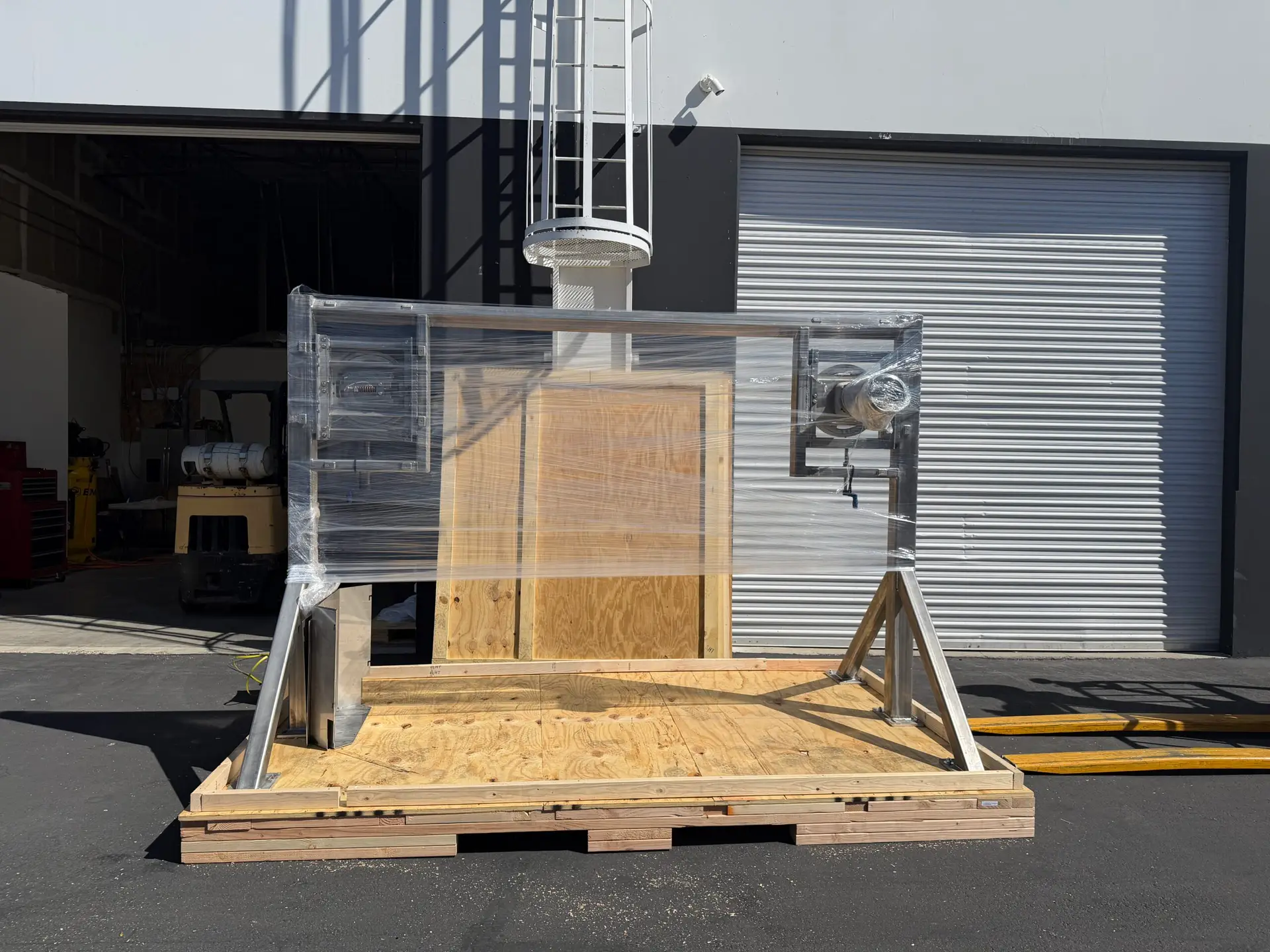
A fitted support system may be useful for fragile artwork, electronics or machinery that cannot be adequately restrained in the proposed standard package. Identify the vulnerable parts and how the crate design addresses them.
Avoid treating a crate as insurance or assuming all claims will be paid. Ask the carrier or insurer about coverage separately, and retain condition photographs and packing records. Even appropriate packaging does not eliminate the possibility of damage.
Quote freight using the finished package
A custom design can reduce unused space, but wood, supports and hardware add weight. Ask for the expected external dimensions and packed weight before comparing transport options.
Carrier pricing can depend on the service, route and shipment characteristics. A lower volume does not guarantee a lower invoice if another charge applies. Obtain a shipment-specific freight quote and confirm loading or delivery services that might be needed.
Calculate the practical cost of reuse
Reusable crates can spread construction cost over several trips when they are recovered and remain suitable for the load. Include costs that are easy to overlook:
- Returning the empty crate or routing it to the next event
- Storage space between shipments
- Inspection, cleaning and replacement interior pieces
- Repairs and any reassessment needed after changes
- Staff time to keep packing instructions and inventories current
Compare the expected total across a realistic number of trips. There is no universal break-even point for every business or crate.
Organize storage and handling
An inventory and a consistent labeling system can help staff find the right package without opening it. For a repeated exhibit or equipment kit, give accessories assigned positions and retain a packing diagram.
Ask about any stacking limitations and the handling equipment the design assumes. Do not stack a crate merely because its top looks flat. Storage conditions also matter: a wooden enclosure is not proof of waterproofing or temperature control.
Review the design when business needs change
An equipment upgrade, new trade show layout or different destination can change what the crate needs to do. Reassess the supports, internal clearance and packed weight instead of automatically reusing the old specification.
For exports, check applicable wood-packaging requirements. APHIS guidance explains treatment and marking responsibilities. Keep that compliance review separate from the financial comparison and from any promise about delivery timing.
PLAN YOUR CRATING
Request a complete crating scope
Send Crates of Las Vegas the item specifications, planned route, storage duration and expected repeat use. Ask for the scope, packed dimensions and assumptions behind the design so you can compare the full shipping and storage cost.
Discuss Your Crating ProjectMORE CRATING GUIDES