


Crates of Las Vegas Journal
Designing Reusable Custom Crates for Lower-Waste Shipping
A sustainable crating decision needs more detail than choosing wood or adding a recycling label. The useful questions are how much material the shipment requires, how long the crate can remain in service and what happens when it reaches the recipient.
For Las Vegas exhibitors, galleries and equipment owners, a repeatable shipping route may create opportunities for reuse. A one-way shipment can require a different approach. Start with the actual movements and protection requirements before making environmental claims.
Reduce unnecessary material without weakening protection
Right-sizing can remove avoidable packaging volume, but the crate must still allow for supports, cushioning and safe handling. A smaller exterior is not automatically better if it removes protection the item needs.
The EPA’s materials guidance prioritizes reduction and reuse before recycling. Apply that principle by questioning unnecessary layers and specifying each material’s purpose. Artwork, electronics and machinery can have very different protection requirements, so a single “green” packing recipe is unlikely to suit every load.
Design for repair and repeated packing
If the crate will be recovered, discuss replaceable panels, accessible fasteners and interior components that can be inspected. The design should also make it clear how the item is supported each time it is packed.
Reusable does not mean maintenance-free. Assign someone to check the crate after each trip and record repairs. If the contents change, ask whether the original design remains suitable before altering supports or reusing the same inserts.
Include the transport and return route
A reusable crate still travels, and an empty return can add cost and transport activity. Compare realistic scenarios rather than assuming that multiple-use packaging always has a lower carbon footprint.
- How many trips are actually expected?
- Can the crate return with an existing shipment?
- Where will it be stored between uses?
- How much repair or replacement material is likely?
- Who will recover it if the recipient cannot reuse it?
These answers help a business judge the system as a whole. Quantified emissions or savings claims require project data; a smaller package alone does not prove a particular reduction in fuel use.
For the separate cost decision, review our reusable-crate trip costs and return-planning guide.
Check material claims and export needs
Ask suppliers to substantiate recycled-content or responsible-sourcing claims when those attributes matter to the project. Also confirm that proposed recovery facilities accept the actual combination of wood, coatings, foam and hardware.
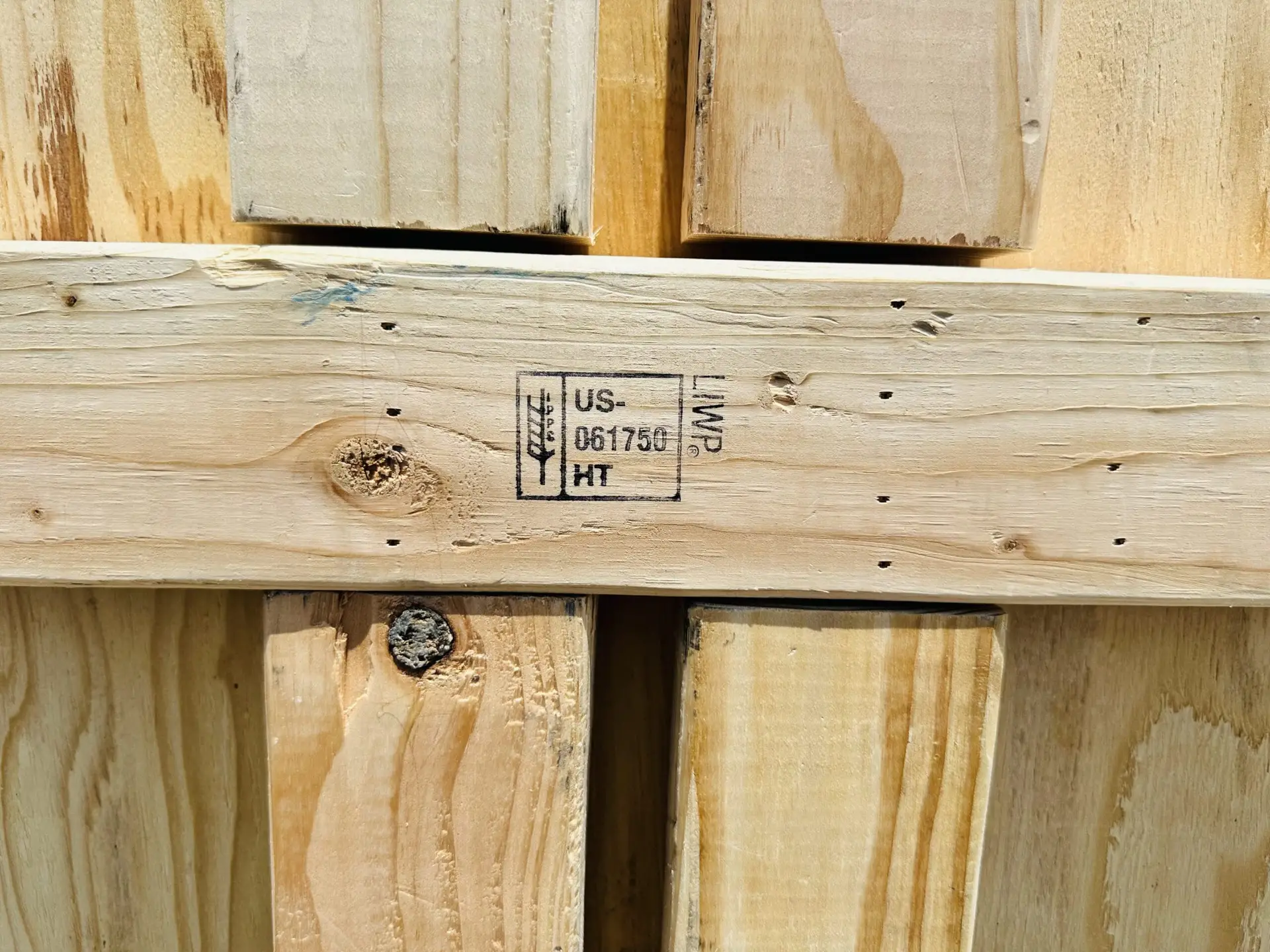
ISPM 15 addresses pests in regulated wood packaging used internationally. It is not an environmental certification and does not establish the sustainability of a crate. Treatment and marking requirements should be checked separately for the destination, including after relevant repairs.
Measure the result over time
Track trips completed, damaged components, repair work and packaging replaced. Compare those records with the original one-use alternative. This makes future design decisions more useful than relying on broad statements about industry trends.
A trade show team may focus on reliable recovery between events; a gallery may prioritize keeping a fitted art crate with one object. The most useful design is the one that protects the shipment and can realistically stay in service.
PLAN YOUR CRATING
Discuss a reusable crate plan
Contact Crates of Las Vegas with your items, route, expected trip frequency and storage arrangements. Ask about the available design options and specify which material or reuse claims need documentation in the quote.
Discuss Your Crating ProjectMORE CRATING GUIDES




