

Crates of Las Vegas Journal
How Custom Crates Help Protect Artwork in Las Vegas
A painting, sculpture or antique can need a very different packing approach from another object of the same size. Its condition, materials, surface and support points all matter. Custom art crating starts by understanding those details before choosing the outer box.
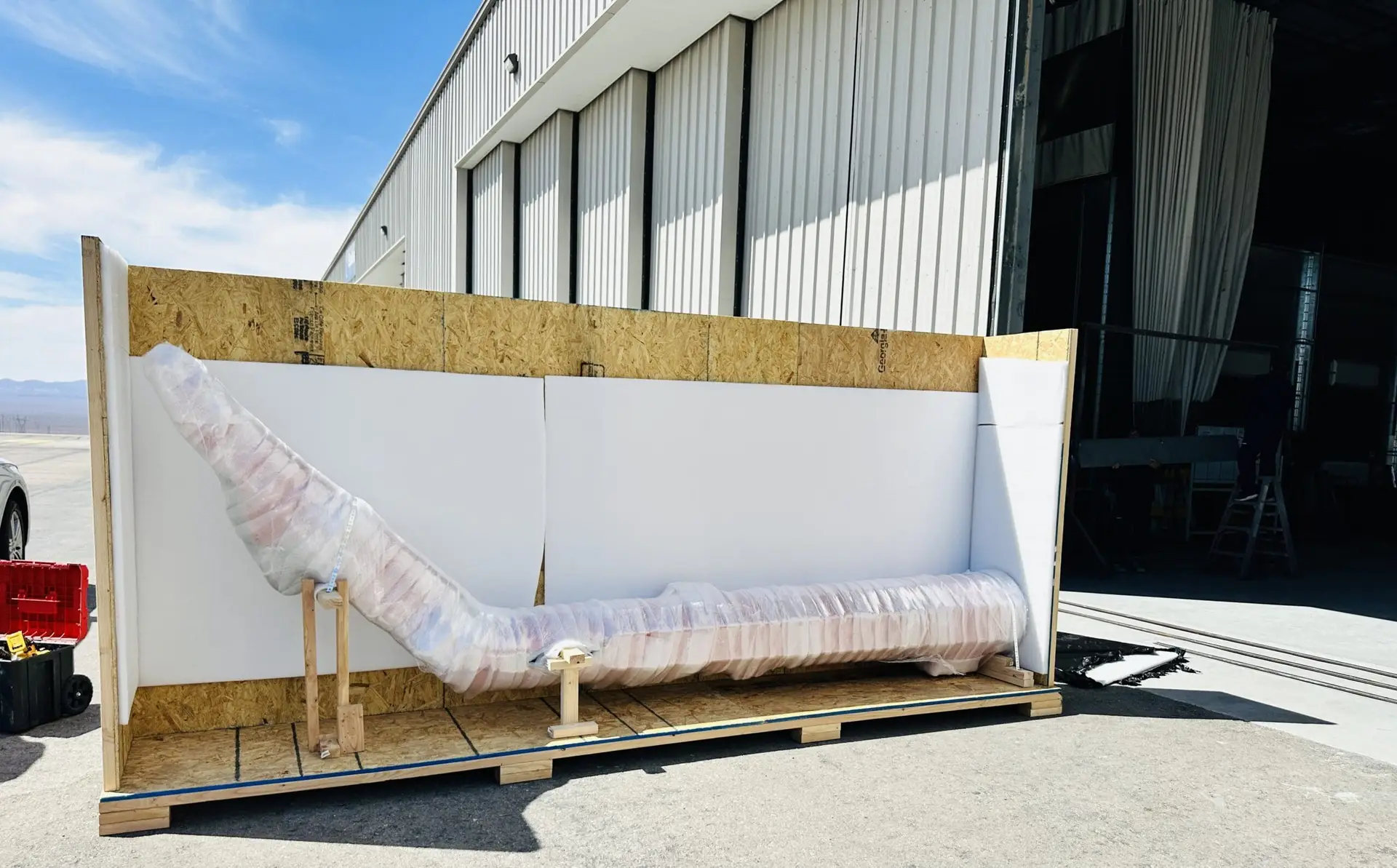
For a Las Vegas gallery transfer or an exhibition shipment, agree on the route and receiving arrangements as well as the crate. Good preparation can reduce avoidable risks, although no package can guarantee an artwork’s condition throughout a journey.
Start with the artwork’s condition
Provide clear photographs, dimensions including the frame or base, weight and notes about fragile or loose parts. If there is flaking paint, a damaged frame or another concern, ask a conservator whether the piece is suitable for travel before packing begins.
The Canadian Conservation Institute’s travel guidance treats assessment and preparation as essential parts of moving paintings. A condition record also gives the sender and recipient a shared basis for their handover.
Specify supports and compatible materials
A crate’s interior should restrain the artwork through appropriate support points without putting pressure on vulnerable details. A sculpture’s projecting elements, a frame’s ornament and a painted surface should not be treated as interchangeable contact areas.
Ask the responsible specialist to approve materials that touch or closely surround the work. Labels such as “acid-free” or “museum-quality” do not, by themselves, specify the complete packing system. Record the proposed supports, cushioning and wrapping so the recipient knows how the object was packed.
Plan exhibition and gallery transport
List every stop, including storage between venues, and identify who receives and opens the crate. Provide instructions for access panels and any removable restraints. The next handler should not have to guess how to reach the artwork.
For an international route, confirm destination wood-packaging requirements with the forwarder. ISPM 15 treatment and marking address regulated wood packaging; they do not guarantee customs clearance or remove the need for artwork-related paperwork and transport arrangements.
Address the environment beyond the crate
Temperature and humidity changes may need attention in the transport and storage plan. Insulation and barriers can play a role, but a sealed wooden crate should not be described as climate-controlled without a specified system and evidence of its performance.
Discuss the duration of the journey, likely waiting periods and the receiving environment with the conservator or lender. Keep decisions about environmental protection connected to the artwork rather than applying a generic wrapping method to every piece.
Reuse crates with a clear inspection process
A well-maintained crate may serve a returning exhibition or repeated loan. Preserve the interior layout, hardware and opening instructions. Photograph the packing sequence to make repacking easier to review.
Check for damage and changes to the artwork before reuse. A crate fitted to one sculpture or frame may not be appropriate for a different object. Repairability and a realistic return plan can reduce waste; sustainability benefits depend on how the crate is actually used.
PLAN YOUR CRATING
Discuss your artwork crating project
Contact Crates of Las Vegas with photographs, dimensions, weight, the destination and any curator or conservator instructions. Include installation and return-shipping plans so the proposed crate can support the full journey.
Discuss Your Crating ProjectMORE CRATING GUIDES




