

LAS VEGAS · CRATING GUIDE
The Hidden Costs of Poor Packaging and How to Compare Crates
The lowest packaging quote does not always produce the lowest shipment cost. If a crate fails to support the load, protects the wrong surfaces or creates avoidable handling problems, the consequences can include repair, reshipping and missed work. A useful comparison looks at the entire job.

Custom crating is worth considering when the item needs protection that a standard package cannot reasonably provide. Its value should be assessed against identifiable risks and a clear scope, rather than a promise that damage or delays will never happen.
Repair and replacement are only the first costs
A damaged item may need inspection, specialist repair, replacement parts or return transport. There can also be time spent documenting the problem and coordinating the next steps. For an irreplaceable object, a replacement price may not capture the loss.
Identify the parts most likely to be damaged and discuss how the proposed packing addresses them. A crate's outer shell, base, restraints and cushioning serve different purposes. Photographs and a condition record before packing can also make later handoffs easier to understand.
Oversized packaging can create avoidable expense
Unnecessary volume and weight can affect the freight quote, while a poorly arranged load can be difficult to handle. Ask for the completed crate dimensions and gross weight, including its base and packing materials, before comparing carrier options.
Right-sizing should retain the required cushioning and structural support. It does not mean building the smallest possible box. Carrier charges depend on the service and shipment details, so confirm the actual quote instead of assuming every reduction in size creates a saving.
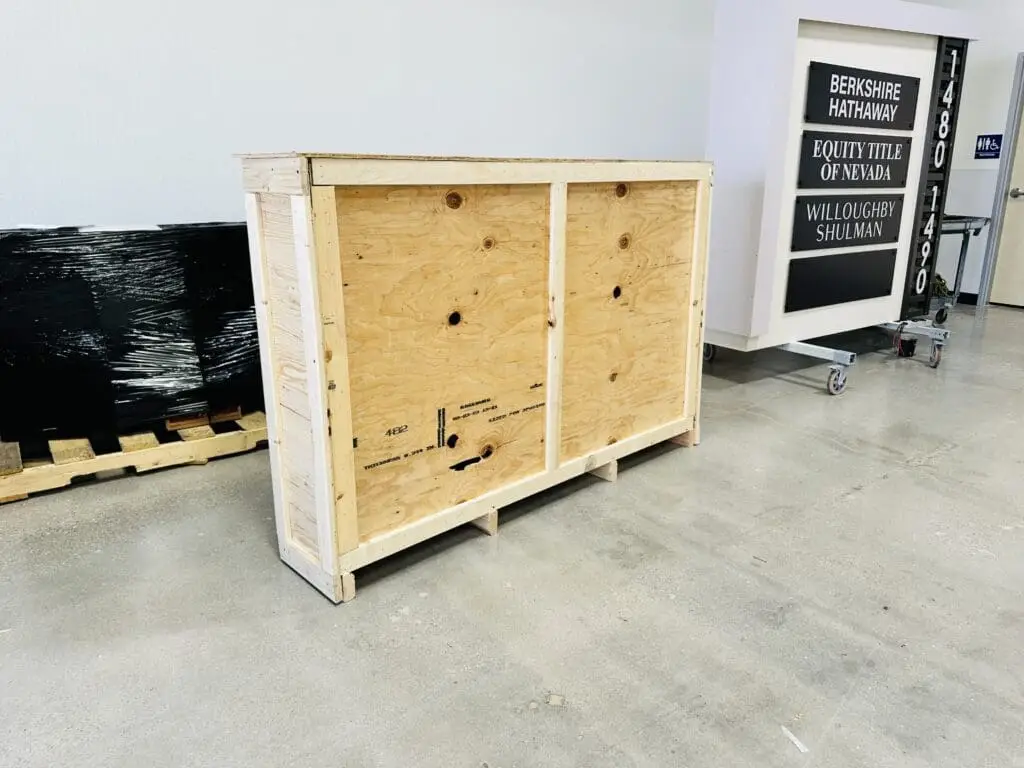
Include disruption and reshipping
Packaging trouble can affect more than the shipment itself. A replacement exhibit may miss setup, machinery may delay installation, and a hotel delivery may need to be rescheduled. These consequences belong in the comparison even when they are difficult to price precisely.
- What work depends on the item's arrival?
- Could the item be repaired locally, or would it need to return?
- Who would arrange another packing and shipping appointment?
- Is there time to inspect the shipment before its scheduled use?
A crate can address some physical risks. It cannot control carrier schedules, customs inspections or every event on the route, so keep a realistic contingency plan.
Evaluate reuse and material waste honestly
A durable crate may be useful across repeat shipments, but reuse needs a destination, storage space and a return plan. Include the cost and transport involved in bringing the empty crate back. Inspect its panels, base, hardware and packing before using it again.
Single-use cardboard or plastic is not automatically the wrong choice for every item. Compare protection and the realistic recovery options for the materials involved. The EPA's life-cycle approach to materials management considers production, use and end-of-life together.
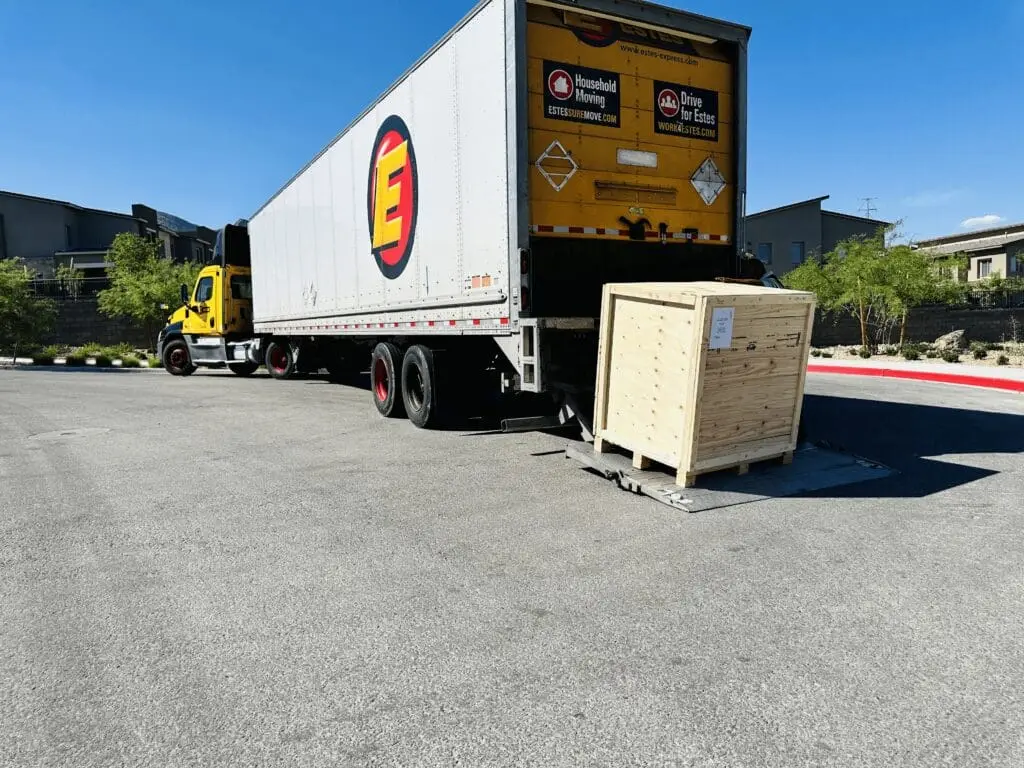
Protect the customer handoff
Customers need an intact, identifiable shipment and clear instructions for receiving it. An accurate inventory, sensible labeling and a usable opening sequence can support that experience. Packaging alone does not guarantee customer loyalty or prevent reputational harm.
Give the receiver the information needed to inspect and unpack the shipment, and identify who should be contacted if something is missing or appears damaged. Confirm any carrier reporting requirements before dispatch.

PLAN YOUR CRATING
Compare the full crating scope
Contact Crates of Las Vegas with the item details, photos, route and intended use. Ask for a quote that identifies the crate, internal packing and handling services so the upfront price can be evaluated alongside the shipment's practical risks.
Discuss your crating projectMORE CRATING GUIDES




