

LAS VEGAS · CRATING GUIDE
Custom Wooden Crates for Secure Shipping in Las Vegas
Valuable, fragile and oversized goods often need packaging decisions that go beyond selecting a standard carton. A custom wooden crate can provide an item-specific enclosure, handling base and interior support arrangement.

It is one option to assess against the load and journey. The strongest-looking package is not automatically the most suitable, and no construction material can promise damage-free delivery under every condition.
Start with the protection problem
Identify what makes the item difficult to ship. It may have a delicate surface, unusual dimensions, concentrated weight or protruding parts. Record the requirements before comparing packages.
For art, antiques and electronics, describe the areas that can tolerate contact and those that must remain clear. Manufacturer packaging may already provide a suitable system for some products; ask whether it should be retained within any additional freight enclosure.
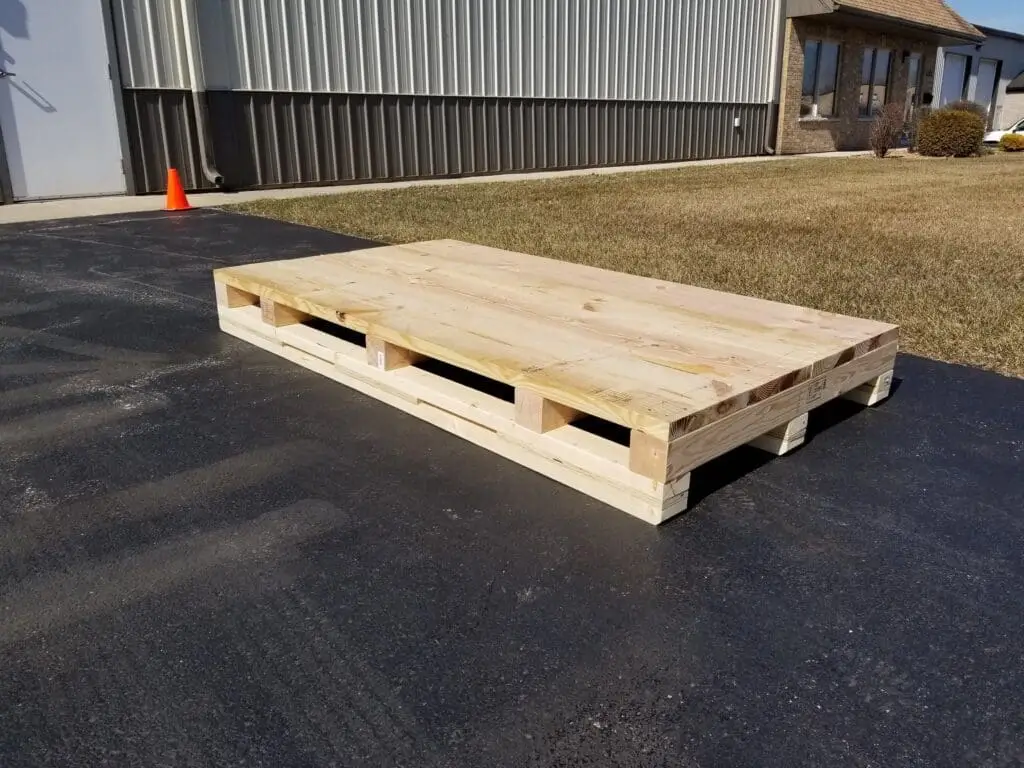
Use the tailored design to control support and access
A custom crate can accommodate internal supports, dividers and cushioning selected for the shipment. The design should explain how load is carried and how contents are kept from damaging one another.
Fit includes enough room for protection and safe removal. It does not mean pressing padding tightly against every surface. Ask how the crate opens, what equipment handles it and whether any stacking is permitted.
Check export requirements separately
For an international shipment, give the provider the destination and identify all wood packaging, including pallets and dunnage. Applicable treatment and marking must be confirmed for the actual route.
ISPM 15 addresses plant-pest risk in regulated wood packaging. It does not certify the strength of the crate or replace cargo documents, destination checks and carrier acceptance. Discuss these responsibilities with the appropriate provider or broker before collection.
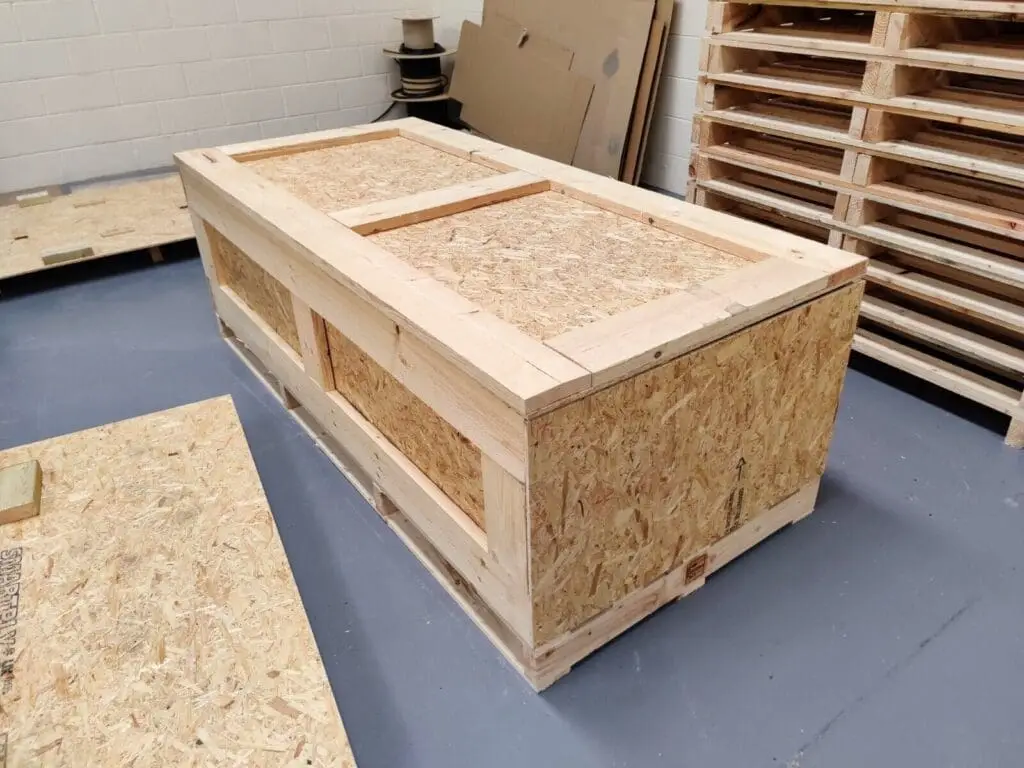
Make reuse an intentional decision
A crate may be useful for repeated moves when its dimensions, supports and closures remain suitable. Inspect it between trips and reassess the packing if the load changes. Include return transport and storage in the plan.
Wood is a renewable material, but that fact alone does not establish responsible sourcing or a lower environmental footprint. Ask for relevant sourcing evidence and check local reuse or recycling options. Cardboard and other packaging can also have useful recovery routes.
Compare complete costs rather than crate prices
- Initial preparation: design, materials and packing labor.
- Transport: finished external dimensions, gross weight and service requirements.
- Handling: pickup access, unloading equipment and opening labor.
- Repeat use: inspection, repairs, storage and return freight.
- Risk: the consequences of damage or downtime for this particular item.
A higher initial packing cost may be justified by the shipment's needs. Avoid treating lower damage, fewer shipments or insurance savings as automatic outcomes. Compare documented scopes and realistic assumptions.
PLAN YOUR CRATING
Choose a crate around your shipment
Discuss custom wooden crates with Crates of Las Vegas using photographs, dimensions, weight and route information. Include repeat-use plans and special handling instructions so the proposal can be evaluated as a complete packing solution.
Discuss your crating projectMORE CRATING GUIDES




