

LAS VEGAS · CRATING GUIDE
When Custom Wood Crates Are a Practical Packaging Choice
A custom wood crate is worth considering when an item's shape, weight, fragility or handling needs make standard packaging difficult to use. The decision should start with the shipment, not a blanket assumption that one material is always better than another.
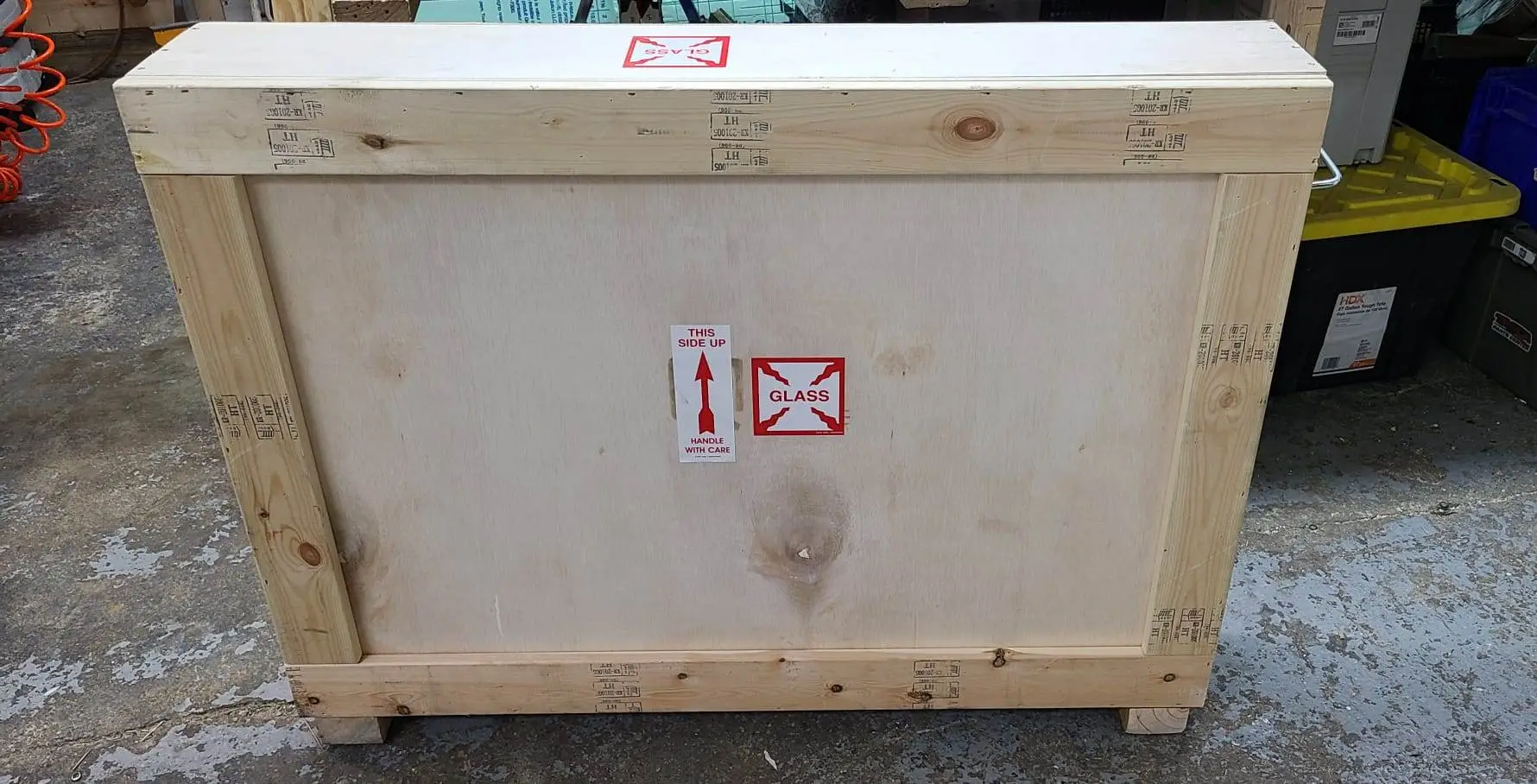
Artwork, electronics and industrial equipment can have very different needs. A useful comparison looks at the complete packed system, including the base, interior protection, outer enclosure and transportation service.
Evaluate strength through the design
A crate's suitability depends on its construction and intended load. Ask what the proposed base and panels are designed to do and whether the finished shipment has stacking restrictions. Do not infer capacity from the thickness or appearance of one piece of wood.
For a heavy or unusually shaped item, provide its weight distribution and approved support points if known. Where that information is missing, seek the manufacturer's guidance or an appropriate technical assessment rather than guessing.
Specify the fit and interior arrangement
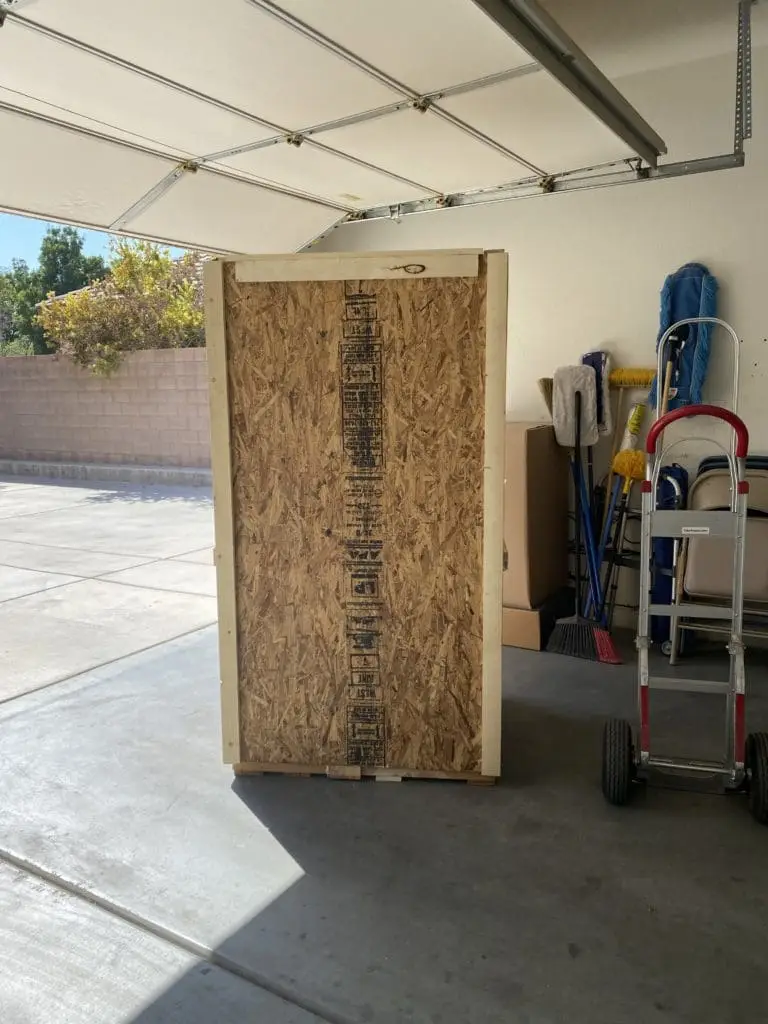
Measure the item in its actual shipping configuration. Include projections and any accessories packed with it. Then describe surfaces that need protection from contact and components that may need to be removed or secured before packing.
- Artwork: record the frame, glazing and any projecting details.
- Electronics: include manufacturer instructions and identify sensitive connections.
- Machinery: identify approved lifting, support and mounting locations.
- Unusual objects: supply photographs that show shape and stable orientation.
Ask the builder to distinguish usable internal space from the finished crate size. Protective materials take up room and contribute weight; both need to be included in the carrier booking.
Compare packaging options fairly
Corrugated packaging, transit cases, pallets and wood crates each have applications. The FedEx freight packing guide presents several options rather than a single material for every shipment. Check the selected carrier's requirements and the product's own instructions.
Do not rely on the wood enclosure alone to absorb shocks or restrain the item. Ask how the interior protection has been selected for this cargo. Likewise, ordinary wood construction should not be assumed waterproof or suitable for unrestricted stacking.
Include appearance only where it matters
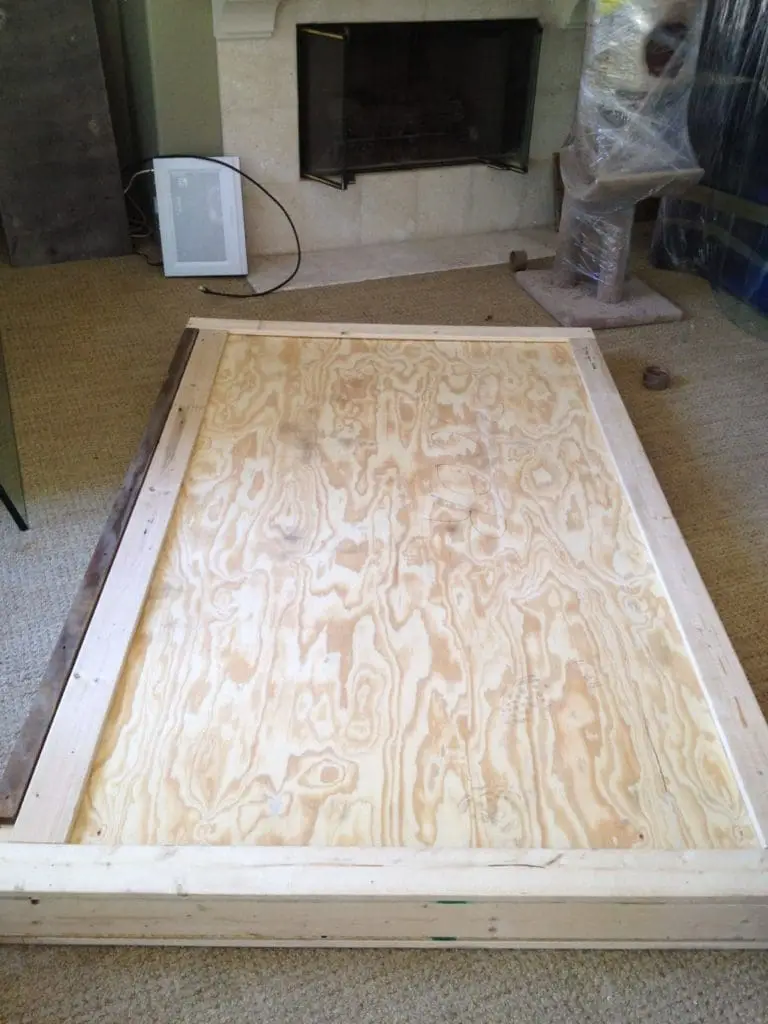
If the package will be visible to a customer, identify the desired presentation separately from the transport requirements. Ask what finishing or marking options are available and whether they affect the quotation, schedule or maintenance.
A plain, clearly labeled package may be the appropriate choice for freight that goes directly to a receiving dock. A presentation requirement should serve a defined purpose without obscuring essential handling and destination information.
Use local coordination to resolve details
Working with a Las Vegas crate provider gives you a local contact for the project, but availability and completion dates still need confirmation. Ask whether the item must be brought to the workshop or whether an on-site assessment is appropriate.
Compare quotes on the same basis. Check whether packing labor, interior materials, pickup, delivery and transport are included or separate. For a reusable design, include storage, inspection and repair in your planning rather than counting on an unlimited service life.
PLAN YOUR CRATING
Discuss the right packaging for your shipment
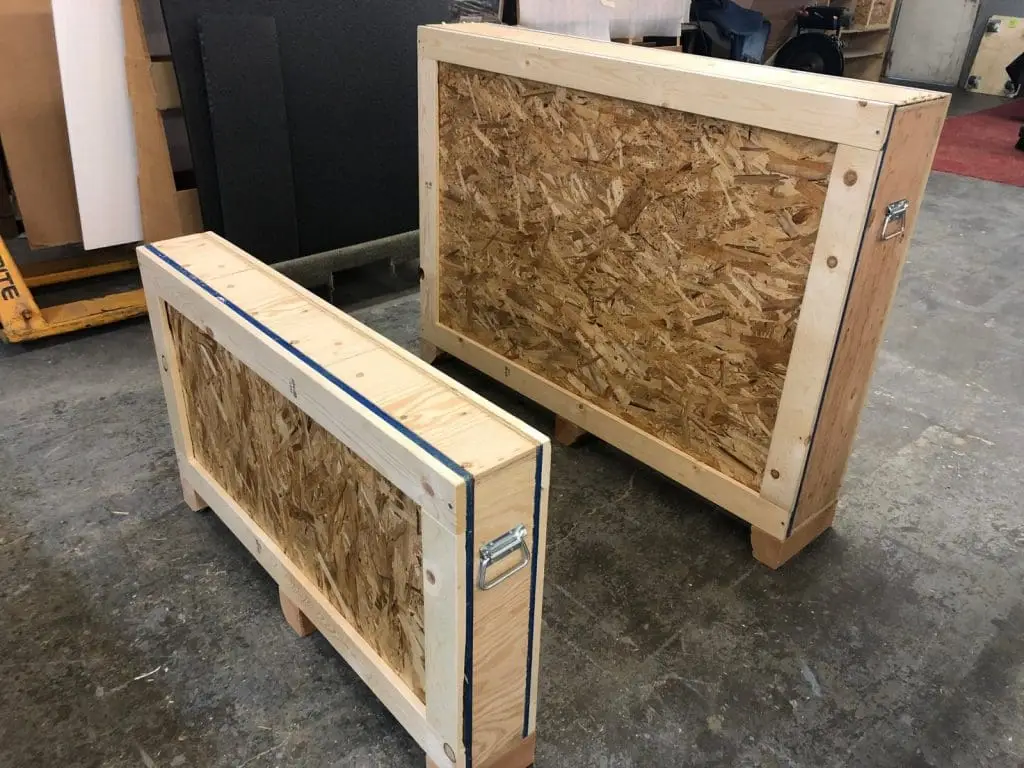
Contact Crates of Las Vegas with the item details and destination. Share any carrier or manufacturer requirements so the team can review whether a custom wood crate fits the project and clarify the proposed scope.
Discuss your crate projectMORE CRATING GUIDES




