

LAS VEGAS · CRATING GUIDE
How Custom Wood Crate Design Balances Craft and Protection
A custom wood crate begins with a practical design question: how will this particular item be supported, protected, moved and unpacked? For artwork, antiques and equipment leaving Las Vegas, careful construction matters most when it answers those questions clearly.
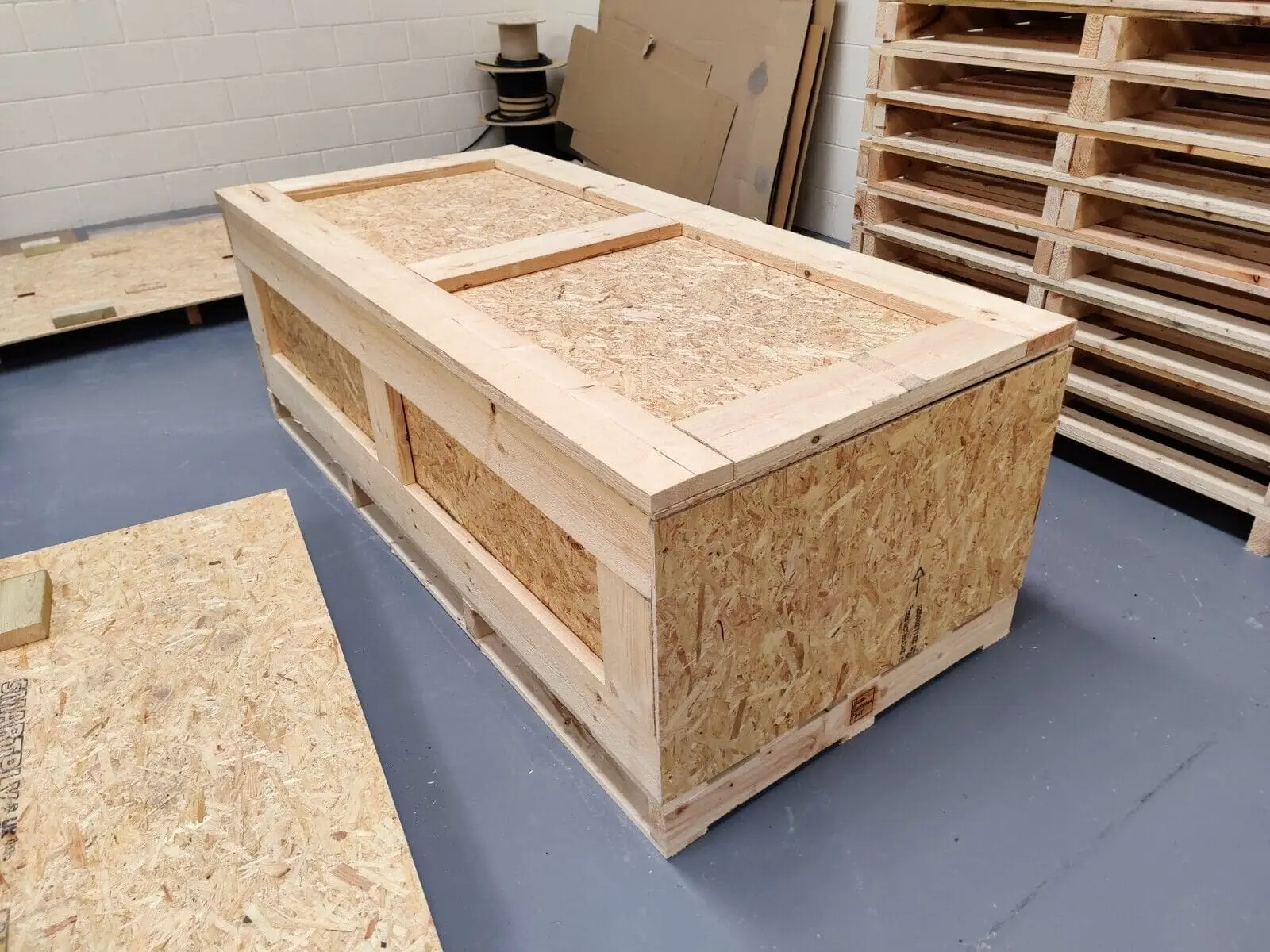
The craft lies in accurate fit and assembly. The technical work lies in matching the package to the object and its journey. A handsome exterior can be useful for presentation, but the load-bearing base, interior supports and opening method deserve attention first.
Start with the item rather than the outside dimensions
Measure the complete shipping configuration, including handles, feet and projections. Identify surfaces that can accept support and areas that must remain untouched. A sculpture with a narrow base, for example, needs a different discussion from a machine with manufacturer-approved mounting points.
Give the crate builder photographs from several sides and a reliable weight. Separate the object's dimensions from the finished crate's dimensions: the latter must include the structure and protective materials. Record any dismantling that the owner or manufacturer permits before a design is agreed.
Treat the structure and interior as one design
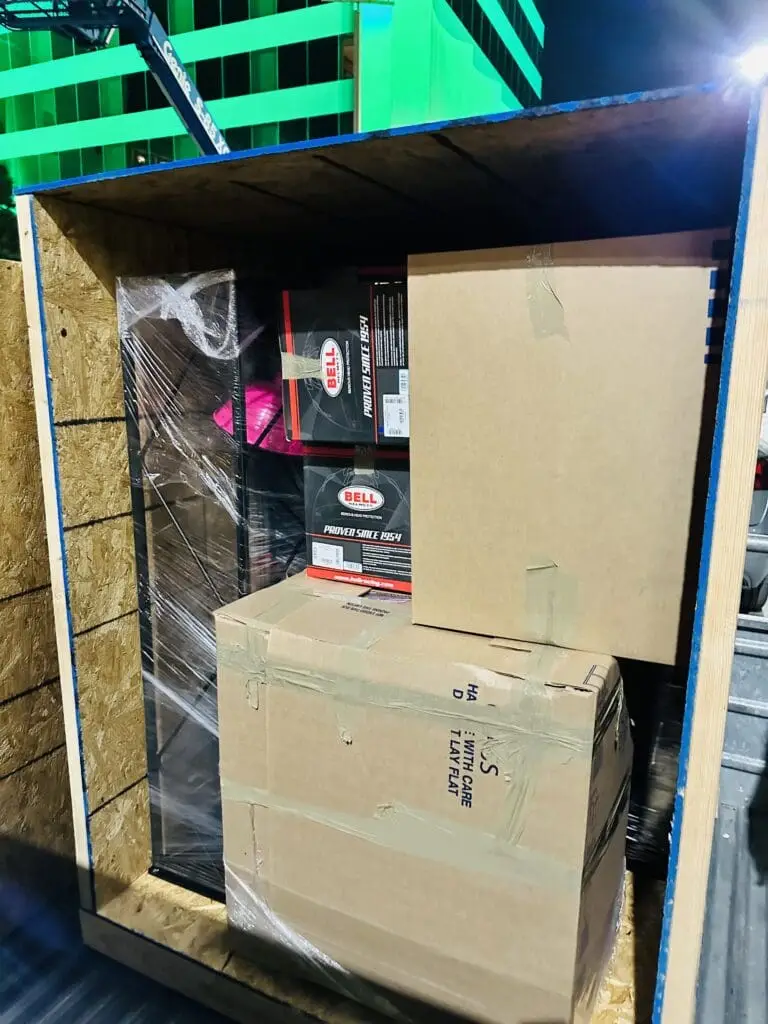
The shell, base and internal protection have different jobs. The base carries the load; the enclosure separates the contents from outside contact; selected supports and cushioning address movement and vulnerable surfaces. Adding more material without understanding the item can create an awkward or unnecessarily heavy package.
FedEx's freight packing guidance treats cushioning, blocking and bracing as distinct packaging choices. Ask the builder to explain which is appropriate for your object, rather than assuming loose padding alone will secure heavy cargo.
Match the design to fragile and unusual objects
Fine art, antiques and collectibles may have fragile finishes or components that are difficult to replace. Share existing condition photographs and any instructions from the artist, conservator or manufacturer. Confirm who can handle, disassemble and repack the object.
- For framed pieces, identify glazing, projecting ornament and surfaces that must not be touched.
- For an irregular object, identify its stable orientation and approved support points.
- For equipment, supply the manufacturer's transport instructions and a list of detachable accessories.
- For repeat shipments, request a clear opening sequence and a way to identify each removable component.

Account for the whole journey
Describe the route, expected transfers, collection access and unloading arrangements. Ask whether the completed package suits the carrier and the receiving location. Doorways, elevators and available handling equipment can influence the design before the first panel is cut.
If an item needs a defined temperature or humidity range, raise that requirement separately. An ordinary wood crate does not provide active climate control. The storage and transport service, packaging materials and any monitoring need to be discussed together. No crate can promise damage-free delivery under every handling condition.
Make reuse and material choices specific
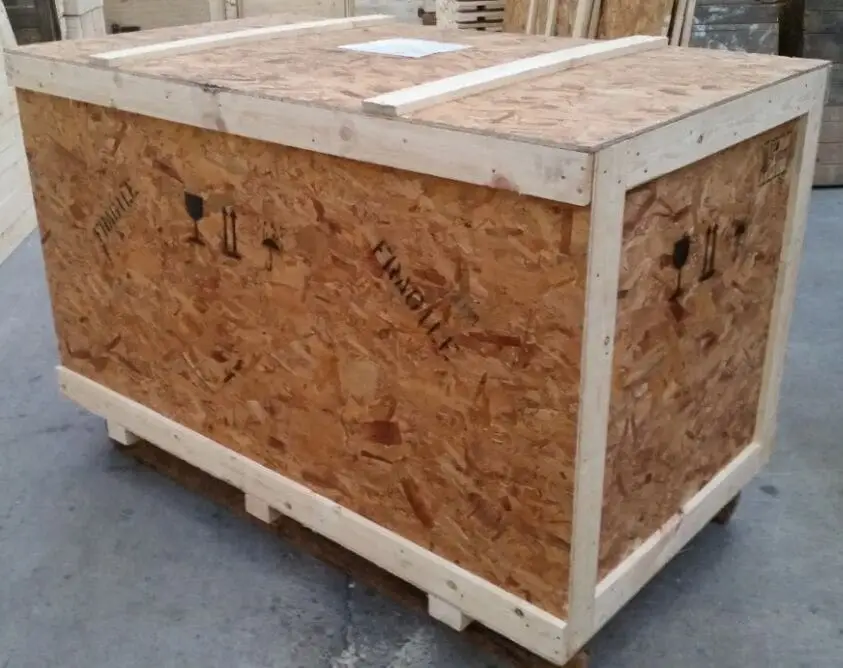
For a crate expected to travel again, ask about replaceable panels, reusable closures and an inspection plan. Record its intended contents so a later user does not assume that an empty crate is suitable for a different load.
Ask for evidence behind any sourcing or environmental claim. Useful questions include which materials are specified, which components can be repaired, and how the receiving location can handle the packaging after use. Wood alone does not establish a certified source or a measured environmental benefit.
PLAN YOUR CRATING
Discuss a custom crate for your item
Contact Crates of Las Vegas with the item's measurements, weight, photographs and destination. Explain its fragile areas and whether the crate will be used once or repeatedly. These details give the team a useful starting point for reviewing the design and preparing a project-specific quote.
Discuss your crate projectMORE CRATING GUIDES




