
LAS VEGAS · CRATE CRAFTSMANSHIP
The Craft of Custom Wood Crates: Balancing Appearance and Practical Use
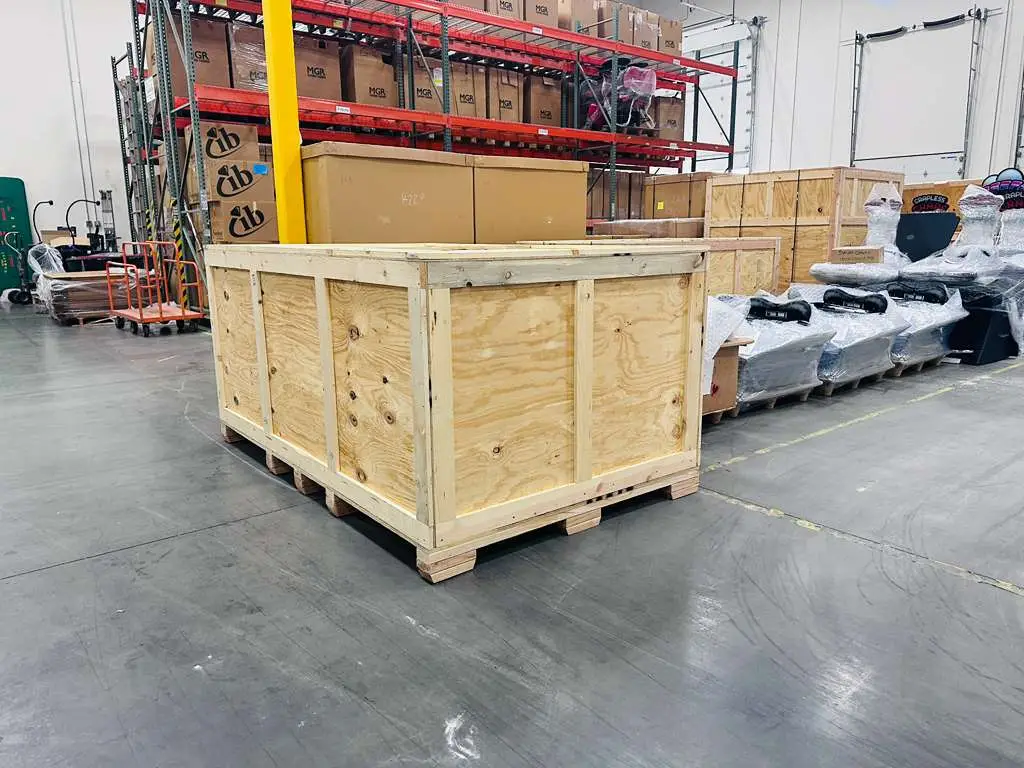
The craft of a custom wood crate shows up in the decisions behind it: how it fits the object, where it provides support, how its panels are assembled, and how someone will open it. Appearance matters, especially for client-facing or display uses, but it should support a clearly defined purpose.
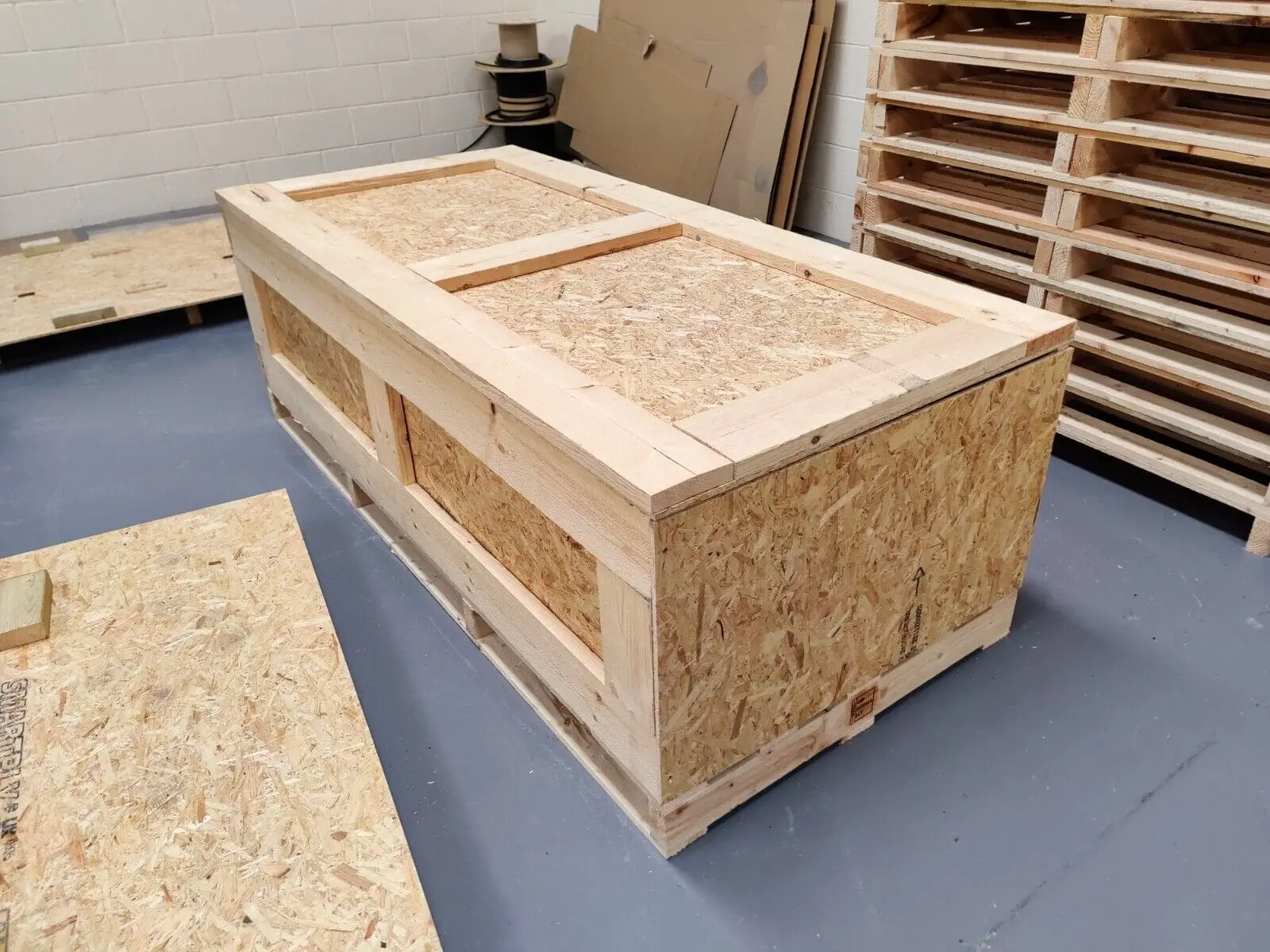
For a Las Vegas shipment, look at craftsmanship through the entire journey. The questions below connect the original appeal of bespoke woodwork with the practical needs of packing, receiving, and possible reuse.
Look closely at the workmanship
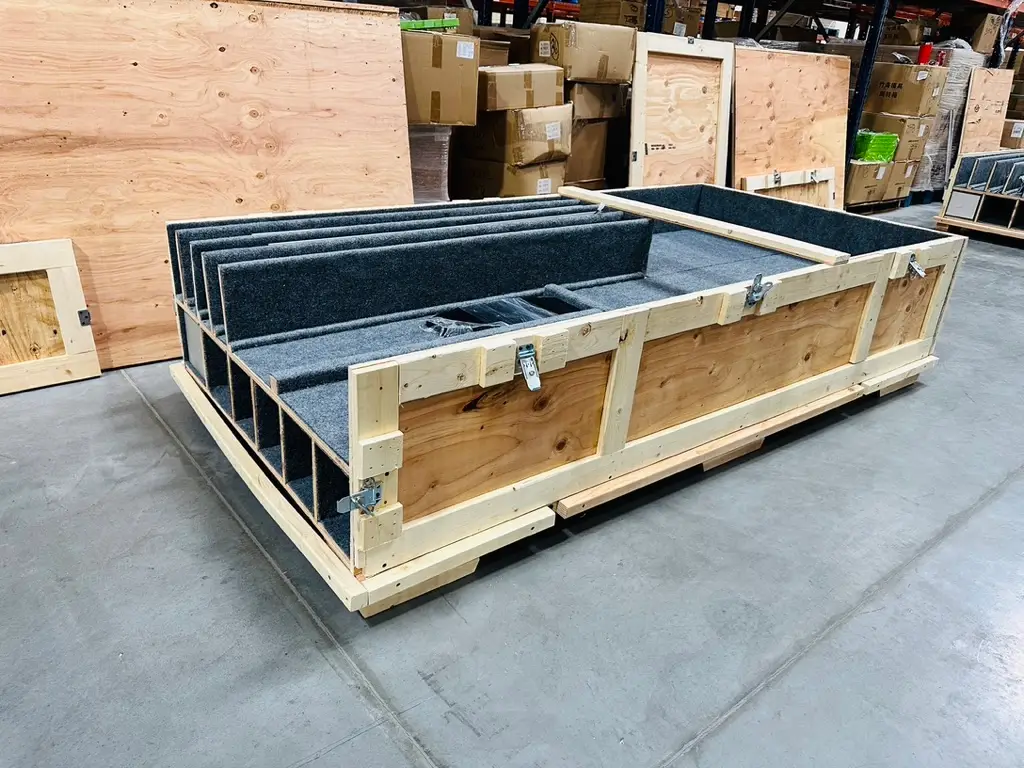
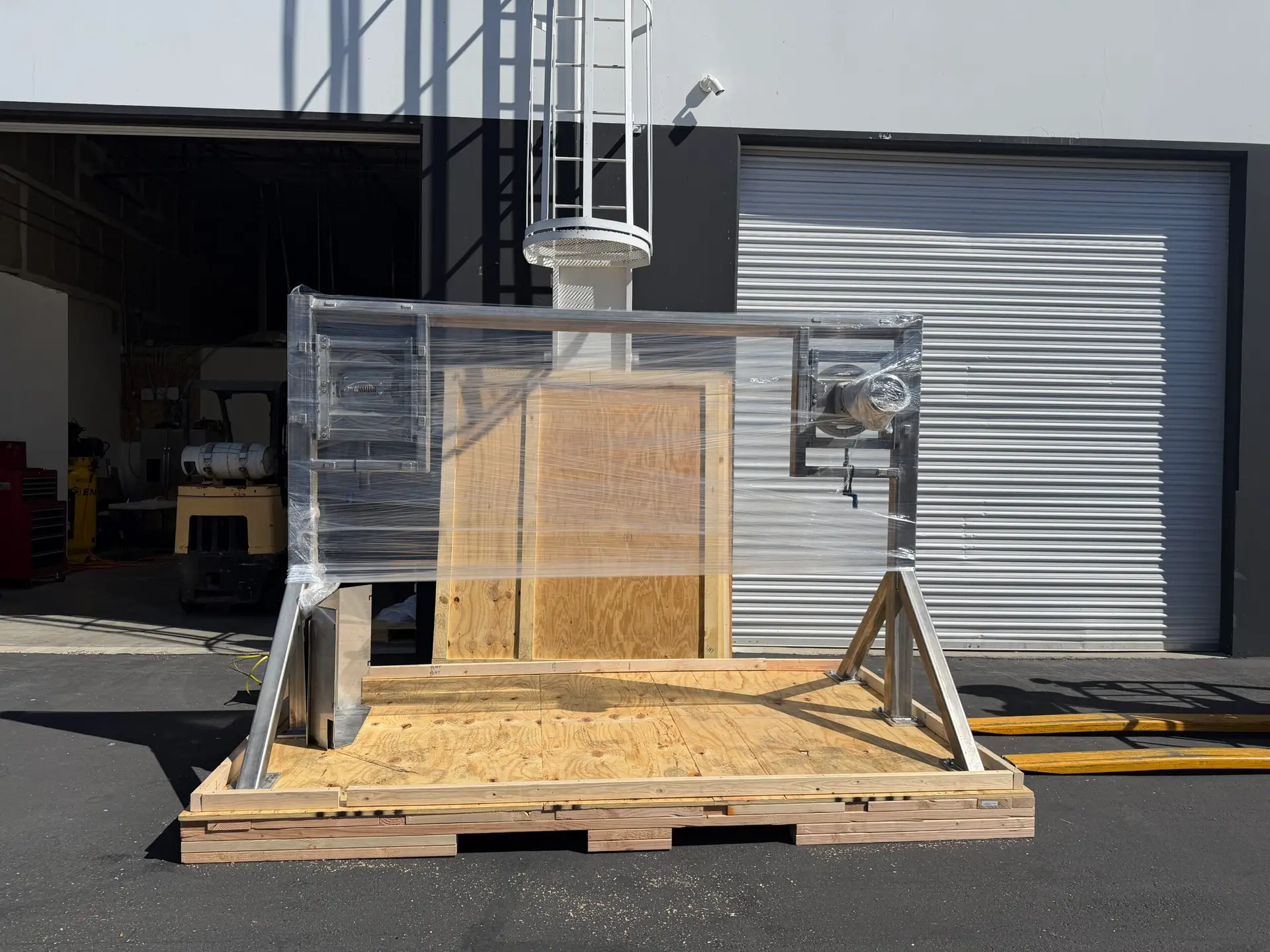
Start by asking the builder how the proposed construction suits the item. Discuss the weight, shape, support points, and handling method rather than selecting a design only because it resembles a photo. A small display object and a heavy piece of equipment can require very different structures.
At handover, ask the packer to explain the opening panel and the intended lifting method. Check for loose parts or visible damage and ask about anything that differs from the agreed design. A neat exterior is useful, but the internal arrangement needs the same attention.
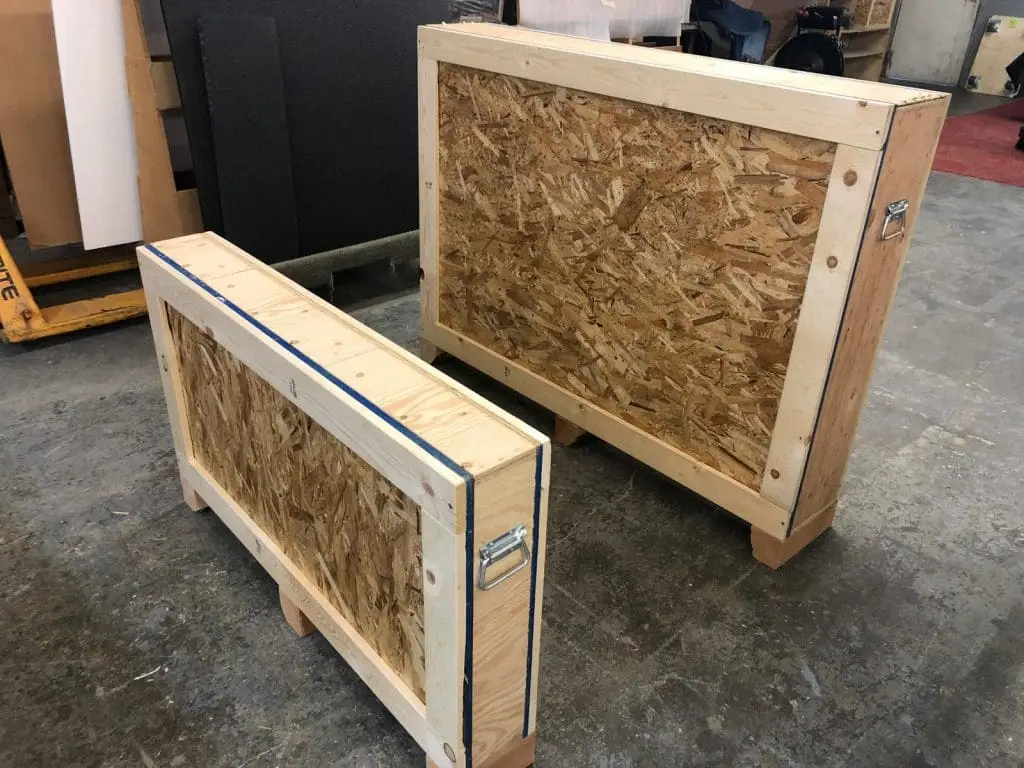
Balance aesthetics with access and protection
Color, finish, and markings can help communicate a brand or distinguish one package from another. If those details matter, include reference images and describe where the crate will be seen. Confirm which options the builder can provide and whether any finish needs time or special handling before packing.
Keep the opening method, identification, and handling instructions easy to understand. Decorative treatment should not hide fasteners that the recipient needs to access or obscure shipment information. Where a finish or surface is sensitive, discuss suitable contact materials with the packer and the item's manufacturer or specialist.
Define any display or presentation role
A crate may be part of a presentation as well as a transport package. For that use, explain the setting, who will open it, and whether it must remain visible afterward. Confirm these requirements as part of the design rather than assuming a shipping crate is ready to function as a display fixture.
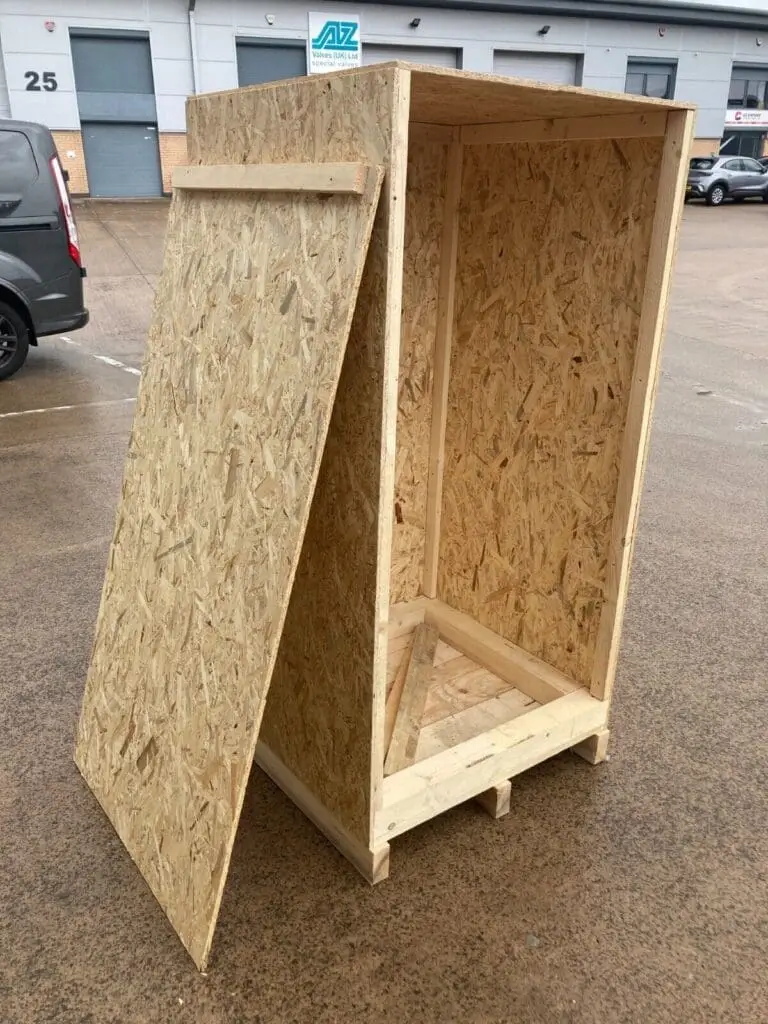
If the project involves artwork or an unusual object, identify the relevant handling instructions and the people responsible for installation. Avoid making the crate part of a public display or supporting another load unless that use has been specifically assessed. Its original shipping purpose does not establish suitability for a different role.
Match each design to its contents
The versatility of wood crating comes from adapting a design to a particular object. Consider a few contrasting briefs:
| Project | Details to discuss |
|---|---|
| Framed artwork | Frame, glazing, surface sensitivity, orientation, and safe support points. |
| Event display | Separate components, assembly order, labeling, and return-trip storage. |
| Specially presented item | Opening sequence, desired appearance, contact materials, and transport protection. |
These are design questions, not universal construction specifications. Crates of Las Vegas offers custom packaging; ask the team which approach fits your item and the planned journey.
Keep the story of the object with the shipment
The original article described crates as carrying the story of their contents. In practice, useful documentation helps preserve that context. Label the item or component clearly, include unpacking guidance, and record its condition before packing. For a set of pieces, provide an inventory the recipient can check.
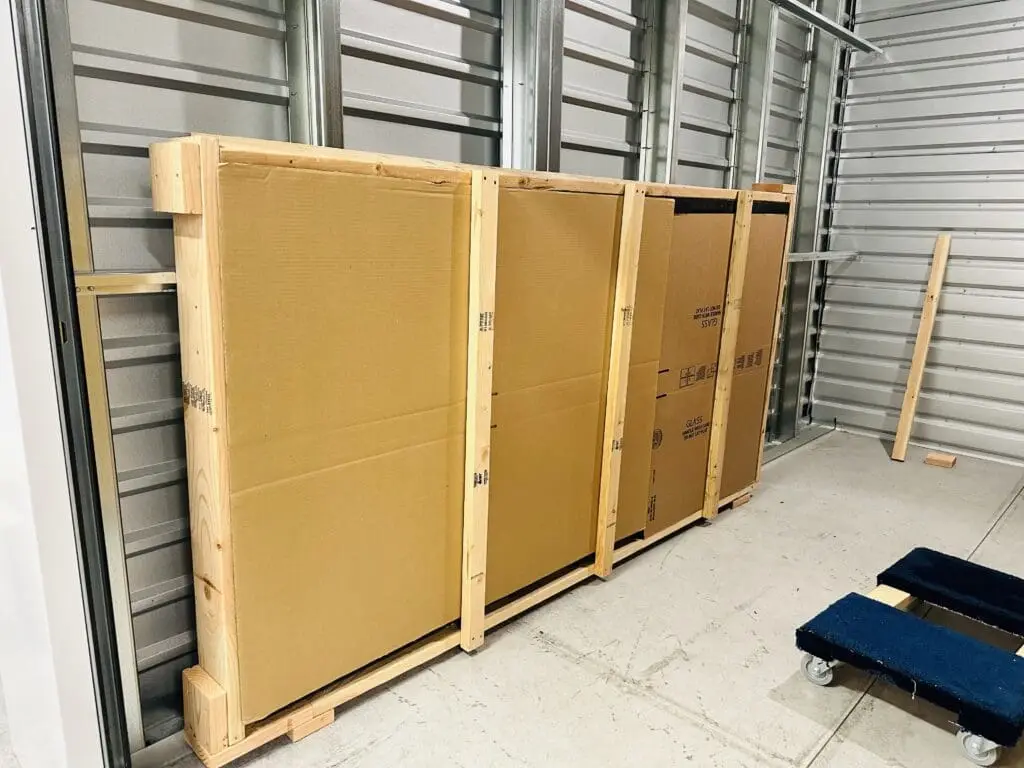
If the crate will be reused, keep a record of how the item was positioned and supported. Inspect the crate and packing components before another journey, and review any changes to the contents or route. Reuse should be based on condition and fit rather than appearance alone.
PLAN YOUR CRATING
Discuss craftsmanship that serves your project
Share the object, its measurements and weight, the route, and any presentation requirements with Crates of Las Vegas. Explain what you want the recipient's opening experience to be, then ask which design options are suitable for both handling and presentation.
Discuss your crate designMORE CRATING GUIDES