Blog | Crates of Las Vegas
Global Export Crating Standards Explained (ISPM-15 Guide)
Understanding global export crating standards is crucial for businesses engaged in international shipping. The International Standards for Phytosanitary Measures No. 15 (ISPM-15) outlines the requirements for wood packaging materials to prevent the spread of pests and diseases across borders. This article will delve into the significance of ISPM-15 compliance, the treatment processes for wood packaging, and the marking and certification requirements necessary for international shipping. By grasping these standards, businesses can avoid costly fines and ensure smooth customs clearance, ultimately protecting their shipments and reputation.
The adoption of ISPM-15 was a direct response to the recognized threat of wood pests in global trade, as highlighted by research.
In this guide, we will cover the following key sections: what ISPM-15 is and its importance, the treatment methods for wood packaging materials, the marking and certification requirements, and how Crates of Las Vegas ensures compliance with these standards for their gift crates.
What is ISPM-15 and Why Is It Essential for Export Crating?
ISPM-15 is an international standard that mandates the treatment of wood packaging materials to mitigate the risk of pest introduction and spread during international shipping. This standard is essential for export crating as it helps protect global agriculture and forestry from invasive species. Non-compliance can lead to severe consequences, including shipment delays, fines, and damage to a company’s reputation. Understanding ISPM-15 is vital for businesses that rely on wood packaging to ensure their products can be shipped internationally without issues.
Definition and Purpose of ISPM-15 Standards
Role of the International Plant Protection Convention in ISPM-15
How Are Wood Packaging Materials Treated to Meet ISPM-15 Requirements?
To comply with ISPM-15, wood packaging materials must undergo specific treatment processes designed to eliminate pests. The two primary methods are heat treatment and fumigation.
Heat Treatment: This process involves heating the wood to a core temperature of at least 56°C (132.8°F) for a minimum of 30 minutes. This method effectively kills pests and their eggs, ensuring the wood is safe for international shipping.
Fumigation: Fumigation uses chemicals, such as methyl bromide, to penetrate the wood and eliminate pests. This method is effective but requires careful handling due to the toxicity of the chemicals involved.
Both methods must be performed by certified facilities to ensure compliance with ISPM-15 standards.
Heat Treatment Process for Export Crates
Fumigation Methods and Compliance Procedures
What Are the Marking and Certification Requirements for ISPM-15 Compliant Crates?
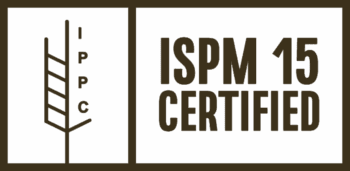
Marking and certification are critical components of ISPM-15 compliance. All wood packaging materials must be marked with the ISPM-15 logo, which indicates that the wood has been treated according to the standards. This marking must include the following information:
Treatment Method: Indicating whether the wood was heat-treated or fumigated.
Country of Origin: The country where the wood was treated.
Unique Identifier: A code that identifies the treatment facility.
These markings help customs officials quickly verify compliance and facilitate the smooth passage of goods across borders.
Understanding ISPM-15 Stamps and Labels on Wood Packaging
ISPM-15 stamps and labels serve as proof that wood packaging materials have been treated according to international standards. The stamp typically includes the ISPM-15 logo, the country code, and the treatment facility’s unique identifier. It is essential for businesses to ensure that all wood packaging used in international shipping is properly stamped to avoid delays and penalties during customs inspections.
Obtaining and Verifying Phytosanitary Certificates
Phytosanitary certificates are essential documents that confirm compliance with ISPM-15 standards. To obtain these certificates, businesses must follow a series of steps:
Treatment Verification: Ensure that all wood packaging materials have been treated and marked according to ISPM-15 requirements.
Inspection: Schedule an inspection with a certified authority to verify compliance.
Certificate Issuance: Upon successful inspection, the authority will issue a phytosanitary certificate.
These certificates are crucial for international shipping, as they provide evidence of compliance and help prevent potential fines or shipment rejections.
How Do International Shipping Regulations Affect Export Crate Compliance?
International shipping regulations significantly impact export crate compliance. Each country may have specific requirements regarding wood packaging materials, and businesses must stay informed about these regulations to avoid penalties. Non-compliance can lead to shipment delays, increased costs, and damage to a company’s reputation. Therefore, it is essential for businesses to understand the regulations of the countries they are exporting to and ensure that their wood packaging materials meet all necessary standards.
Regional Variations in ISPM-15 Enforcement and Requirements
About Crates of Las Vegas
Crates of Las Vegas is a trusted provider of export-quality gift crates with a strong focus on international shipping compliance. Our team comprises certified professionals specializing in ISPM-15 standards and global export regulations. We collaborate with accredited treatment facilities and maintain rigorous quality control processes to ensure every crate meets or exceeds international phytosanitary requirements.
Our commitment to excellence is reflected in our certifications and industry affiliations, including:
Certification by the National Wood Packaging Certification Program (NWPCP)
Membership in the International Wood Packaging Compliance Association (IWPCA)
Ongoing staff training in phytosanitary standards and export regulations
With years of experience and a dedication to regulatory expertise, Crates of Las Vegas is your reliable partner for compliant, high-quality export crating solutions.
Conclusion
At Crates of Las Vegas, we prioritize compliance with global export standards to ensure our gift crates are suitable for international shipping. Our curated gift crates are designed with ISPM-15 compliance in mind, utilizing treated wood packaging materials that meet all necessary requirements. We work closely with certified treatment facilities accredited by recognized industry bodies to ensure that our crates are properly treated and marked, providing our customers with peace of mind when shipping their unique Las Vegas-themed items.
Our team includes experts with extensive experience in international shipping regulations and phytosanitary compliance. We maintain active memberships in industry associations such as the International Wood Packaging Compliance Association (IWPCA) and regularly participate in training programs to stay current with evolving standards. This commitment to expertise and certification underscores our dedication to quality and regulatory adherence.