

Crates of Las Vegas Journal
On-Site Crating Services in Las Vegas: Planning the Job
On-site crating brings the packing work to the item’s location. That can be useful when a sculpture, fragile display or heavy piece of equipment would be difficult to move to a workshop before it is protected.
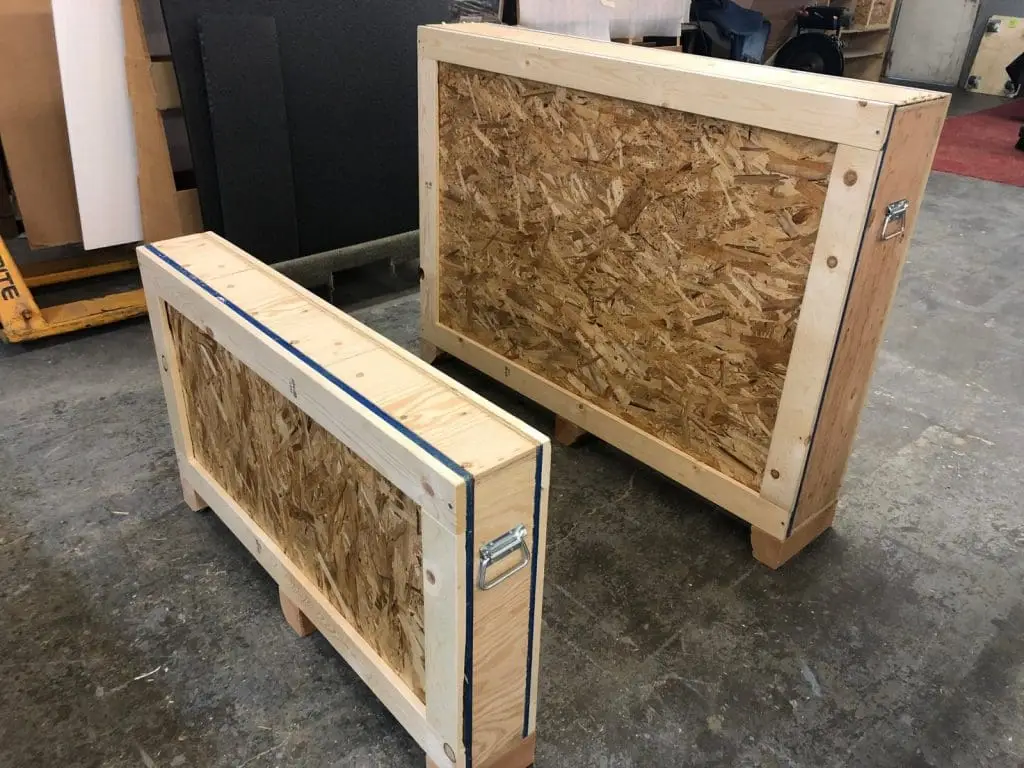
Crates of Las Vegas describes an on-location crating service. Suitability, access and timing still need to be confirmed for the individual project. An on-site job works best when the item owner, property contact and carrier agree on the sequence before the crew arrives.
Decide whether on-site work fits the item
Consider what would be involved in moving the uncrated item to a packing facility. Restricted exits, vulnerable surfaces or a complicated equipment move may make packing at the current location preferable.
On-site work also needs adequate space and suitable conditions. Tell the provider whether the item is at a home, gallery, warehouse, convention venue or operating business. Confirm building restrictions, working hours and where materials and tools can be staged.
Gather dimensions and design information
Custom crate design still requires accurate item measurements and weight. Include projections, removable parts and the intended shipping orientation. Identify approved support and lifting points, or provide the manufacturer’s instructions for equipment.
Artwork may need a conservator’s input; machinery may require a qualified technician to prepare it. Specify any cushioning, barriers or other protection that must be considered. The provider should confirm the design and work scope before a shipping deadline is treated as achievable.
Reduce handling with a coordinated sequence
Packing where an item sits can avoid an extra unprotected journey. The remaining movements still need planning: repositioning for access, placing the item on a base, closing the crate and transferring it to the carrier.
- Clear the agreed workspace and access path.
- Confirm who prepares or disconnects the item.
- Identify the loading equipment and its operator.
- Arrange collection after packing is complete and checked.
- Give the recipient packed dimensions and unloading requirements.
A crate with forklift access does not establish that a particular forklift or loading area is suitable for the completed load. Have the responsible handlers confirm their requirements.
For collection and receiving arrangements, use our road-shipment handover guide when coordinating with the carrier and recipient.
Compare cost and schedule explicitly
On-site crating may remove a transport leg, but travel, labor, materials and site restrictions can affect the quote. Compare the full on-site scope with the workshop alternative rather than assuming one is always cheaper or faster.
Request a confirmed work window and explain any venue deadline. Do not assume same-day availability. For export shipments, raise treatment and marking requirements early enough for the provider to confirm how they will be met.
Plan reuse and cleanup
For a recurring exhibit or valuable item likely to move again, discuss reusable closures and packing instructions. Include where the crate will be kept and who will inspect it before the next trip.
Ask what happens to offcuts and packing materials at the site, and whether any repair or recovery services are actually available. Environmental benefits depend on the materials, journeys avoided and reuse achieved, so they should not be promised solely because the work is performed on location.
PLAN YOUR CRATING
Arrange an on-site crating assessment
Send Crates of Las Vegas the item details, photographs, location, access restrictions and target pickup date. Ask the team to confirm feasibility, the work included and the information needed to prepare a quote.
Discuss Your Crating ProjectMORE CRATING GUIDES




