CRATING & PACKAGING GUIDES
On-Site Crating: When to Build at Your Location
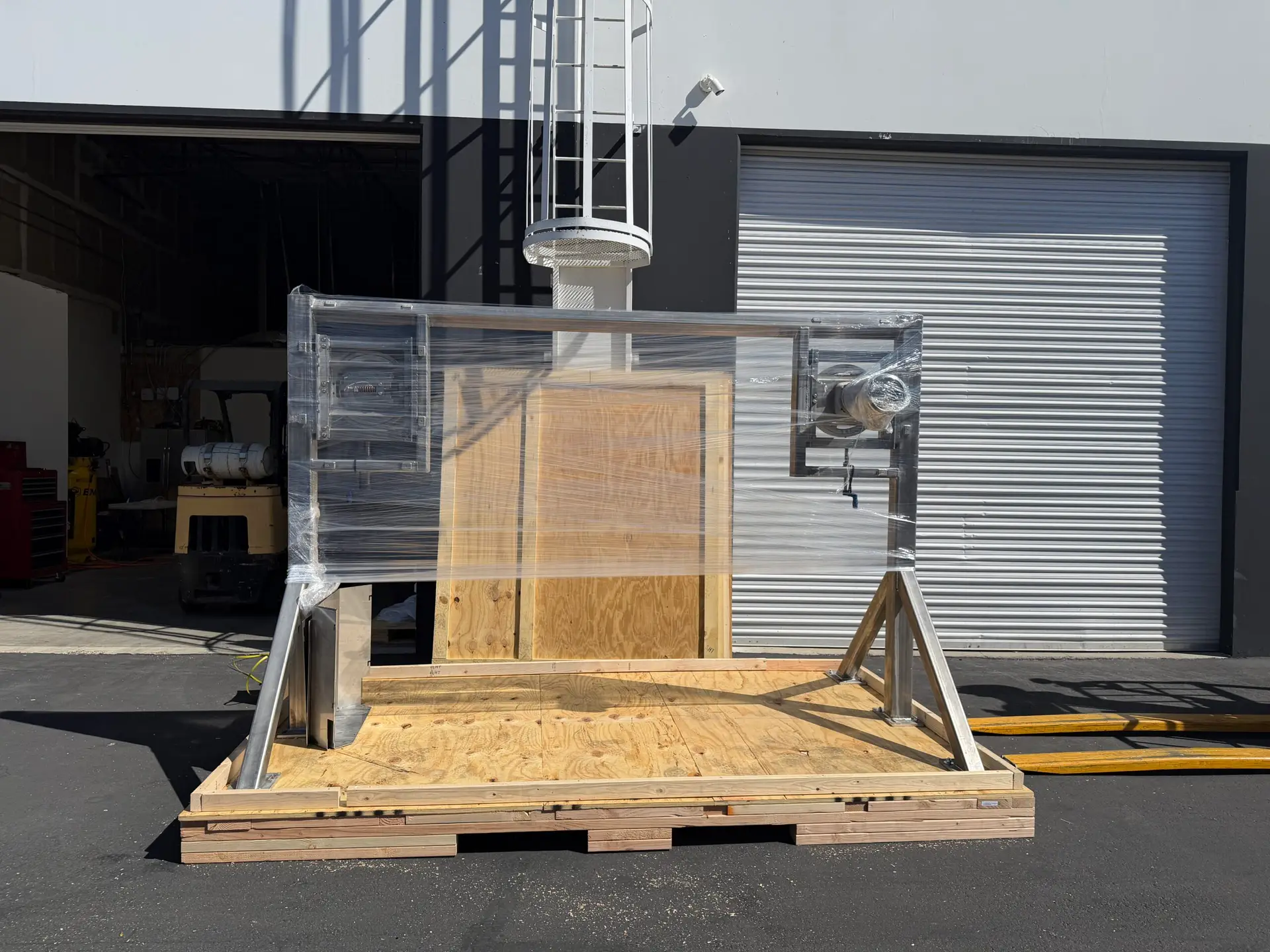
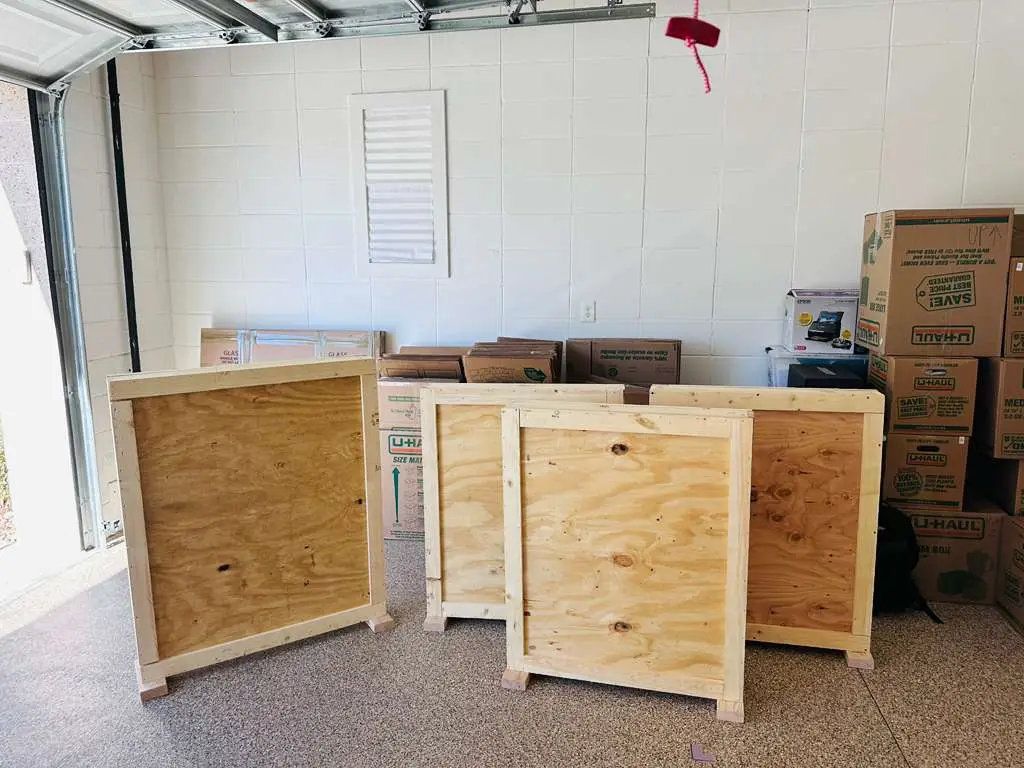
On-site crating brings the packing and assembly work to the item’s location. It can be useful when moving an unprotected machine, sculpture, or exhibit to a workshop would add difficulty. The decision should account for the workspace, lifting plan, and the completed crate’s route out of the building.
When on-site work is worth considering
- Large or unusually shaped objects that are difficult to transport unpacked.
- Fragile items that need supports fitted before further handling.
- Equipment that requires coordination with technicians or riggers at its existing location.
- Exhibit components that must be packed during an approved move-out window.
On-site crating is an option, not an automatic requirement for heavy or export-bound cargo. Compare it with off-site packing or delivery of a prefabricated crate. The safer and more practical approach depends on the asset, access, and services available.
Survey the whole handling route
Measure door openings, corridors, turns, elevator dimensions and limits, ramps, and dock access. Include the crate base, walls, cushioning clearances, and lifting equipment in the plan. A crate built around an object may be larger than the opening through which that object originally entered.
| Site detail | Why it affects the job |
|---|---|
| Work area | Room for personnel, panels, tools and safe access |
| Exit route | Clearance for the completed load and equipment |
| Floor and lift limits | Suitability for equipment and concentrated loads |
| Operating restrictions | Permitted work times, dust, noise and security requirements |
| Loading arrangements | Dock, forklift, truck access and collection appointment |
Fixed equipment must be disconnected and released by the appropriate personnel. Do not assume a crating crew also performs electrical, plumbing, medical-device, or specialist rigging work.
Follow a defined on-site workflow
- Review the item, photos, dimensions, weight, and handling instructions.
- Survey access and agree the work area, schedule, and responsible parties.
- Approve a design with suitable base, restraint, cushioning, and opening method.
- Prepare the item and assemble or fit the crate on site.
- Inspect the packed arrangement, photograph it, and confirm labels.
- Hand off to the carrier with the agreed documents and receiving instructions.
Some components may be prefabricated elsewhere. Ask what work will happen on site and what conditions the crew requires. Confirm when the load will be ready rather than assuming a same-day finish.
Match supports and protection to the cargo
Machinery needs a base and restraints suited to its approved support and attachment points. Sculptures require clearances around projections and suitable contact materials. Medical equipment must follow the manufacturer’s relocation instructions and the facility’s preparation requirements.
Cushioning, shock or tilt indicators, barriers, and tamper-evident closures should answer a stated need. They do not guarantee damage prevention, theft prevention, calibration, or sterility. Document who can approve the finished pack and how it should be opened.
Confirm export requirements before assembly
Regulated solid-wood export packaging requires the appropriate treatment-and-marking arrangements. Under USDA APHIS guidance, compliant manufacture and marking operate through approved programs. Purchasing an HT board does not authorize any crew to stamp a completed crate.
Give the provider the destination and planned route early. Ask who supplies compliant components, applies authorized marks, and reviews additions or repairs. On-site construction is not inherently more compliant than workshop construction; both need the correct process.
Compare costs, responsibilities, and provider experience
Price depends on size, weight, supports, materials, site labor, mobilization, access restrictions, and any specialist lifting equipment. Ask for a clear distinction between crating, item preparation, rigging, freight, and delivery. Avoid assuming that avoiding a workshop trip always lowers the total cost.
- Request examples of similar work and ask what services were actually performed.
- Confirm availability, service area, and site requirements.
- Ask about relevant liability and coverage terms without treating a certificate of insurance as complete shipment coverage.
- Identify responsibility for delays, changed dimensions, and work outside the quoted scope.
Plan repeat use and maintenance
If the item will travel again, request a practical opening method, replaceable inserts, labeled parts, and repacking instructions. Determine where the empty crate will be stored and how its condition will be checked. Ask for evidence behind any sourcing or environmental claim.
For venue work, use the current exhibitor or facility rules to determine who may pack, move, or load the crate. Local proximity is helpful only if the proposed crew, equipment, and timing suit the specific job.
PLAN YOUR CRATING
Request an on-site crating assessment
Provide item photos, dimensions, weight, site access information, destination, and deadlines. Include any preparation, rigging, or venue restrictions so the quote can assign responsibilities clearly. Contact Crates of Las Vegas to discuss the scope, availability, and quote.
Discuss your crating projectMORE CRATING GUIDES