Crates of Las Vegas Journal
On-Site Crating: Reduce Extra Moves and Plan the Pickup
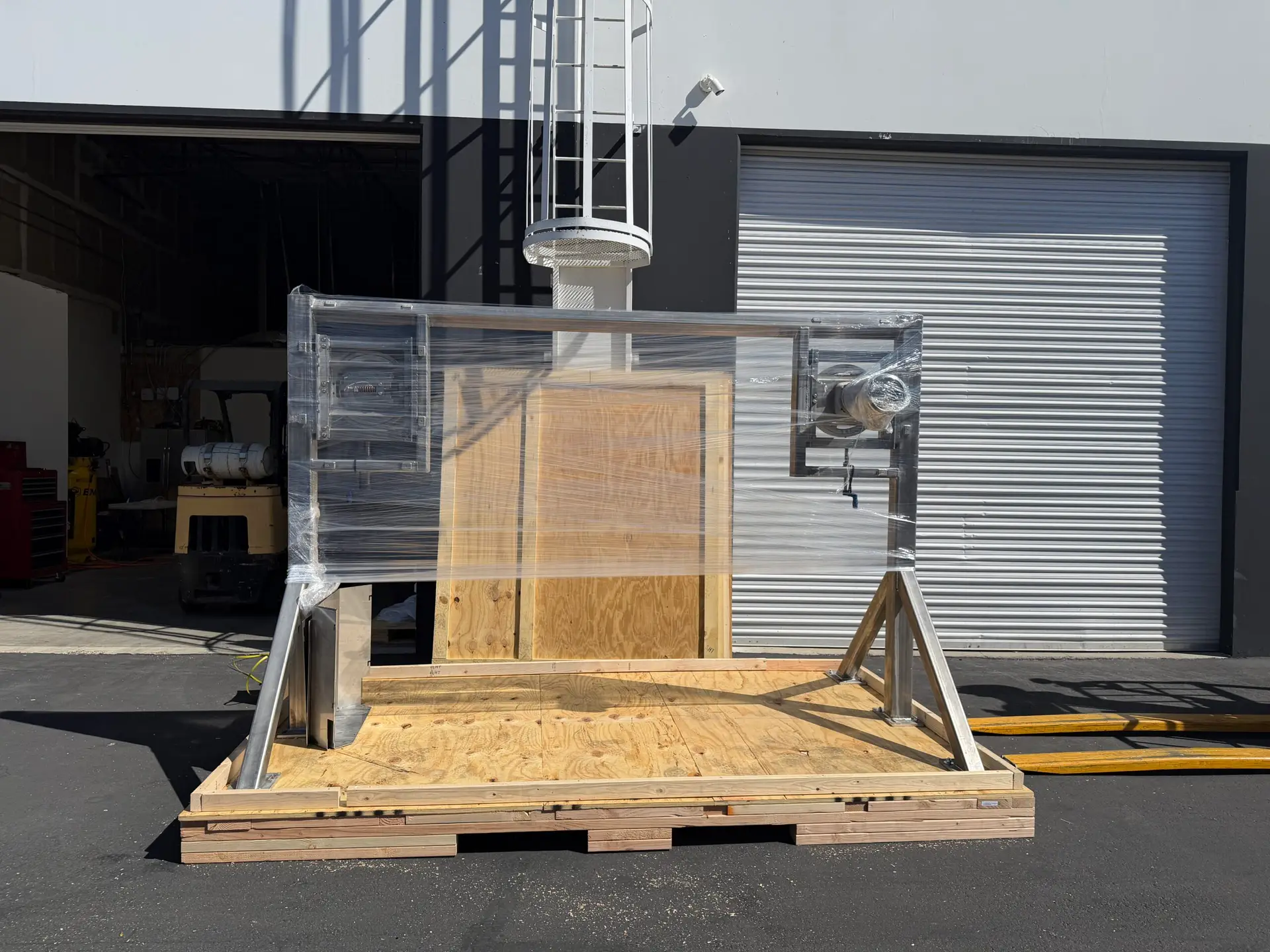
On-site crating can be useful when an item is best packed before it leaves its current location. For a fragile artwork, large fixture or awkward machine, that can remove the need for an unprotected trip to a separate packing facility.

The work still needs a schedule, suitable space and a loading plan. Confirm those details with the provider rather than assuming on-site work is automatically available or can be completed the same day.
Decide which movements can be avoided
Map the item’s path from its current position to the vehicle. Identify narrow exits, stairs, restricted loading areas or vulnerable surfaces that affect the move. Then discuss where the crate can be assembled and closed.
Packing on location may reduce one transport step, but the item may still need repositioning or lifting. Qualified handlers should confirm how those movements will be performed. A crate does not make an unsuitable access route or lifting method safe.
Set a realistic work and pickup window
Provide the target collection date and any property or venue working hours. Ask the provider to confirm the time needed for measurements, materials, construction and packing. Site restrictions or incomplete item preparation can affect that plan.
Crates of Las Vegas describes on-location crating. Confirm availability and the project scope directly. Schedule the carrier around the agreed packing window and leave a way to communicate if the work or collection arrangements change.
Keep custom design requirements explicit
Give the crate builder the item’s dimensions, weight, permitted orientation and approved support points. Include manufacturer instructions for machinery or electronics and any specialist packing requirements for artwork.
Ask how the interior will be arranged and which panels will open at the destination. For an export, raise the wood-packaging treatment and marking question before the work begins. Location alone does not change those requirements or establish the crate’s performance.
Compare the full cost of the alternatives
On-site work may avoid a separate transport leg, while travel, site labor and access limitations can affect its price. Compare a complete on-site quote with the cost of taking the item to a workshop.
- Confirm preparation and disconnection responsibilities.
- Identify required loading equipment and operators.
- Establish who supplies the inventory and photographs.
- Check whether cleanup and material removal are included.
- Confirm which transport services must be booked separately.
This comparison is more useful than assuming that on-site crating always lowers labor, fuel and damage costs.
Plan reuse and site cleanup
If the crate will be used again, discuss suitable closures and provide a packing record for the next team. Include the return route, storage space and an inspection before reuse.
Ask which leftover materials can be recovered and who removes them from the site. Confirm repair or recycling services rather than treating them as included. Environmental benefits depend on the actual material use and journeys avoided.
PLAN YOUR CRATING
Arrange an on-site crating discussion
Send Crates of Las Vegas the item photographs, measurements, location and access details. Include the pickup deadline and ask the team to confirm feasibility, timing and the work needed before arrival.
Discuss Your Crating ProjectMORE CRATING GUIDES