


LAS VEGAS · CRATING GUIDE
Planning Wood Crates for Road Transport from Las Vegas
Wood crates are one option for cargo that needs a purpose-built enclosure and support arrangement. Their usefulness on a road shipment depends on the specific item, package construction and handling plan.
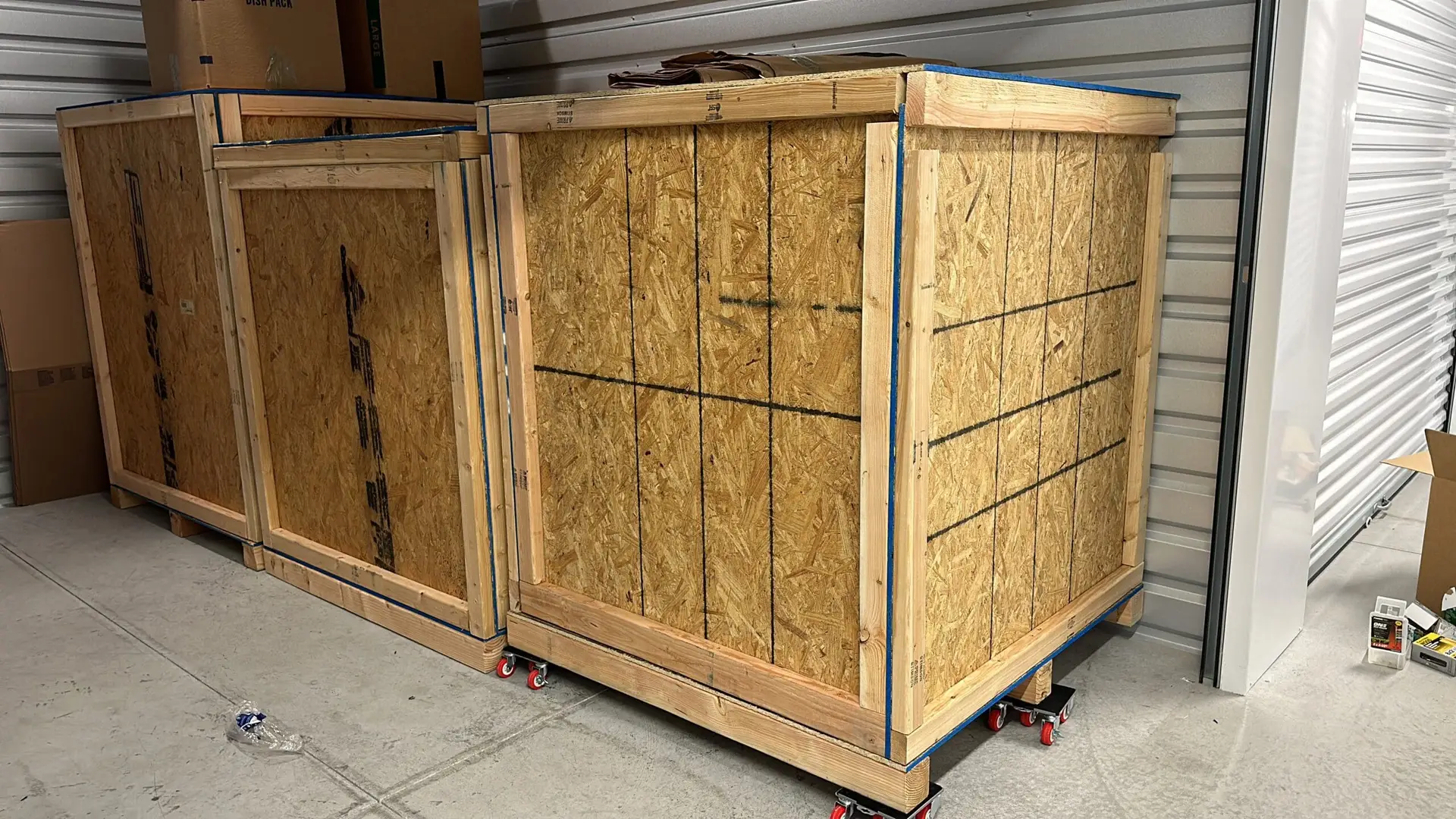
For glassware, electronics or heavy equipment moving from Las Vegas, assess the full journey. A crate can reduce particular risks when designed appropriately, but it cannot make a shipment immune to accidents, poor handling or unsuitable environmental conditions.
Specify the load before choosing the construction
Provide the item's dimensions, weight and transport orientation. Identify protrusions, fragile surfaces and approved lifting or support points. Include the manufacturer's preparation instructions when available.
Ask the builder how the load will be supported and how the crate will be handled. The base, fasteners, panels and closure need to suit the design. A material's reputation for strength does not replace a review of the completed package.
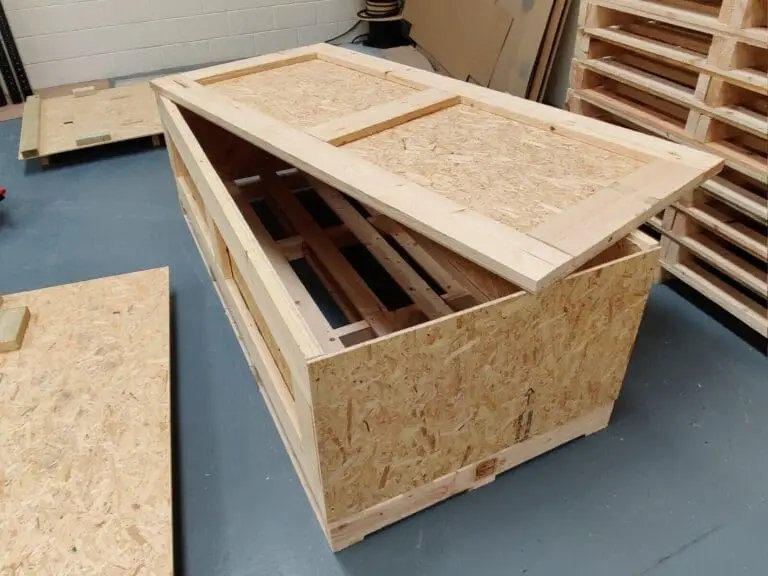
Address protection inside the enclosure
Describe what could be damaged and how. Delicate finishes, projecting controls and separate glass components may require different treatment. Discuss the intended contact points and the interior packing arrangement rather than treating empty space as the only problem to solve.
For a reusable crate, keep photographs of that arrangement and identify removable supports. Have changes to the load reviewed before the crate travels again. Fitting inside the box does not establish that a replacement item is properly supported.
Plan the Las Vegas collection and destination
Confirm access, receiving appointments and the available loading equipment. Give the carrier the finished packed dimensions and weight. Ask who is responsible for moving the shipment beyond the unloading point.
- Identify the collection contact and loading location.
- Check vehicle and handling access at both addresses.
- Share any orientation or stacking restrictions.
- Confirm any required environmental conditions with the transport provider.
- Give the receiver the packing list and opening instructions.
For heat-sensitive cargo, obtain the relevant limits from the manufacturer or owner. A standard wood crate is not an actively cooled transport system.

Compare crates with other packaging choices
A crate is not the only way to prepare a shipment. The FedEx freight guide covers pallets, crates, freight boxes and transit cases. Select an option that fits the cargo and the chosen service's requirements.
Compare the complete scope, including interior protection, packing labor and handling. Do not assume that corrugated packaging is always inadequate or that a heavier wooden enclosure always provides better protection.
When comparing standard and custom crate options, use our shipping crate selection guide to review fit, support and access.
Prepare a clear warehouse-to-receiver handover
Record the item's condition and the finished packing arrangement before closure. Keep the shipment reference, crate identifier and receiving details consistent across the documents and labels.
- Check the cargo inventory and agreed packing plan.
- Confirm the finished package specifications.
- Review the transport booking and delivery contact.
- Give the receiver instructions for opening and inspection.
- Retain the records and follow the carrier's reporting process if a problem is found.
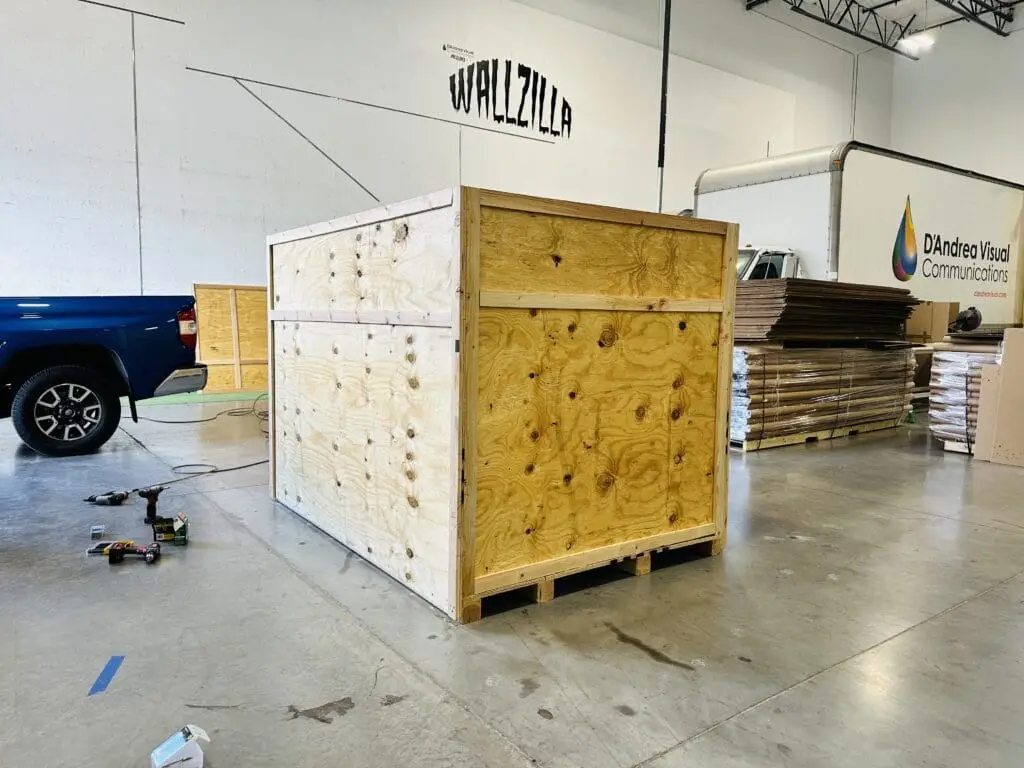
PLAN YOUR CRATING
Discuss your road-shipment crate
Send Crates of Las Vegas the cargo details and route. Include handling restrictions and receiving arrangements so the team can review the packaging needs and clarify the construction and packing scope.
Discuss your crate projectMORE CRATING GUIDES




