


Crates of Las Vegas Journal
Custom Crating for Medical Equipment in Las Vegas
Medical equipment can combine substantial weight with delicate electronics, optics or moving assemblies. A useful crating plan accounts for those characteristics and for the people responsible for preparing and receiving the device.
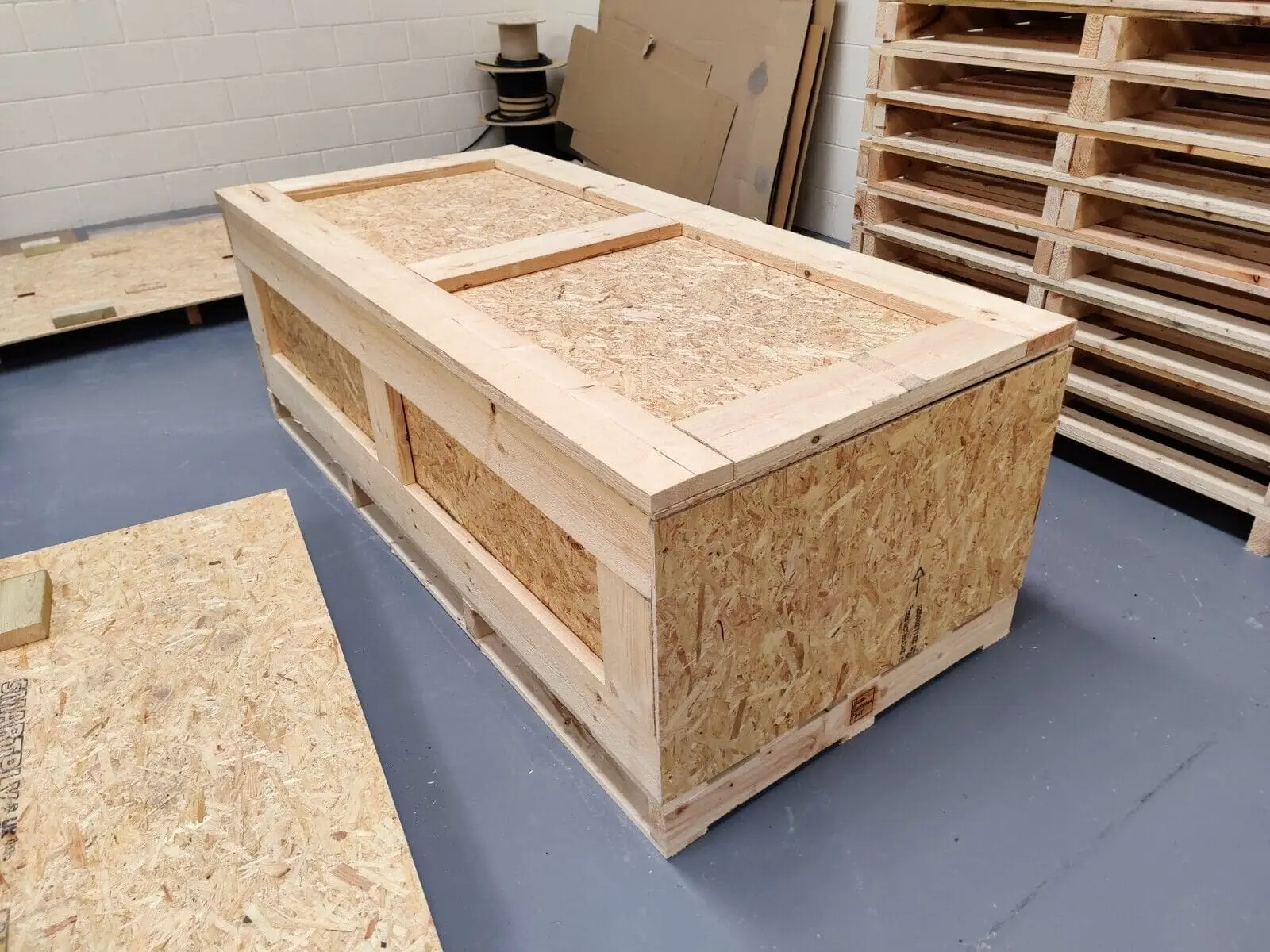
For a Las Vegas hospital, clinic or laboratory move, begin with the equipment manufacturer’s requirements. A custom crate is one part of the relocation process; it does not establish that a device is calibrated, decontaminated or ready for clinical use after delivery.
Define the equipment and preparation requirements
Provide the model, dimensions, weight and transport orientation, along with photographs and the manufacturer’s packing instructions. Imaging systems, laboratory analyzers and surgical equipment should not be treated as interchangeable loads.
Ask the equipment owner to identify any specialist work required before packing. Large systems can involve disassembly, transport locks or other preparation that needs qualified personnel. Confirm who performs and signs off that work before the crate builder begins.
Design supports around approved contact points
The crate’s base and interior need to support the equipment at appropriate locations. Identify projecting controls, screens, cables and removable accessories that require separate protection. Avoid choosing restraints solely from the outside dimensions.
Discuss cushioning, barriers and any device-specific environmental limits with the manufacturer or responsible specialist. For ESD-sensitive components, suitable protective packaging is a separate consideration from ordinary padding. EOS/ESD Association guidance explains that protective properties depend on the device and handling environment.
Plan transport, storage and receiving
Record the complete route, including any storage period. Confirm door and lift access, loading facilities and the handling equipment available at the destination before finalizing the crate’s dimensions.
- Name the person responsible for shutdown and preparation.
- Agree who packs the accessories and maintains the inventory.
- Confirm the carrier’s packed-size and handling requirements.
- Identify the receiving team and any specialist unloading arrangements.
- Schedule the manufacturer-required checks before the equipment is returned to service.
A crate can help organize this handover, but it cannot replace a commissioning procedure or guarantee uninterrupted clinical operations.
Keep compliance questions separate
ISPM 15 concerns regulated wood packaging in international trade. If relevant to the destination, ask the crate provider about treatment and marking. Medical-device import rules, documentation and any requirements related to the contents need their own review by the responsible parties.
Avoid assuming that shrink wrap establishes sterility, that insulation provides active temperature control, or that a treatment mark certifies the equipment. Any special requirement should be written into the scope and confirmed by the appropriate specialist.
Evaluate cost and repeat use
Compare the complete move, including specialist preparation, crating, freight and receiving checks. A low initial packaging quote may exclude work that the equipment still requires.
For demonstration or training equipment that travels repeatedly, consider a reusable crate with documented interior placement. Inspect closures and supports before each trip and reassess the design if components change. Recovery and storage costs belong in the reuse comparison.
PLAN YOUR CRATING
Discuss the packaging scope for your device
Contact Crates of Las Vegas with the equipment details, manufacturer instructions, locations and target schedule. Ask the team to confirm the crating work available and coordinate the remaining preparation and receiving tasks with your equipment specialists.
Discuss Your Crating ProjectMORE CRATING GUIDES




