LAS VEGAS · CRATING GUIDE
Custom Crating for Medical Equipment: Moving Checklist
Medical equipment crating starts with the device's requirements. A suitable crate can provide structural support and protection during transport, but the move also needs preparation by the equipment owner, manufacturer or qualified service team. Packing alone cannot confirm that a device is ready for clinical use after delivery.
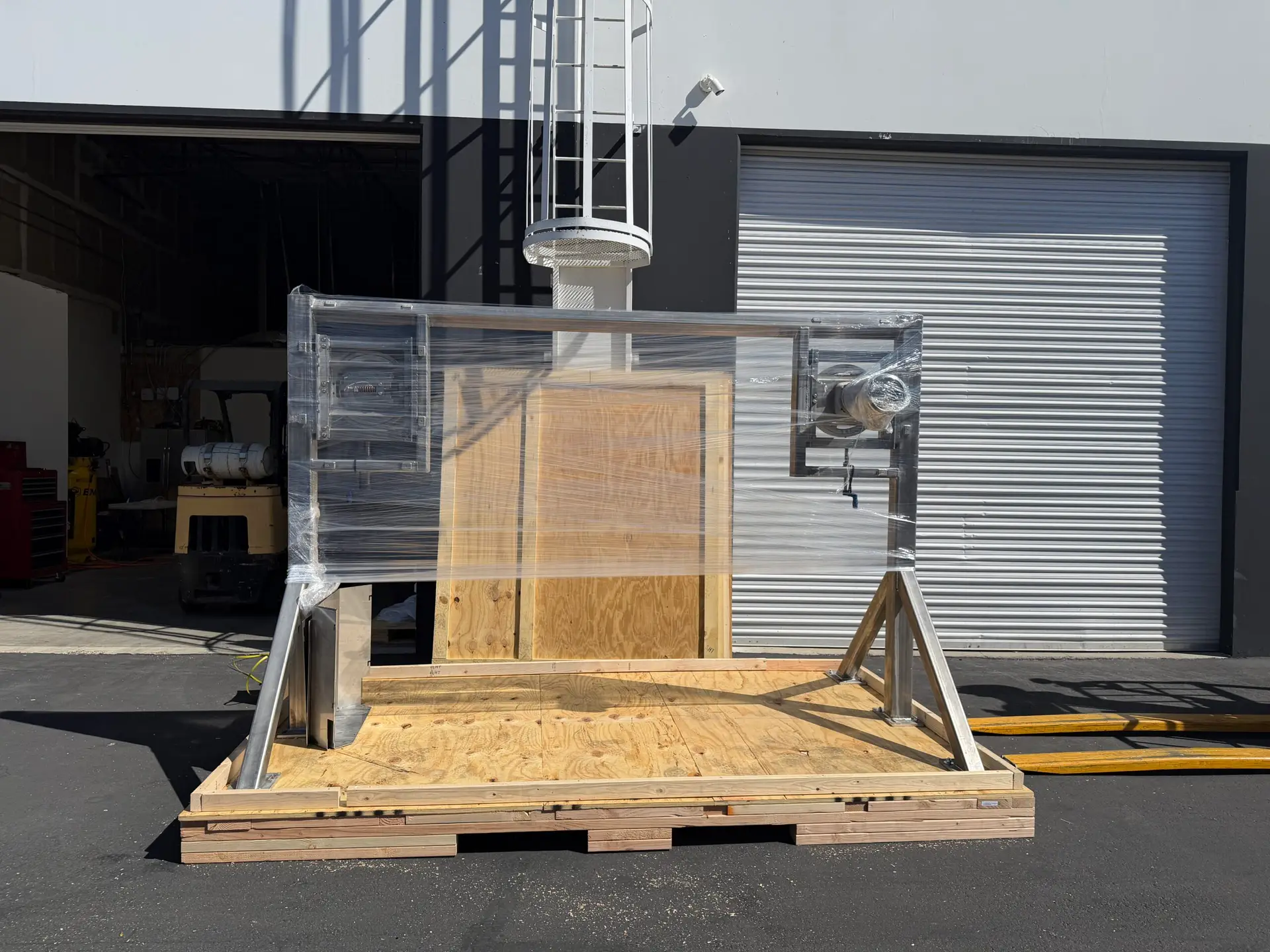
Before requesting a quote, collect the model details, dimensions, weight and available transport instructions. Identify who is responsible for preparation, loading, unpacking and any checks needed before the equipment returns to service.
Start with manufacturer transport instructions
Different devices have different sensitivities. Ask the manufacturer or service provider to identify approved shipping positions, support points, removable components and required preparation. Do not assume that an instruction suitable for one machine applies to another model.
- Provide the equipment model and any original shipping or handling documents.
- Identify delicate screens, probes, connectors and projecting parts.
- Confirm which components must be removed or secured by qualified personnel.
- Tell the provider about batteries, liquids or other contents that may affect transport arrangements.
The facility should address cleaning, decontamination and any protected information before releasing the equipment, using its own procedures and the manufacturer's guidance.
Combine restraint with appropriate cushioning
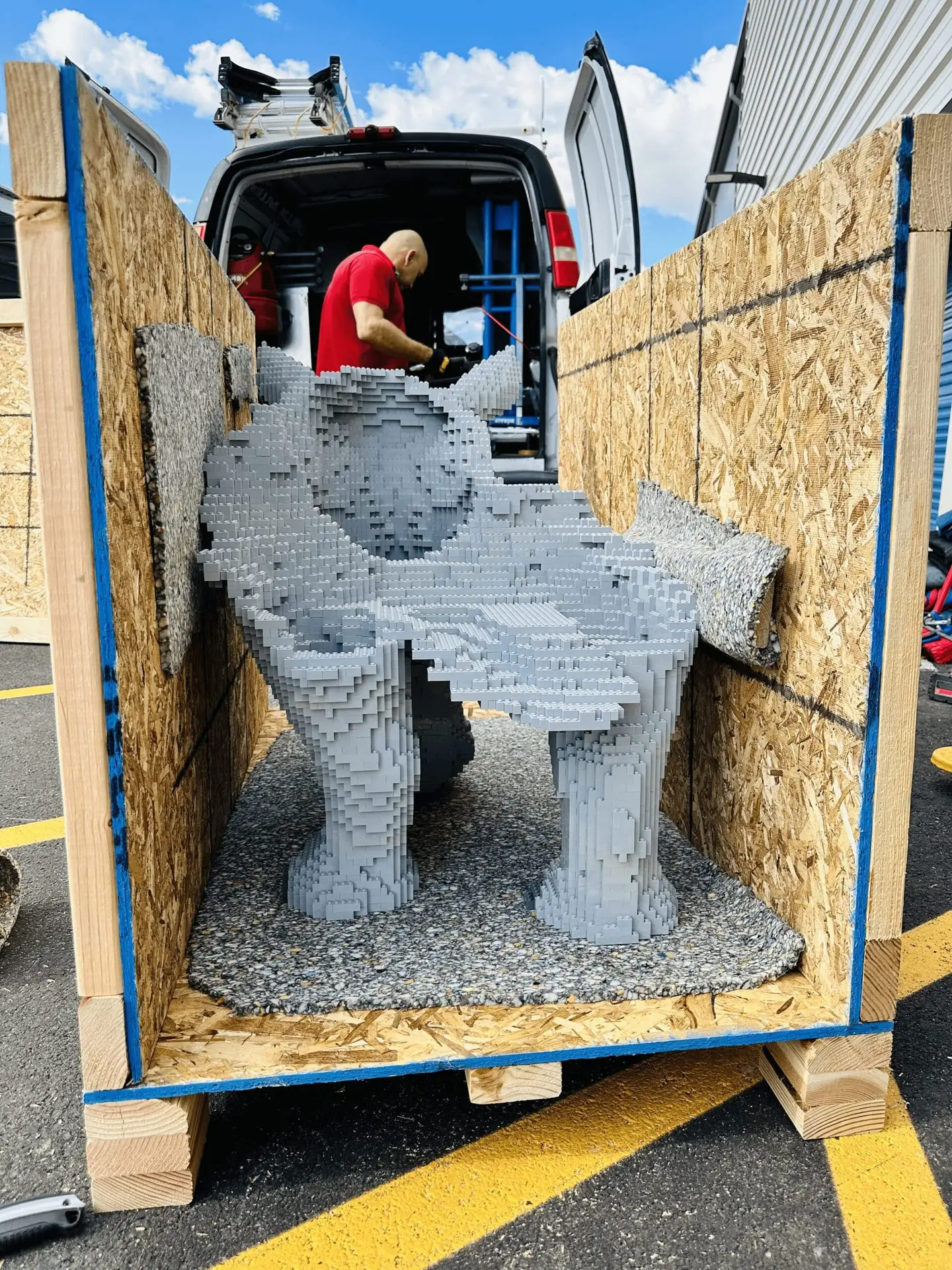
A custom crate should account for the equipment's weight and shape as well as its outer dimensions. Supports need to act on suitable load-bearing points, while cushioning and surface protection need to suit the protected components. Loose accessories should be separated and listed.
A close-fitting enclosure does not mean every surface should be tightly compressed. The packing design needs the clearances and materials required for the device, with a plan for opening the crate without damaging its contents.
Specify environmental needs separately
If the equipment has temperature or humidity limits, provide those limits and ask how they will be maintained throughout pickup, transport, storage and delivery. A wooden crate alone does not provide active climate control.
Discuss any moisture barrier, cushioning or monitoring requirements as part of the overall transport plan. Avoid assuming that a generic coating or extra padding meets the manufacturer's environmental specifications.
Separate packaging compliance from device requirements
For an international move, confirm destination requirements with the freight provider or customs broker. Wood-packaging treatment and marking under ISPM 15 is one possible requirement; it does not certify the medical device or its performance. APHIS explains the export wood-packaging process.
Keep responsibility for device-specific documents and any regulated contents clearly assigned. Crating should be coordinated with those requirements rather than treated as proof that the whole shipment complies.
Plan the receiving end before pickup
Compare the finished crate dimensions with doors, elevators and the loading route at both locations. Confirm suitable handling equipment and who will unpack the device. A clear handoff can reduce avoidable delays, though crating does not guarantee a faster shipment.
- Document the equipment and accessories before packing.
- Confirm the approved crate-opening and removal sequence.
- Schedule the appropriate receiving and service personnel.
- Have the responsible team complete any inspection, installation, calibration or functional checks required before use.
PLAN YOUR CRATING
Discuss your medical equipment shipment
Contact Crates of Las Vegas with the equipment details, manufacturer instructions, photos and destination. Include access limits and the receiving team's requirements so the packing scope can be reviewed around the actual device.
Discuss your crating projectMORE CRATING GUIDES