LAS VEGAS · CRATING GUIDE
Custom Wooden Crates for Medical Equipment in Las Vegas
Medical equipment may travel between facilities, to a service provider or to an exhibition for demonstration. The purpose of the move changes the logistics, but the device's manufacturer requirements remain central to the packing plan.
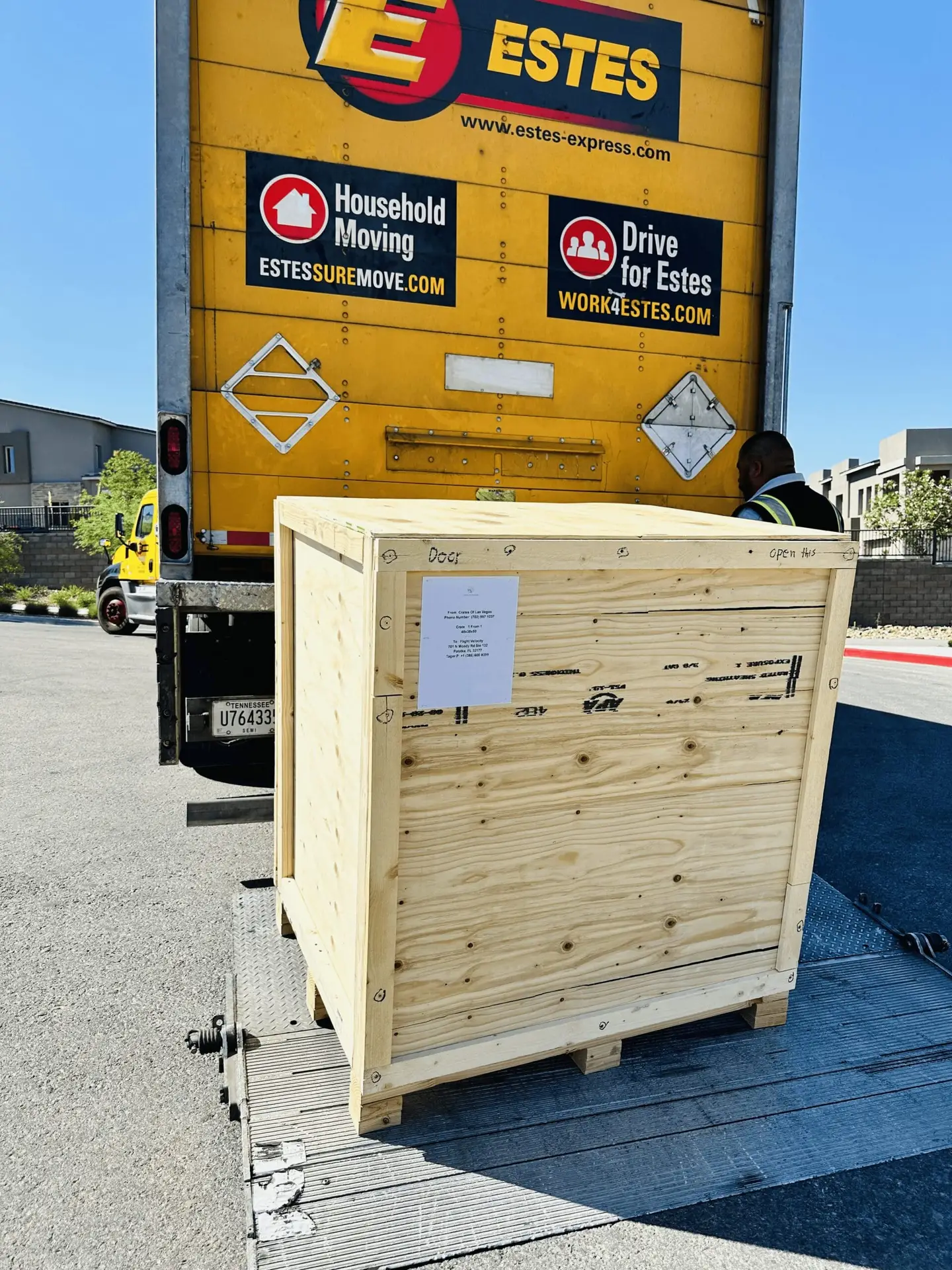
A custom wooden crate can provide a handling base and protective enclosure for appropriate equipment. The project should distinguish that freight-protection role from technical preparation, sterile packaging and release for clinical use.
Design the fit around approved support points
Record the device's dimensions and weight in its shipping configuration. Identify protruding controls, screens, removable accessories and any transport locks. Obtain approved lifting and restraint information rather than assuming the housing can carry load.
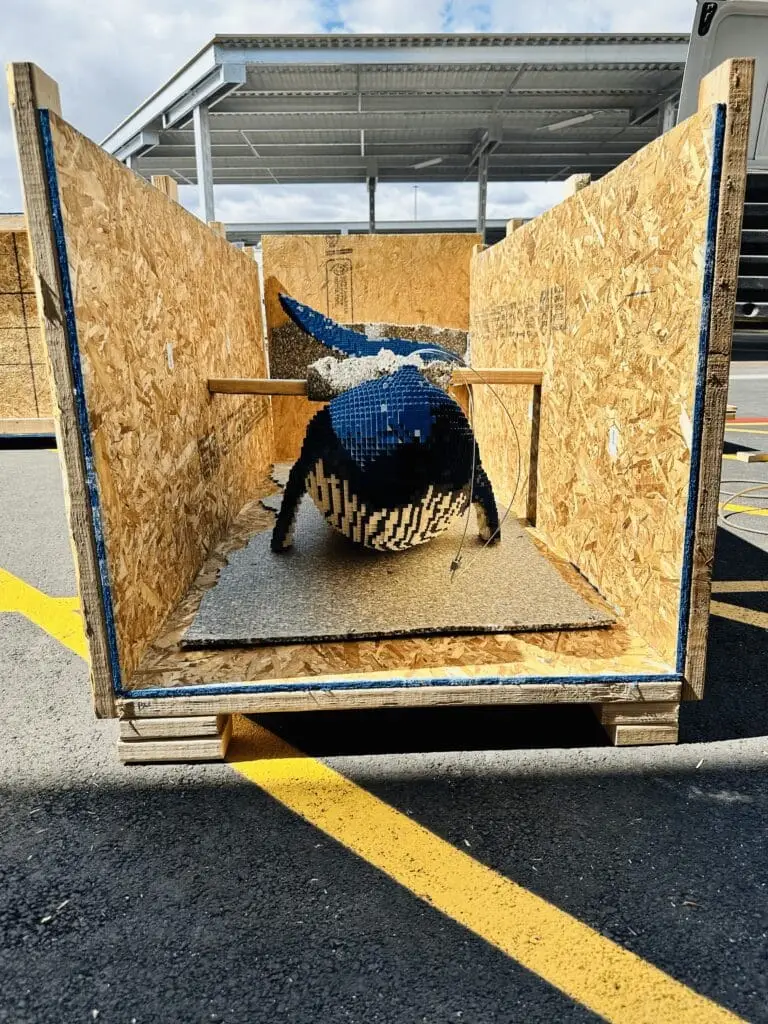
Discuss where the interior supports touch the equipment and where clearance is needed. Compartments can organize smaller components, but those parts should not be free to strike the main unit.
Match the enclosure to the handling plan
The crate base, framing and panels should suit the load and expected handling. Ask how the package will be lifted, which side opens and what equipment the destination needs.
Confirm whether stacking is permitted. A flat top, thick panel or heavy frame is not evidence of a rated stacking capacity or tested shock performance. Critical requirements should be documented and reviewed appropriately.
Treat environmental protection as a separate requirement
Get the manufacturer's transport and storage limits. Share the expected route, transfers and possible holding periods so the responsible parties can determine whether controlled transport or specialized packaging is needed.
Insulation and vapor barriers have specific functions and must be selected for the application. A sealed wood crate does not regulate temperature by itself, and a monitoring device records conditions rather than correcting them.
Plan demonstration and trade-show shipments carefully
If the equipment is going to an exhibit, include the event's receiving windows, booth identifiers and outbound requirements. Match the packing order to the setup sequence and retain an accessory inventory for repacking.
Identify who handles technical setup and any restrictions on operation at the show. Exhibition transport does not establish that a unit can be returned directly to clinical service; follow the responsible team's inspection and commissioning procedures.
Clarify compliance and optional features
- Ask for the device-specific preparation and packaging instructions.
- Confirm any required material compatibility or validated packing process.
- Specify locks, seals, removable panels or special cushioning only where needed.
- Check applicable export wood treatment and marking for the route.
- Assign inspection, installation and release responsibilities at arrival.
ISPM 15 concerns regulated wood packaging and plant-pest risk. It does not certify a medical device, demonstrate sterility or guarantee compliance with all transport and healthcare requirements.
PLAN YOUR CRATING
Discuss your equipment move
Explore medical-equipment crating with Crates of Las Vegas. Bring the device specifications, manufacturer instructions and destination details, including the show manual if this is a demonstration shipment.
Discuss your crating projectMORE CRATING GUIDES