


Crates of Las Vegas Journal
Las Vegas Trade Show Crates: Prepare for Setup and Return
A trade show crate should support the whole event cycle: outbound shipping, unloading, setup, empty storage and return packing. Designing for those stages can help an exhibit team work from a consistent plan.
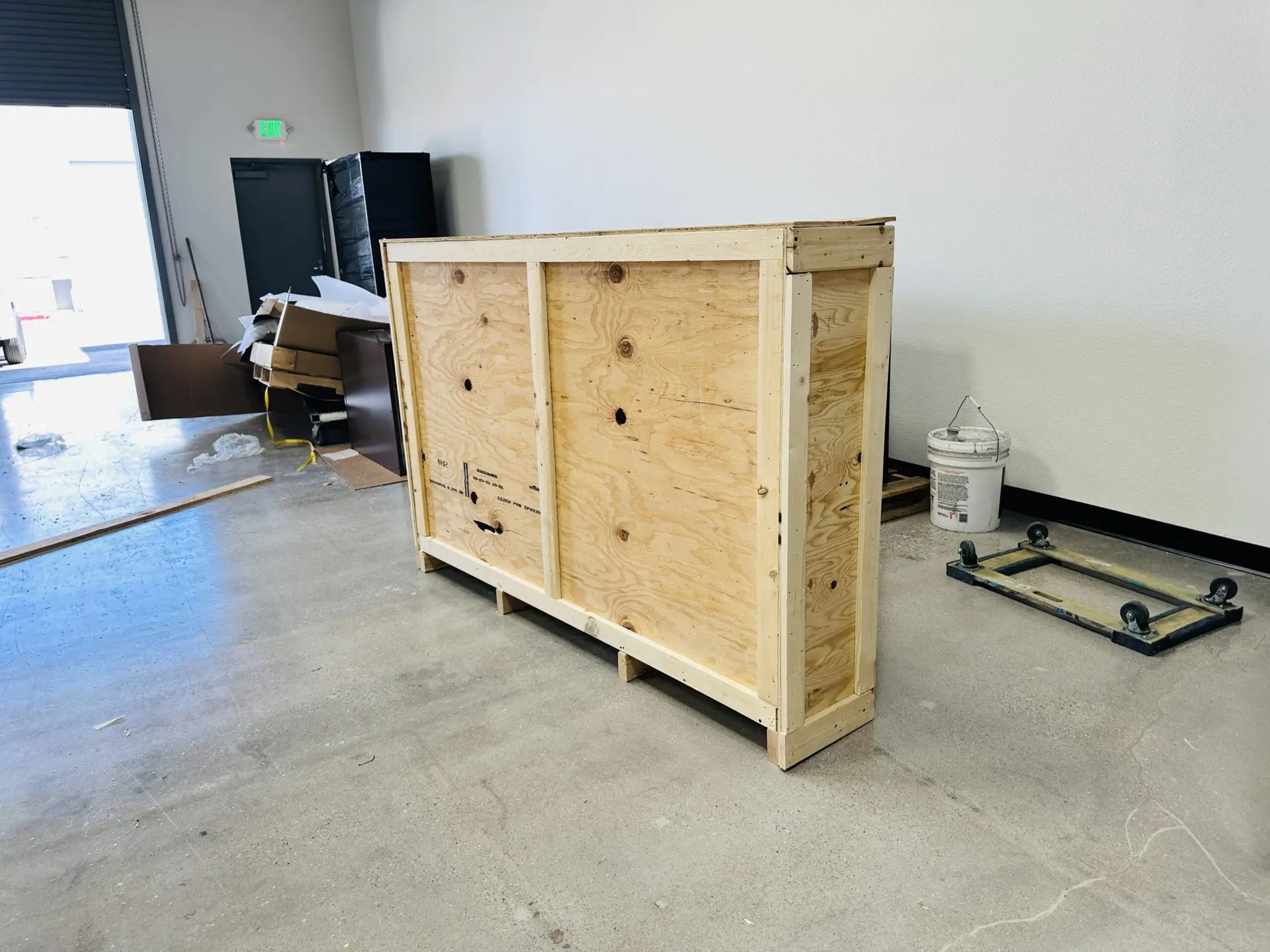
Las Vegas exhibitors may move LED displays, furniture, custom signage and product samples together. Start with a component inventory and the instructions for the specific event.
Protect high-value display components
Identify the different kinds of equipment and finishes in the shipment. Screens, printed graphics, furniture corners and projecting hardware should not be packed as if they have identical vulnerabilities.
Provide item dimensions, weights and manufacturer packing instructions where available. Discuss separate supports or compartments for parts that could damage one another. Record where accessories belong so the receiving crew can check the shipment before assembly begins.
Design around setup and teardown
List the assembly order and make early-use tools or base components accessible. Give each crate and compartment an identifier that matches the packing list. Opening panels and reusable closures should suit the available workspace and the people using them.
- Photograph the completed packing arrangement.
- Label loose hardware and group it by assembly.
- Provide a clear opening and removal sequence.
- Confirm empty-crate storage with the event service provider.
- Check the inventory and crate condition before return packing.
These steps can reduce confusion. The time actually saved depends on the display, crew and venue arrangements, so it should not be promised in advance.
Compare reuse across several shows
A recurring exhibit may justify a multiple-trip crate. Include the cost of return freight, storage, inspections and replacement parts when comparing options. A reusable crate provides value only when it is recovered and remains suitable.
If the booth changes between events, check that new parts still fit the approved support arrangement. Do not force a larger component into an existing compartment or remove essential bracing just to avoid rebuilding the package.
Make lower-waste choices specific
Reusable packaging can reduce new material demand when the system is practical. Ask suppliers to substantiate sourcing or recycled-content claims, and confirm which materials can be accepted by a local recovery facility.
Keep export treatment and marking requirements separate from environmental claims. ISPM 15 addresses regulated wood packaging and pest risks; it is not a general sustainability certification.
Match crate size to the event route
Compact sample kits and large display structures need different packages. Confirm the final packed dimensions, weights and handling requirements with the carrier and recipient. Check the event’s current receiving location, labels and deadlines directly.
Branding can make a crate identifiable, but transport labels and handling instructions must remain clear. Appropriate packaging supports the exhibit plan without guaranteeing on-time arrival, damage-free delivery or a particular show result.
PLAN YOUR CRATING
Plan crates for your exhibit schedule
Contact Crates of Las Vegas with your component inventory, photographs, planned route and event instructions. Include the return plan and any size constraints so the team can discuss a practical trade show crating scope.
Discuss Your Crating ProjectMORE CRATING GUIDES




