MEDICAL & LAB EQUIPMENT
Medical Equipment Crating: Preparation, Protection, and Handoff
Medical equipment should be prepared for shipment according to the manufacturer's instructions and the requirements of the people responsible for the device. A custom crate can provide external protection and support, but the overall plan also needs to address preparation, environmental limits, and acceptance at the destination.

For hospitals, laboratories, suppliers, and service teams, clear responsibilities are especially important. Establish who prepares the equipment, who packs it, who transports it, and who checks it before it returns to use.
Begin With Device-Specific Transport Instructions
Provide the equipment's make, model, dimensions, weight, and configuration. Obtain the manufacturer's shipping instructions and identify any approved supports, restraints, detachable accessories, or orientation restrictions. Let an authorized equipment specialist decide what must be disconnected or secured before packing.
The crate design should follow those requirements. Cushioning and blocking need to protect the device without loading fragile covers, controls, sensors, or other unsuitable parts. Keep separately packed accessories identified so they can be reconciled at receipt.
- Confirm the device's condition and transport readiness with the responsible technical team.
- Record permitted support and handling points.
- Identify accessories, documents, and detachable assemblies.
- Share receiving-site access and unloading requirements before crating begins.

Keep Cleanliness and Sterile Packaging Responsibilities Separate
An outer shipping crate can help protect the packaged equipment from handling exposure. Wood treatment used for export packaging does not sterilize a device, and a custom crate is not automatically a sterile barrier.
When a device requires sterile packaging, the responsible manufacturer or healthcare team must specify and maintain the appropriate system. The FDA's recognized standards information for medical-device packaging distinguishes sterile barrier and packaging-system requirements. Packing crews should work around the approved device packaging rather than open or replace it without authorization.
Any required cleaning, decontamination, or safe handling of previously used equipment should be resolved by the responsible facility and technical specialists before collection.
Specify Environmental Limits and the Transport Service
Ask the manufacturer what temperature, humidity, vibration, or other transport limits apply to the particular equipment. Supply those requirements to the packaging and freight providers so they can explain the proposed arrangements and their limits.
An ordinary crate does not actively regulate temperature. If environmental control or monitoring is necessary, it needs a defined packing and transport plan. Confirm storage and transfer arrangements as well as the main journey; the device may encounter different conditions at each stage.
Review Shipping Requirements for the Actual Contents
International movements may involve wood-packaging requirements, device documentation, and destination-specific restrictions. ISPM 15 guidance concerns regulated wood packaging, rather than approval of the medical device or its clinical use.
Tell the responsible carrier or specialist about any batteries, fluids, or other contents that may affect acceptance and preparation. Do not assume that enclosing the equipment in a wooden crate resolves those requirements. Agree on who prepares the documents and answers questions during transit.
Plan Receipt, Inspection, and the Full Project Cost
Set an arrival procedure with the receiving technical team. Check the package and inventory, document concerns, and follow the manufacturer's requirements for inspection, testing, or recommissioning. Arrival in a crate is not evidence that a device is ready for patient use.
Compare the full scope when reviewing quotes: device preparation, crating, packing, handling, transport, and any technical work at the destination. Efficient packaging can be useful, but a smaller or cheaper crate should not come at the expense of the device's stated requirements.
PLAN YOUR CRATING
Discuss Medical Equipment Crating in Las Vegas
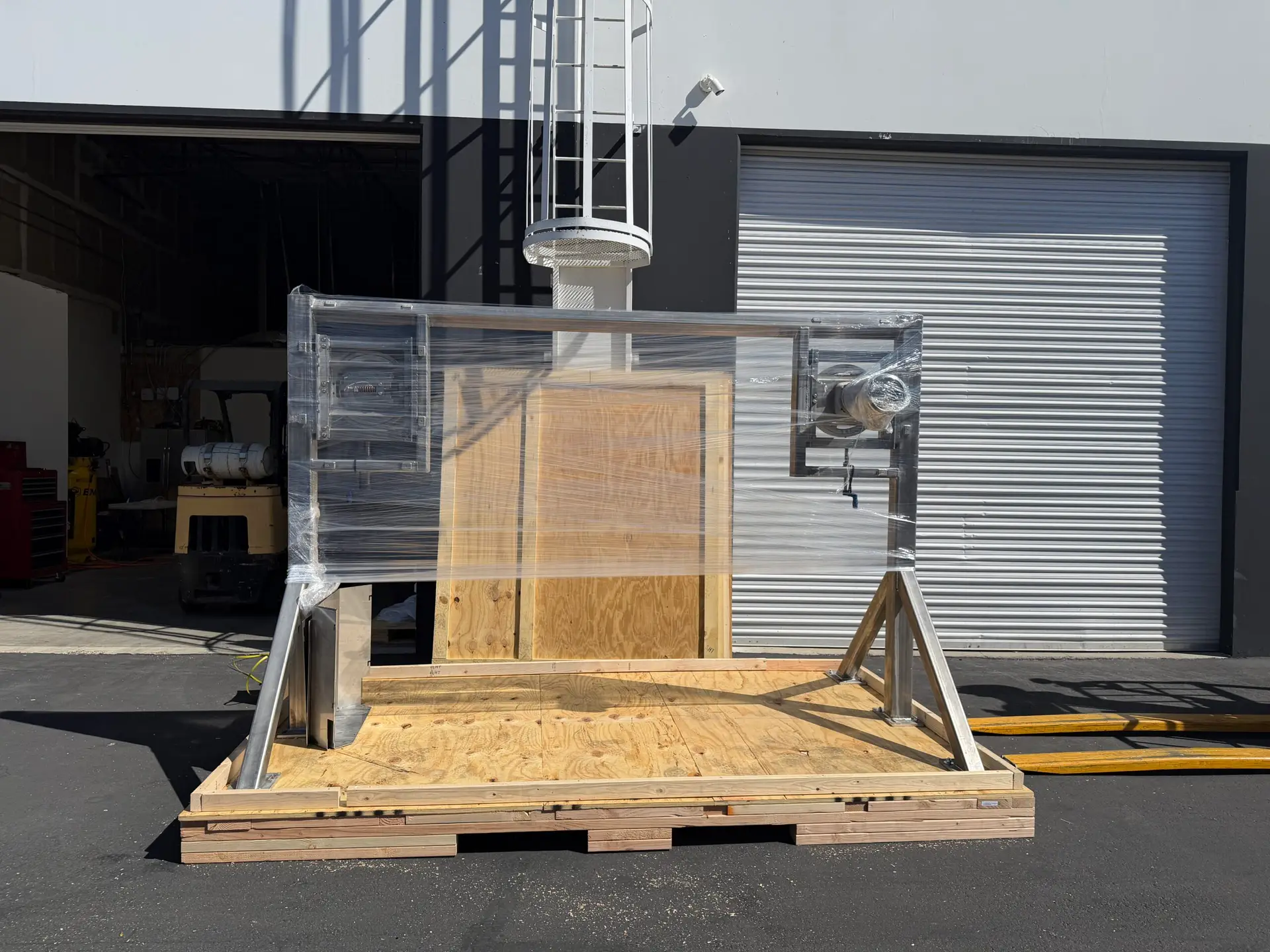
Crates of Las Vegas lists a medical equipment crating service. Share the device details, photographs, manufacturer transport instructions, destination, and timing so the project can be assessed.
Request a crating quote with the equipment preparation and receiving responsibilities clearly identified.
Request a Crating QuoteMORE CRATING GUIDES