Crates of Las Vegas Journal
Custom Wooden Crates vs. Standard Packaging in Las Vegas
Choosing between a custom wooden crate and standard packaging starts with the shipment. A small, durable item may travel well in an appropriate corrugated package. A heavy machine, unusual sculpture or repeatedly shipped display can call for a different support and enclosure design.
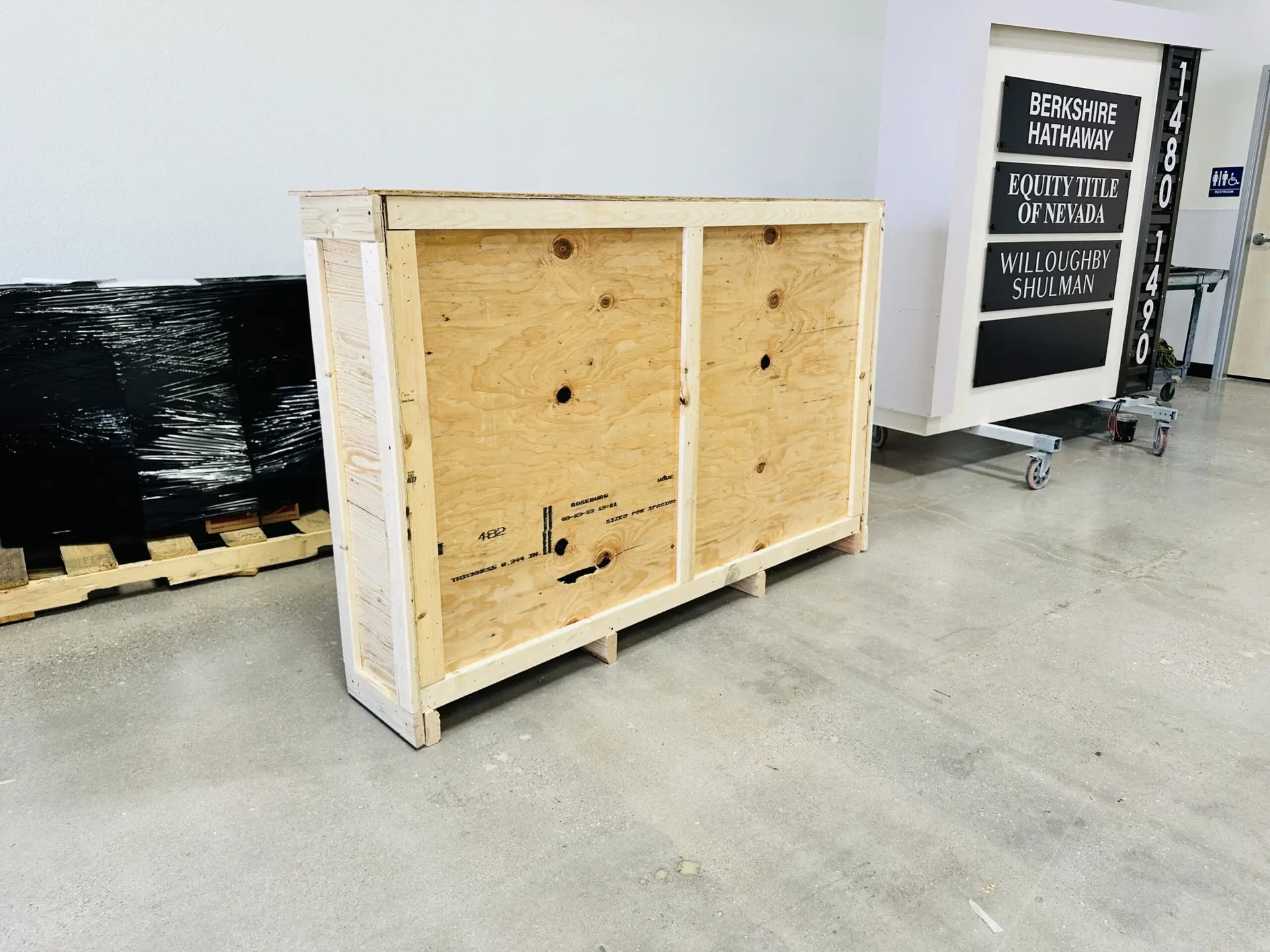
The goal is to select packaging that suits the item, route and handling conditions. Wood alone does not establish that a crate is strong enough, and a custom design should provide a clear benefit rather than simply a larger container.
Strength depends on the complete design
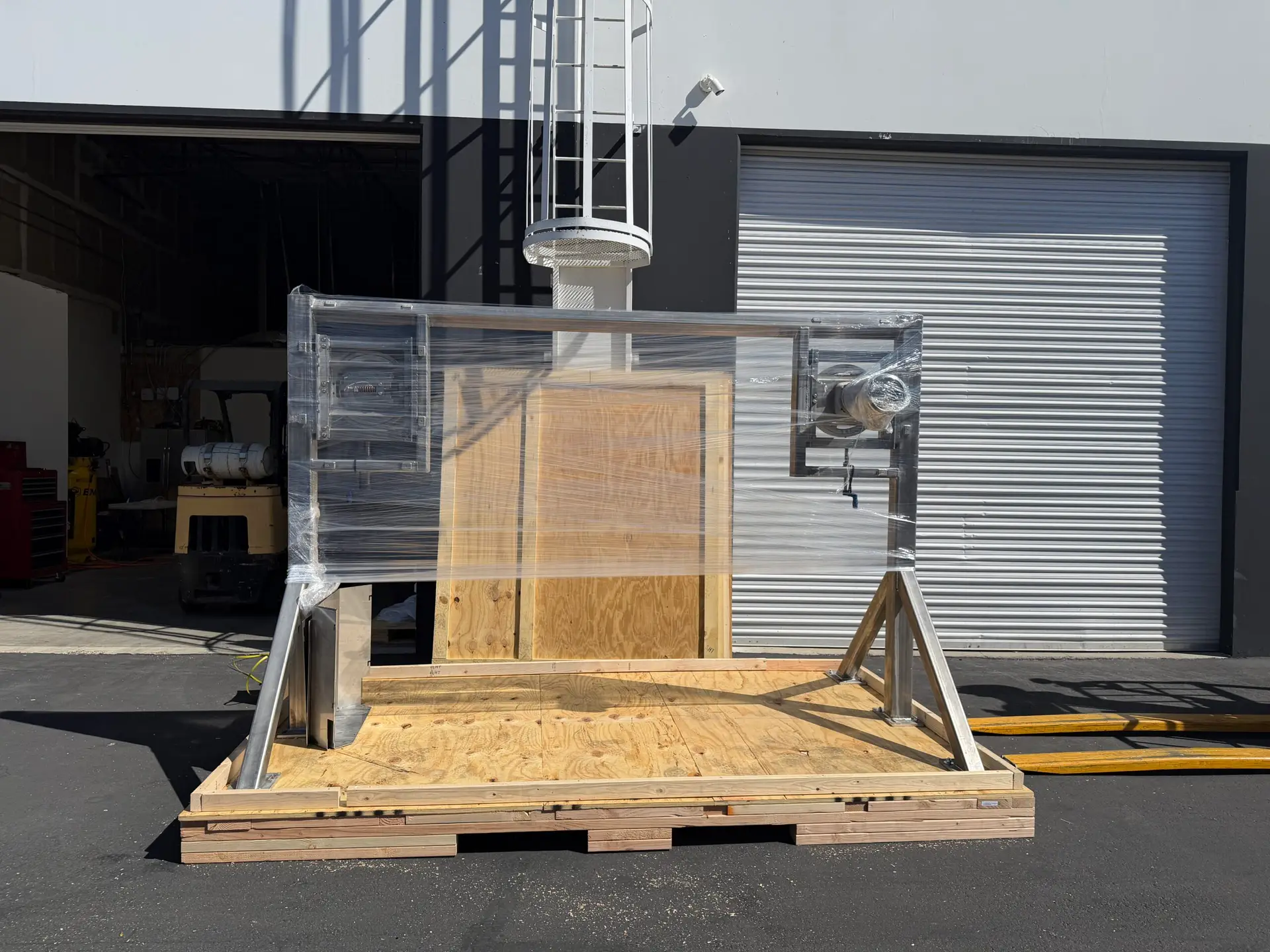
For heavy equipment, discuss how the load reaches the base and where it can safely be restrained. The panels, framing, fasteners and handling provisions need to work together. Ask for the applicable load and handling limitations instead of relying on appearances.
Standard cartons also vary in construction and performance. Compare a suitable carton or palletized package with a specified crate, rather than treating all cardboard as weak or every wooden box as heavy-duty.
Fit and interior protection
Custom dimensions allow room for an item’s shape, supports and protective materials. The correct fit may include clearance for cushioning or a removable component, so reducing all empty space is not the only objective.
Paintings and sculptures need attention to safe contact points. Electronics and medical equipment may come with manufacturer packing instructions. Insulation, barriers and wrapping should be selected for the actual material and route; additional layers are useful only when they address a defined risk.
Match features to the industry and destination
A trade show display may need repeatable opening and an organized hardware compartment. A furniture shipment may need protection for finished surfaces. Machinery may need a base designed around approved support points and available unloading equipment.
For overseas shipments, check the wood-packaging requirements separately. APHIS export guidance explains the need to confirm destination requirements. ISPM 15 treatment and marking address plant-health risks, not the crate’s structural performance or every customs requirement.
Compare lifetime costs and reuse
A custom crate usually involves design and construction work, and its weight can affect the freight quote. Compare the complete shipment cost: packing, transport, receiving, storage and any planned return trip.
Reusable packaging may be worthwhile for a stable display that travels repeatedly. It still needs a return route, storage space and inspections. Repairs or changes to the contents may require a new assessment of the supports and, for export packaging, the treatment and marking status.
Presentation should make receiving easier
Clear labels, an accurate inventory and understandable opening instructions communicate care more effectively than a decorative exterior alone. Branding can be considered if it does not obscure handling instructions, transport labels or required marks.
Before choosing a design, ask:
- What specific risk does the crate address?
- Can the recipient unload and open it safely?
- What is the final packed size and weight?
- Will it be reused, and who will inspect it?
- Which services are included in the quote?
PLAN YOUR CRATING
Compare your packaging options
Send Crates of Las Vegas the item specifications, photographs, route and repeat-use plans. Ask the team to explain the proposed custom crate and the handling requirements so you can judge its value against the other suitable packaging options.
Discuss Your Crating ProjectMORE CRATING GUIDES