Crates of Las Vegas Journal
The Practical Benefits of Custom Crates for Packaging and Transport
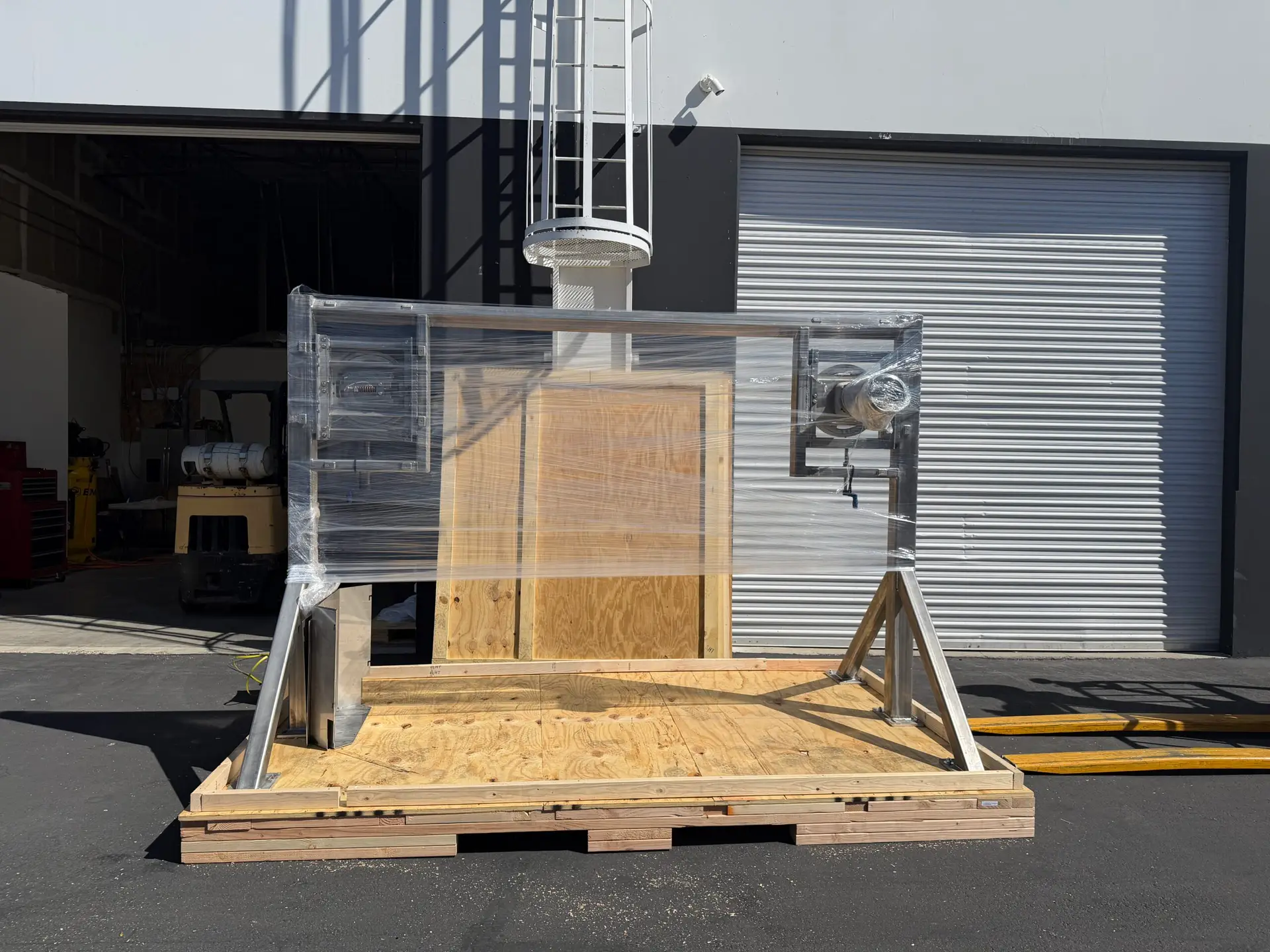
The main benefit of custom crating is the ability to specify packaging around a particular shipment. Instead of adapting the item to an unsuitable container, the design can account for its shape, support needs and intended handling.

That flexibility can be useful for artwork, equipment and exhibit components moving through Las Vegas. The value depends on the design and route, so ask which problem each proposed feature solves before choosing the package.
A fit that includes the protective interior
Good fit includes room for supports, cushioning and safe removal. Provide the full dimensions, weight and any projecting or removable parts. Identify where the item may be restrained and which surfaces should remain free of contact.
For a multi-part shipment, assigned compartments can keep accessories organized and prevent loose pieces from moving against the main item. A packing diagram also helps a recipient understand how to remove and later replace the contents.
Handling features suited to the journey
Custom construction can accommodate an appropriate base, access panels and mechanical-handling provisions. Discuss the equipment available at collection and delivery and any restrictions along the access route.
Ask for the intended load and handling limitations. A crate should not be assumed to tolerate every stacking arrangement, weather exposure or impact. Carrier guidance is specific to the service used, so confirm the finished package against the actual carrier’s requirements.
A clearer comparison of cost and risk
The price of the crate is one part of the decision. Include packing labor, freight charges, receiving work and the possible consequences of damage or a missing component. Request final packed dimensions and weight for the transport quote.
A custom design may be justified by a particular protection need even if it costs more initially. Avoid promising that every crate pays for itself. For repeat shipments, calculate storage, recovery and maintenance costs rather than counting reuse as free.
Export packaging that can be specified early
An overseas destination may require ISPM 15 treatment and marking for regulated wood packaging. Raise that question before the crate is built and ask the provider to confirm the applicable process.
The APHIS export page explains destination-based requirements. Treatment and marking concern plant-health risks; they do not establish structural quality or guarantee clearance of the goods. The forwarder should review the shipment’s separate documentation requirements.
A more understandable customer handover
Professional presentation is practical as well as visual. A recipient benefits from readable labels, an accurate inventory and opening instructions that do not require guesswork. Branding can be included if it leaves those instructions and required marks clear.
Before dispatch, review:
- The completed packing layout and condition record
- The crate identification and item inventory
- The unloading equipment and access arrangements
- The opening sequence and any specialist assistance needed
- The return or disposal plan for the packaging
These details support a consistent process while recognizing that transport and receiving remain shared responsibilities.
PLAN YOUR CRATING
Explore a custom crate for your project
Contact Crates of Las Vegas with the item specifications, photographs, route and repeat-use plans. Ask which design features are appropriate and what is included in the proposed packaging and crating work.
Discuss Your Crating ProjectMORE CRATING GUIDES