Crates of Las Vegas Journal
Custom Crates vs. Standard Packaging: How to Choose
The better packaging option depends on the item and its journey. Standard cartons, protective cases and palletized packages can work well when correctly specified. A custom wooden crate can be useful when the shipment needs different supports, dimensions or handling features.
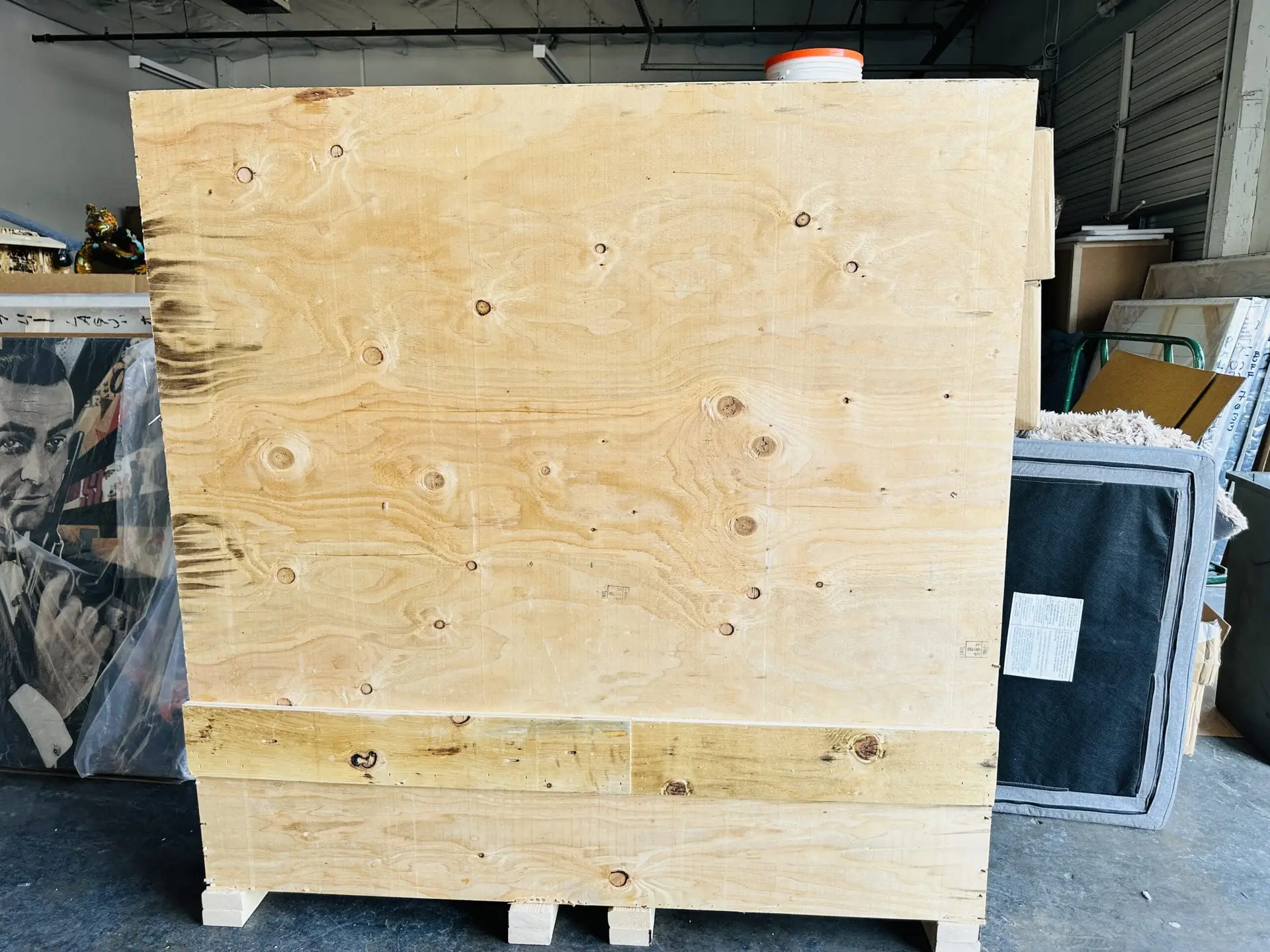
A fair comparison looks at complete packaging systems, including the interior protection. For a Las Vegas shipment, use the same cargo details and route assumptions when asking about each option.
Compare fit and support
Start with the item’s full dimensions, weight and vulnerable features. A standard package may be suitable if it allows the correct supports and protective materials. A custom crate may be preferable when the shape or approved contact points are difficult to accommodate.
Neither a snug fit nor a wooden exterior guarantees protection. Ask how the item is restrained, where loads are carried and how it will be removed. Include accessories and loose hardware in that review.
Compare durability and repeated handling
Consider the planned handling, storage and number of trips. A reusable crate can be designed with accessible panels and repeatable interior positions. A suitable standard case may also support repeat use; cardboard is not necessarily limited to one trip in every application.
For trade show materials, assess how the package supports setup and teardown. Organized compartments and an opening sequence can help the crew, but time savings depend on the actual layout and event conditions. Inspect either packaging option before reuse.
Compare total cost using the final package
Custom construction may cost more and add freight weight. Standard packaging may need additional supports or a larger footprint. Obtain final packed dimensions and weight for both proposals before comparing carrier quotes.
Include packing labor, receiving work, storage and any return trip. Damage risk and operational disruption also matter, but avoid inserting invented savings or a universal payback period. The best value is the suitable system that fits the real shipment requirements.
Understand international wood-packaging rules
ISPM 15 regulates certain wood packaging; it does not require every international shipment to use a wooden crate. Corrugated packaging is not made noncompliant simply because it lacks a wood-treatment mark. If a carton sits on a regulated solid-wood pallet, that pallet may need treatment and marking.
APHIS export guidance explains destination-based requirements. Qualifying processed-wood packaging can be exempt under the standard, while solid-wood components may remain covered. The contents and shipping documents still need their own review.
Compare the receiving experience
Readable labels, an inventory and safe opening instructions matter for both standard and custom packaging. A decorative exterior is secondary to the recipient’s ability to unload and unpack the shipment correctly.
Ask the recipient about access and handling equipment before selecting the package. If a return is planned, include instructions and a place for every reusable component. Good presentation comes from a considered handover rather than the packaging material alone.
PLAN YOUR CRATING
Request a shipment-specific comparison
Send Crates of Las Vegas the item details, photographs, route and repeat-use plans. Ask the team to explain what a custom crate would add so you can compare it with other suitable packaging on the same basis.
Discuss Your Crating ProjectMORE CRATING GUIDES