Crates of Las Vegas Journal
Custom Crates for Electronics and Antiques in Las Vegas
Electronics and antiques can both be fragile, but they do not necessarily need the same packing materials. A device may have manufacturer transport limits or electrostatic-discharge requirements; an antique may have an unstable finish, loose joints or projecting ornament.
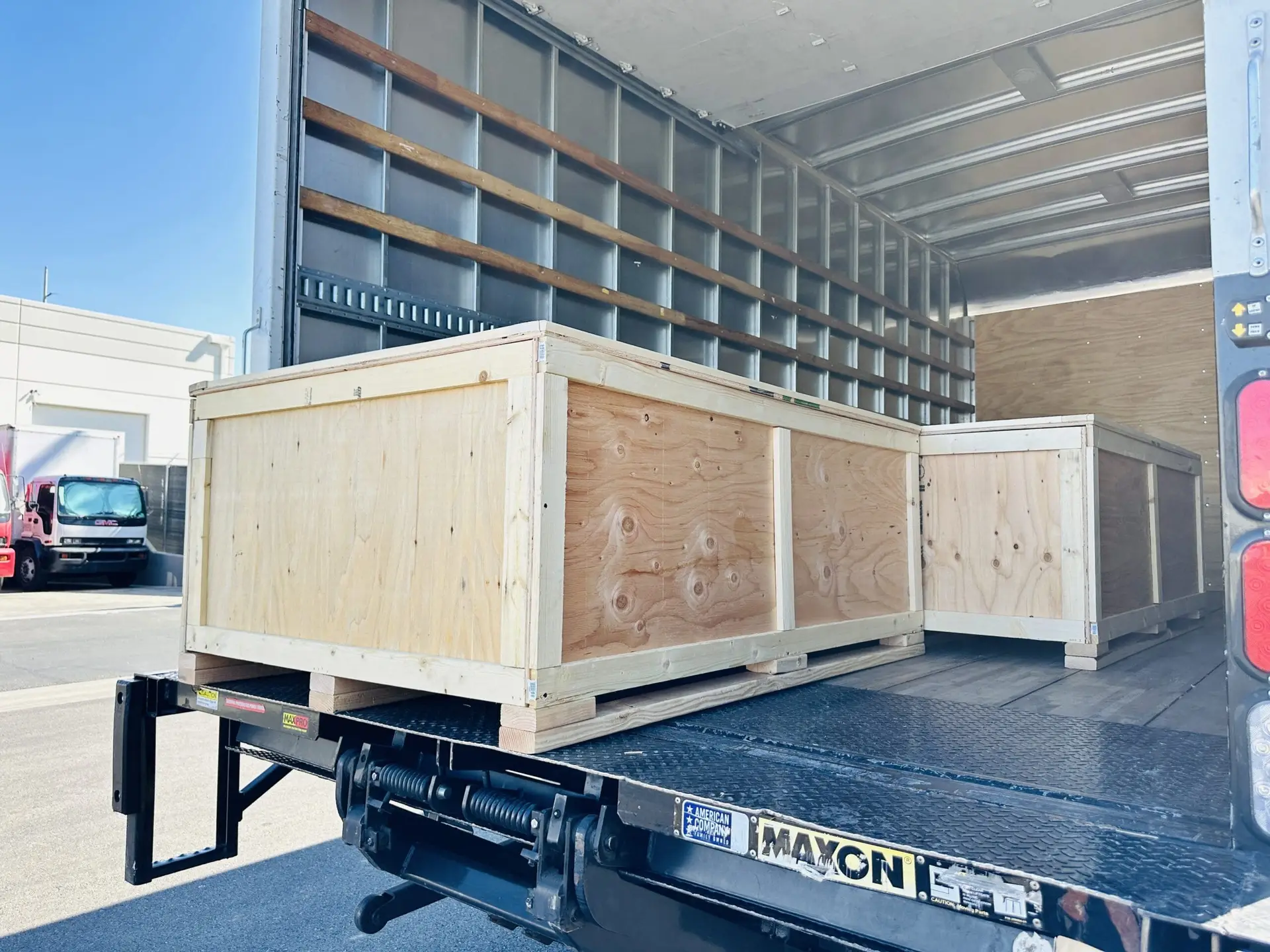
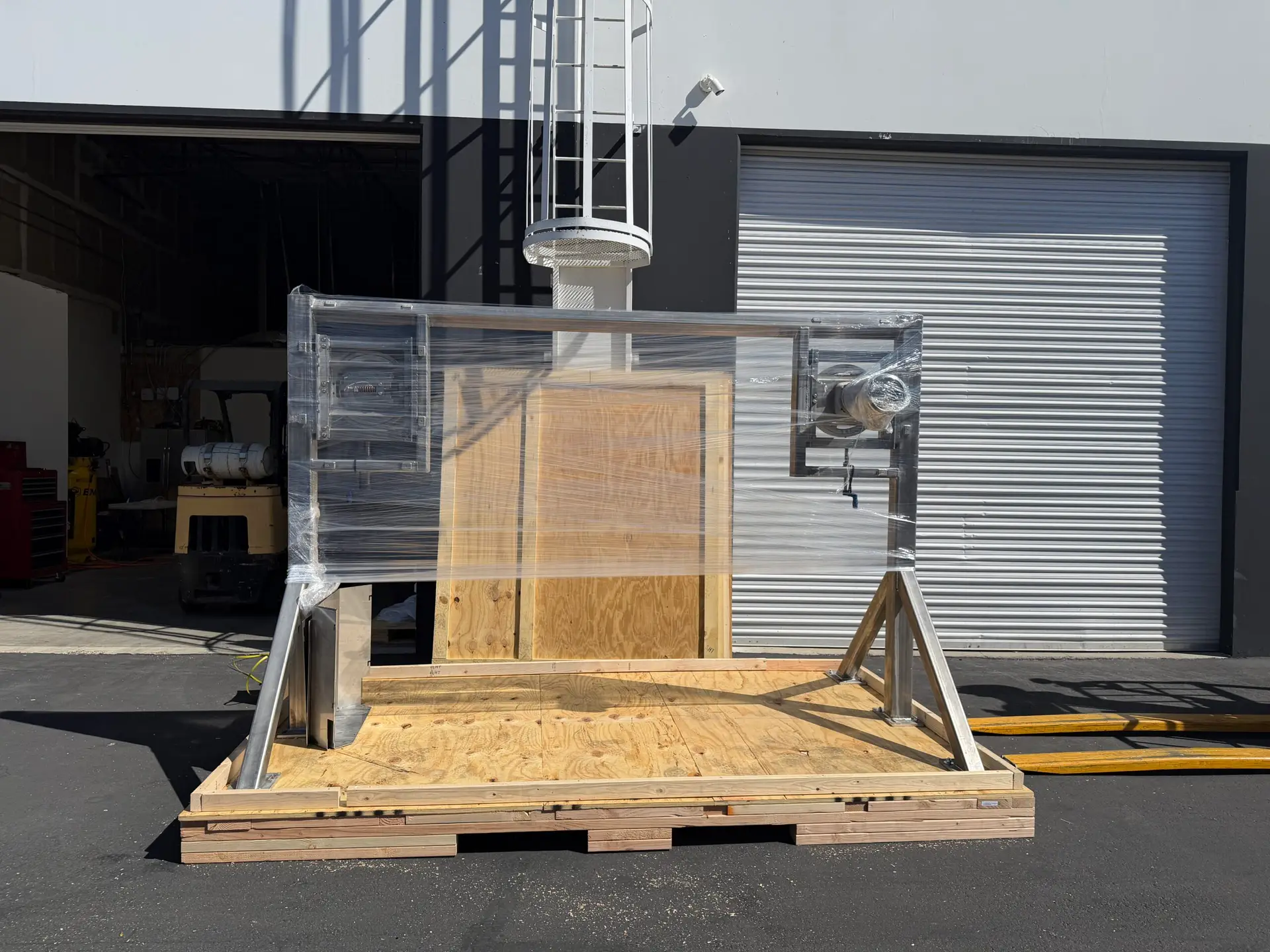
Custom crating begins by identifying those differences. For a Las Vegas shipment, provide photographs, dimensions, weight and the relevant technical or conservation instructions before selecting the interior protection.
Identify each item’s vulnerabilities
For electronics, record the model, removable parts, exposed connectors and permitted transport orientation. Ask the manufacturer which preparation steps and protective packaging are required.
For antiques, note fragile repairs, loose components and sensitive surfaces. A conservator or qualified object specialist may need to assess whether the item is suitable to move. A high value alone does not define the packing method, and an existing weakness should not be hidden beneath wrapping without a plan.
Build support around safe contact areas
The base and interior should restrain the item at appropriate points while protecting its vulnerable features. A glass heirloom, musical instrument and equipment cabinet each have different load-bearing areas.
Discuss how accessories or detachable pieces will be secured. Keep them inventoried and separated from surfaces they could damage. The crate should allow room for the specified protection; eliminating every gap can leave insufficient space for a useful support or cushioning system.
Choose materials for the actual risk
For sensitive electronics, ordinary foam or an “anti-static” description does not establish complete ESD protection. EOS/ESD Association guidance distinguishes packaging properties and the protection needed in different handling environments. Follow the device’s requirements when selecting the package.
For antiques, ask the responsible specialist to approve materials that contact the object. Labels such as “museum-quality” do not replace a material specification. Barriers and insulation may help manage exposure, but a wooden crate alone does not provide active climate control.
Plan reuse without improvising the interior
A reusable crate can be useful when the same item will travel again. Keep the supports, hardware and instructions together, and photograph the packing arrangement before closure.
Inspect the crate before each trip. Repairs, degraded cushioning or a different item can change the suitability of the design. Include recovery and storage costs in the reuse decision, and confirm local acceptance before assuming every packaging material can be recycled.
Make expertise and receiving checks explicit
Identify who prepares the item, approves its packing and inspects it after delivery. For electronics, that may include a technician who checks operation before use. For antiques, a condition record helps the recipient compare the object with its pre-shipment state.
For overseas routes, separately check wood-packaging treatment and marking and any requirements that apply to the contents. Neither careful packing nor ISPM 15 compliance guarantees a particular customs or damage outcome.
PLAN YOUR CRATING
Discuss a crate for your fragile item
Contact Crates of Las Vegas with the item details, photographs and relevant manufacturer or specialist instructions. Include the route and receiving arrangements so the team can discuss a crate suited to the actual risks.
Discuss Your Crating ProjectMORE CRATING GUIDES