Crates of Las Vegas Journal
How Custom Crates Help Protect Fragile and Valuable Items
Fragile cargo needs a packing plan that identifies what can be damaged and how. A glass sculpture, framed painting and electronic device can have different weak points even when their overall dimensions are similar.
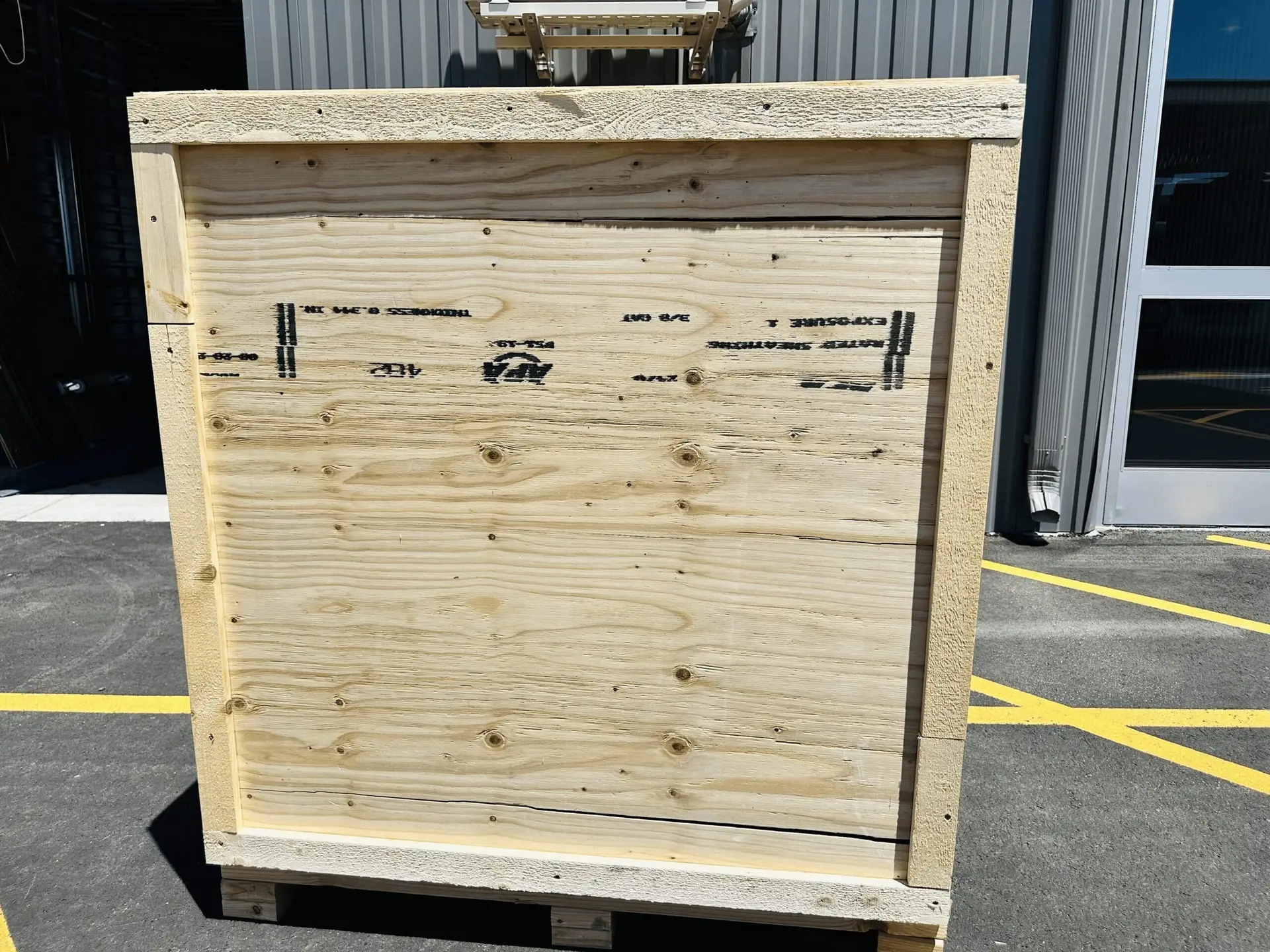
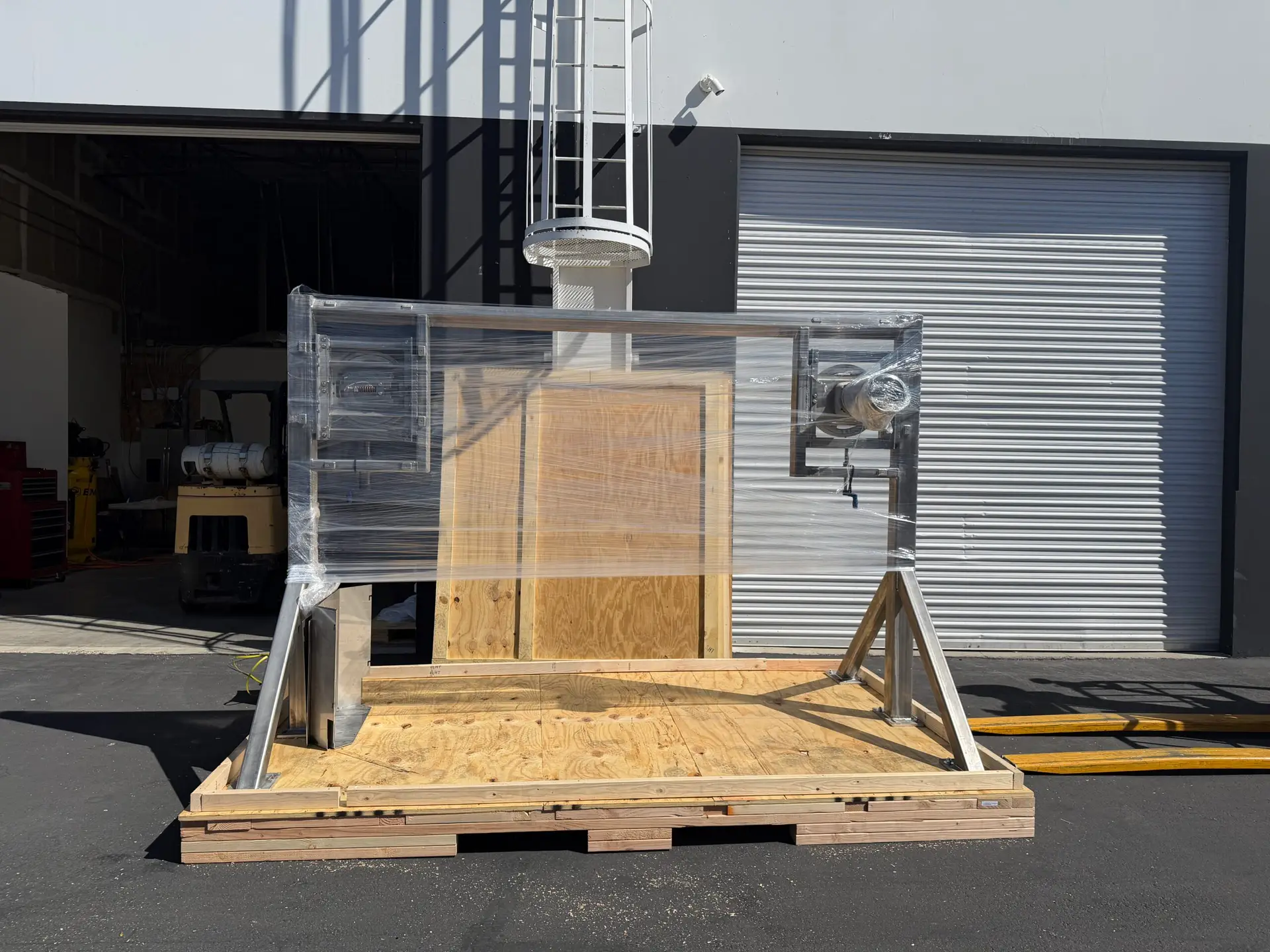
For a Las Vegas shipment, custom crating can provide an enclosure and support arrangement suited to those details. Start with the object’s condition and the route, then choose the protective materials with the relevant manufacturer or specialist guidance.
Fit the supports to the object
Measure the complete item, including its base, frame or attachments. Identify load-bearing areas and surfaces that must not be pressed against wrapping or supports. A crate should restrain the item without transferring loads through a vulnerable feature.
Provide photographs and a condition record before packing. For artwork or antiques with existing damage, ask a conservator or qualified specialist whether the piece is suitable to travel. A closer fit does not compensate for an unresolved condition problem.
Select cushioning for the intended load
Cushioning and restraint have related but different jobs. The item must remain in its intended position, while the protective system should address the expected handling stresses. More padding is not automatically a better solution.
Discuss the item’s weight, fragility and approved contact points with the packing provider. For electronics, follow manufacturer instructions and specify ESD protection where needed. Generic foam does not establish electrostatic-discharge protection or a tested vibration-isolation performance.
Define environmental needs clearly
Moisture barriers, wrapping and insulation may be appropriate for some shipments, but they need to match the object and the route. A wooden crate is not inherently waterproof, and heat treatment for export does not provide climate control.
The Canadian Conservation Institute’s transport guidance explains the limits of passive packaging protection. If the item requires controlled conditions, establish how transport, waiting periods and storage will meet those requirements. Avoid describing an ordinary lined crate as a controlled environment.
Prepare for international handling and inspection
Check destination requirements for regulated wood packaging and arrange any required ISPM 15 treatment and marking. Keep that question separate from documents or restrictions relating to the contents.
A crate cannot guarantee that an inspection will not require opening. Provide an understandable access method and instructions for removing and replacing restraints. The forwarder and recipient should know whom to contact if the package needs attention during the journey.
Document the handover
Record the packed arrangement and give the recipient an inventory. Identify fragile features and any tools or specialist help needed for opening. Clear labels can support careful handling, but do not replace a suitable design or carrier instructions.
- Photograph the item before packing.
- Record the interior supports and closure sequence.
- Send opening instructions before delivery.
- Arrange an inspection on receipt.
- Retain the packing record for any return shipment.
These records make the process more accountable without promising that damage is impossible.
PLAN YOUR CRATING
Discuss protection for your fragile shipment
Contact Crates of Las Vegas with the item details, photographs and manufacturer or specialist requirements. Include the full route and receiving arrangements so the team can discuss an appropriate custom crate.
Discuss Your Crating ProjectMORE CRATING GUIDES