

Crates of Las Vegas Journal
Art on the Move: Planning Custom Crates in Las Vegas
An artwork’s journey begins before collection. The sender, packing provider and recipient need a shared understanding of its condition, safe support points and handling requirements. That preparation is especially important when the work is unique or difficult to replace.
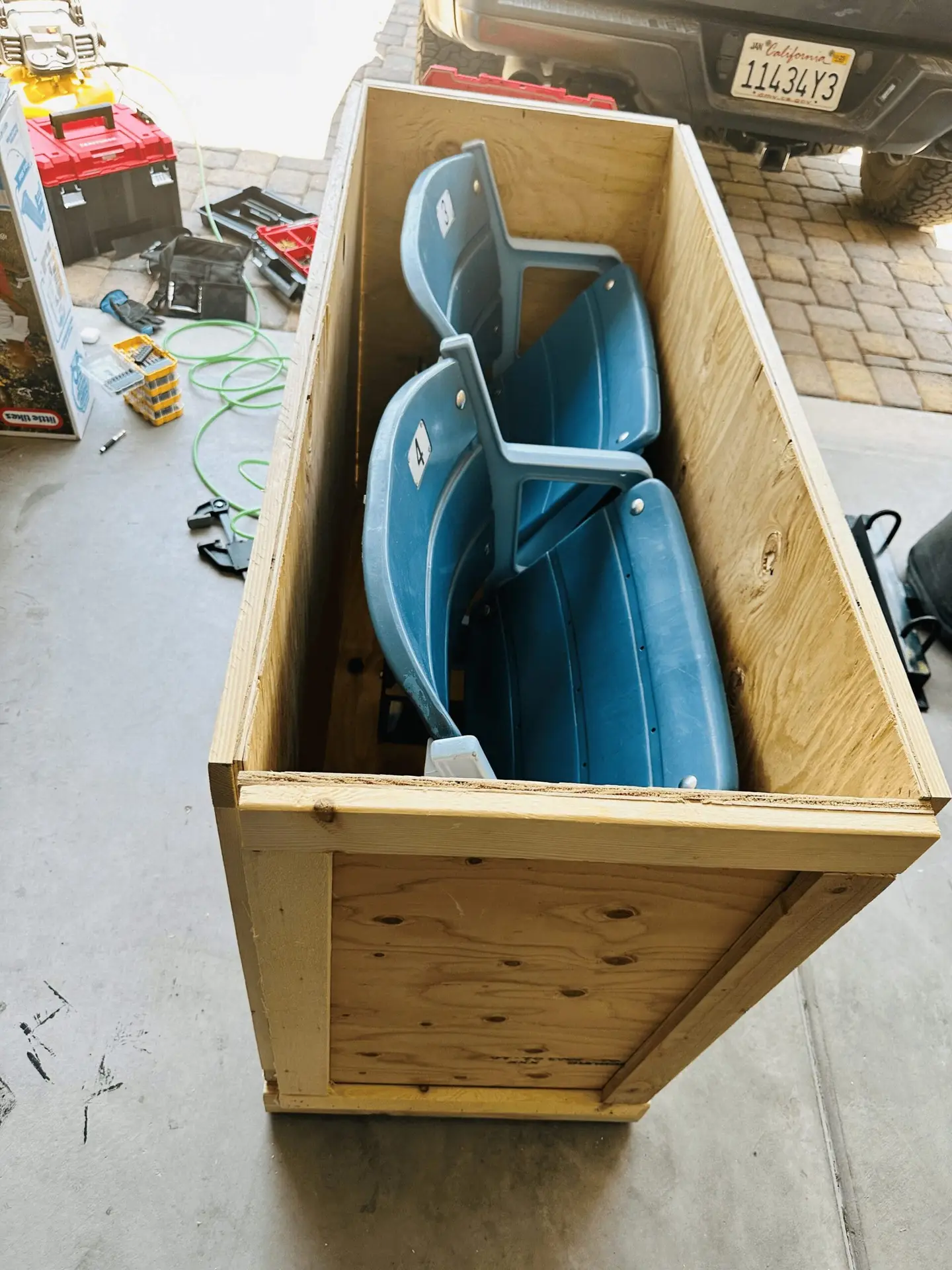
For moves between Las Vegas galleries, private collections and exhibition venues, a custom crate can form part of that plan. The details should follow the particular work rather than a general promise of “masterpiece protection.”
Assess the work before it moves
Record the artwork’s dimensions and weight, including any frame, plinth or transport base. Photograph existing condition concerns and identify delicate attachments. If travel could worsen an existing problem, seek a conservator’s assessment before arranging the packing.
Include the lender’s or artist’s instructions where applicable. A centuries-old painting, contemporary installation and carved sculpture can each need different preparation. The object’s materials and condition are more useful design inputs than its value alone.
Plan support for paintings and sculptures
A painting’s frame and a sculpture’s base may offer different safe contact areas. Make those areas explicit in the packing brief and identify surfaces that must remain untouched. Protective materials should be selected for compatibility with the work.
The Canadian Conservation Institute’s painting guidance describes the importance of appropriate restraint and cushioning. The outer crate, interior supports and packing method need to work together; adding a wooden box does not remove every physical risk.
For more detail on contact materials, cushioning, and opening arrangements, see our artwork crating practices for galleries and collectors.
Coordinate the route and receiving handover
List the planned stops and any storage periods. Identify who may open the crate, what tools are needed and who is authorized to handle the work. Provide a packing diagram or photographs so the receiving team can understand the arrangement before removing restraints.
Discuss environmental requirements with the responsible specialist. Wrapping, barriers or insulation may help manage exposure, but they should not be described as active climate control. A receiving plan should also allow for any unpacking or acclimatization instructions specified for the object.
Reuse fitted crates responsibly
A crate fitted to one artwork may be useful for its return journey or a later loan. Keep all supports and hardware with the crate and record the packing sequence. Inspect both the crate and the artwork before another move.
Reuse can reduce replacement materials when the crate remains appropriate. Ask about repair feasibility rather than assuming a recycling or restoration service is available. If the load changes, have the design reassessed instead of filling the space with improvised padding.
Connect local packing with wider logistics
A short gallery transfer still requires access, loading and recipient coordination. An overseas exhibition adds wood-packaging and documentation questions. Confirm the relevant ISPM 15 requirements with the crate provider and forwarder, alongside separate arrangements for the artwork itself.
Clear responsibilities are particularly useful when a curator, installer and carrier are all involved. Decide who records the condition at each handover and who should be contacted if the crate or object appears damaged.
PLAN YOUR CRATING
Discuss a crate for your artwork’s journey
Contact Crates of Las Vegas with photographs, dimensions, the route and any artist, lender or conservator requirements. Include the installation and return plans so the proposed packaging can support the complete move.
Discuss Your Crating ProjectMORE CRATING GUIDES




