Crates of Las Vegas Journal
Fine Art Packaging in Las Vegas: Specifying the Protection
“Museum-quality” can sound reassuring, but it does not tell a collector or lender exactly how an artwork will be packed. A useful specification describes the object’s condition, approved materials, supports and handling requirements.
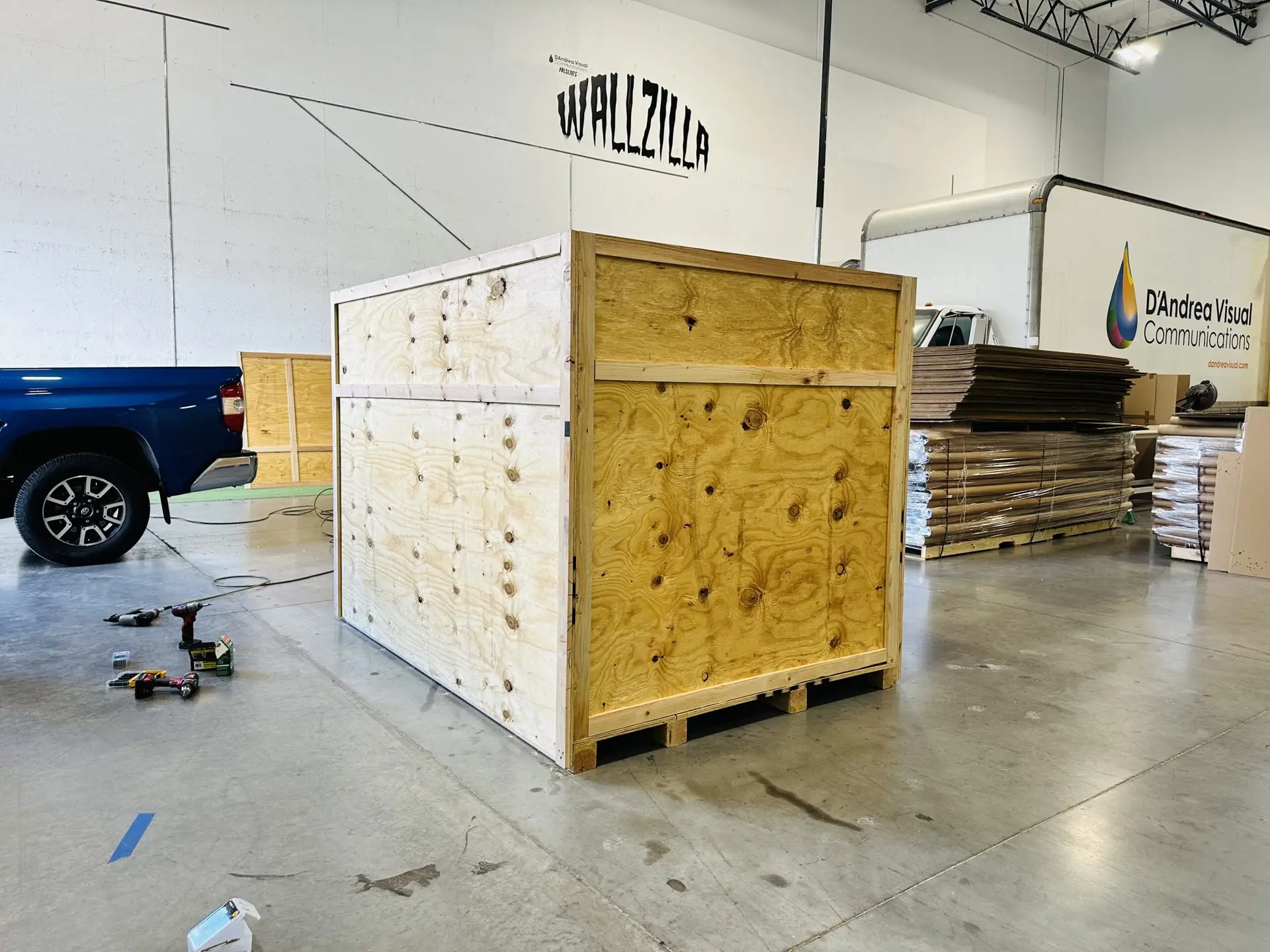
For paintings, sculptures and antiques moving through Las Vegas, begin with those details. The right crate is part of a wider protection plan that includes preparation, transport, storage and the receiving handover.
Specify the piece and its safe support points
Record dimensions, weight and fragile features, including frames, bases and projecting details. Provide a current condition record and any instructions from the artist, lender or conservator.
Ask how the artwork will be restrained and which surfaces will bear against the interior. A close-fitting crate is not necessarily a suitable crate if pressure is applied to a vulnerable area. Resolve the support method before selecting the remaining protective layers.
Describe the interior materials and environment
The packing brief should identify compatible contact materials and the purpose of any cushioning, barriers or insulation. Broad terms such as “archival” or “shock resistant” are insufficient without an explanation of the proposed arrangement.
The Canadian Conservation Institute’s transport bulletin distinguishes packaging’s environmental buffering from the active controls a journey may require. Insulation does not, by itself, maintain a chosen temperature or humidity indefinitely. Discuss the route and waiting periods with the responsible art specialist.
Separate export packaging from artwork documentation
If the work travels internationally, ask the forwarder about destination requirements for both the artwork and the packaging. Regulated wood components may need ISPM 15 treatment and marking.
That treatment addresses pest risks associated with the wood. It does not establish conservation quality, structural suitability or guaranteed customs clearance. Keep treatment and marking confirmation alongside the separate shipping documents and handling instructions.
Plan reusable crates around one packing method
For an exhibition loan or return journey, preserve the interior layout and opening sequence. Include a diagram and identify removable supports so the recipient can repack the work without improvising.
Inspect the crate and cushioning before reuse. A change of frame or transport base may alter the fit, and damage to panels or hardware may require repair. Reuse can reduce replacement materials when the crate is recovered and remains appropriate for the same purpose.
Define the roles of the specialists
A crate builder, conservator, art handler and carrier contribute different parts of the plan. Identify who approves the contact materials, who prepares the artwork and who records its condition at the handover.
- Obtain the lender’s or owner’s packing requirements.
- Confirm the artwork is suitable to travel.
- Review the crate and interior arrangement.
- Provide opening, handling and repacking instructions.
- Arrange the receiving inspection and any required specialist attendance.
These concrete steps are more useful than an unsupported claim of a universal museum standard or a guaranteed pristine arrival.
PLAN YOUR CRATING
Discuss the specification for your art crate
Contact Crates of Las Vegas with the artwork’s details, photographs, route and specialist instructions. Ask the team to confirm the proposed crating scope so the owner and relevant specialists can review the protection plan.
Discuss Your Crating ProjectMORE CRATING GUIDES