


Crates of Las Vegas Journal
Custom Crates for Shipping and Storage in Las Vegas
Shipping and storage place different demands on a crate. Transit involves lifting, loading and changes of location; storage adds questions about the building, access and how long the contents will remain packed. A useful custom crate plan considers both stages from the beginning.
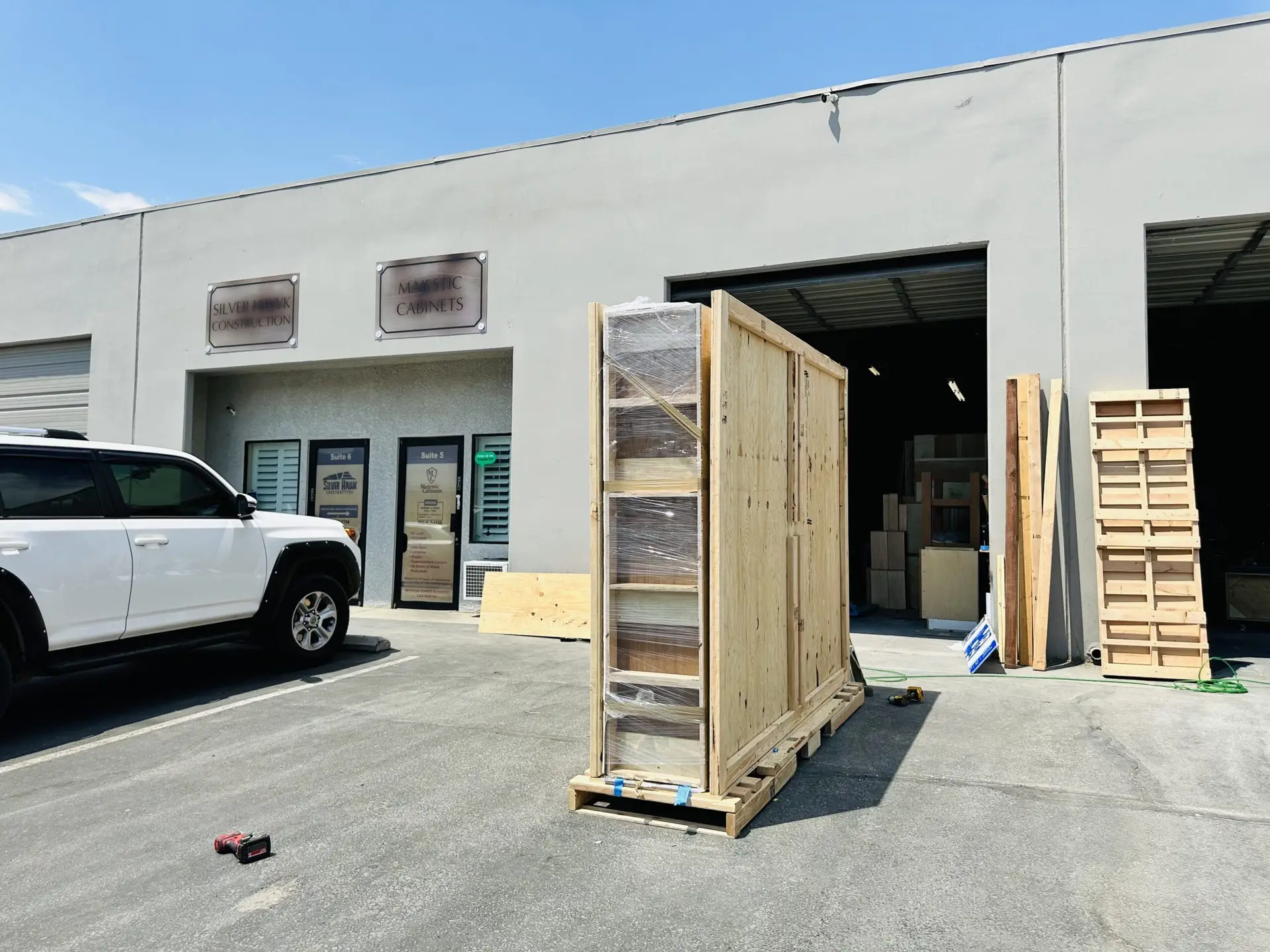
For Las Vegas businesses and collectors, that starts with the item’s dimensions, weight, condition and destination. Include how often the crate will be opened and whether it will return to service after a period in storage.
Define the route and storage conditions
Tell the crate provider whether the shipment travels directly to a recipient, waits in a warehouse or moves between several events. Identify doorways, loading areas and equipment available at both ends. Final external dimensions matter when the crate must fit through a restricted access route.
Ask the storage operator about environmental conditions and handling practices. A wooden crate can provide an enclosure and support system, but it should not be assumed to be waterproof, climate-controlled or suitable for indefinite outdoor storage.
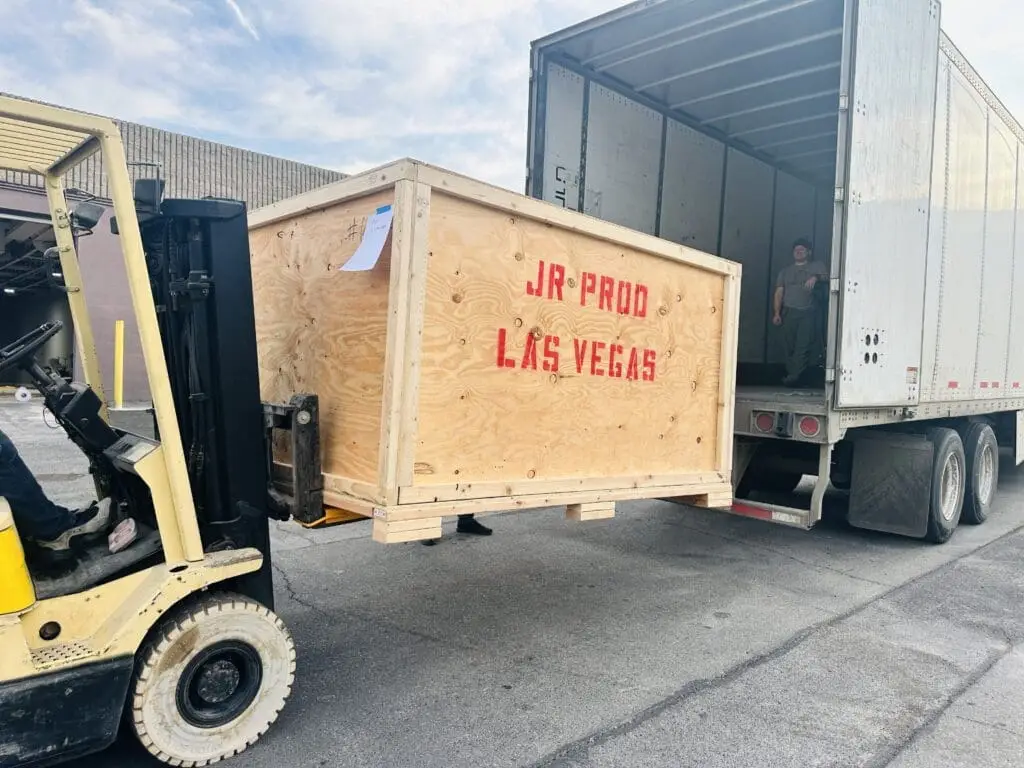
Artwork needs an object-specific plan
Paintings, sculptures and antiques require more information than their overall size. Identify fragile surfaces, loose components and safe points of support. A conservator or lender may specify how an object is wrapped and whether it is fit to travel.
For stored collections, plan access without repeatedly disturbing the object. Keep condition photographs, an inventory and opening instructions with the shipment records. Canadian Conservation Institute guidance emphasizes assessing paintings before travel and preparing them appropriately.
Organize electronics and office equipment
A crate for electronics should account for the equipment and its accessories. Label removable stands, cables and hardware, and give them secured locations away from vulnerable screens or connectors. Retain the manufacturer’s instructions for shipping orientation and preparation.
Discuss moisture and electrostatic-discharge precautions where relevant. General-purpose padding does not demonstrate that a package meets a device’s ESD requirements. Ask who will inspect and test the equipment after it leaves storage.
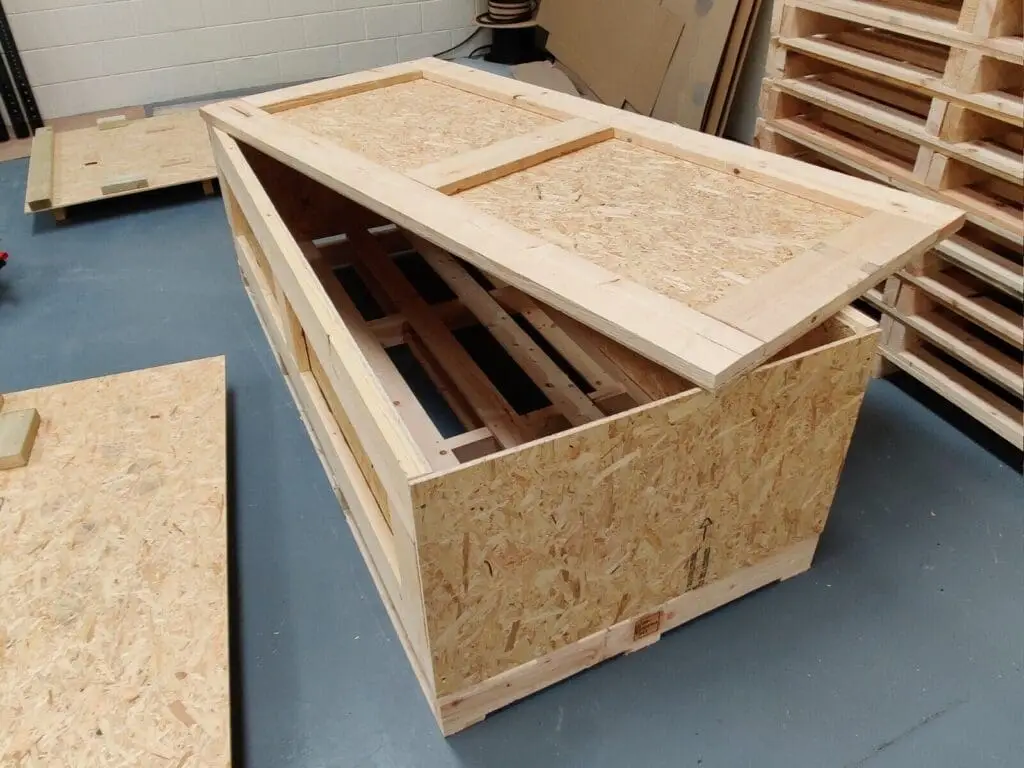
Coordinate medical-equipment preparation
Medical devices may require qualified technicians for shutdown, disassembly, transport locks or receiving checks. Establish those responsibilities before the crate is closed. Include manufacturer limits and any facility-specific handling requirements in the scope.
Storage and crating do not establish that a device remains calibrated, clean or suitable for clinical use. The equipment owner and receiving facility should define the checks required before it returns to service.
Design for access and repeat use
Reusable closures, identifiable interior parts and clear packing instructions can make repeated handling more consistent. The right arrangement depends on the item and the number of expected trips. Request stackability only when the design and loading conditions support it.
- Photograph the contents and packed arrangement before closing.
- Label the crate and maintain an inventory outside the package.
- Record the approved lifting, opening and repacking instructions.
- Inspect the crate and its interior before each new shipment.
- Reassess the design if the contents, route or handling conditions change.
For exports, separately confirm whether the wood packaging needs ISPM 15 treatment and marking. Reuse does not remove that responsibility.
PLAN YOUR CRATING
Plan your shipping and storage crate
Contact Crates of Las Vegas with the item details, route, anticipated storage period and opening frequency. Those details help establish which protection, access and reuse features should be included in the quote.
Discuss Your Crating ProjectMORE CRATING GUIDES




