

Crates of Las Vegas Journal
Planning ISPM 15-Compliant Crates for Exports from Las Vegas
Exporting from Las Vegas involves more than selecting a strong crate. If a shipment uses regulated wood packaging, the destination may require ISPM 15 treatment and marking. The contents can also have separate documentation, import and handling requirements.

Confirm the route and destination before ordering the crate. A clear export brief helps the crate provider and freight forwarder address their respective responsibilities without assuming that a treatment mark covers the entire shipment.
Understand the standard’s scope
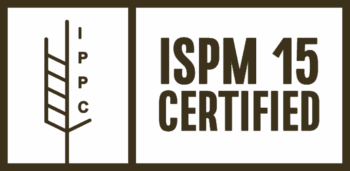
ISPM 15 is a phytosanitary standard intended to reduce the spread of pests through wood packaging. It covers regulated packaging such as solid-wood crates, pallets and dunnage. It does not provide a structural rating or certify the commodity inside.
The official ISPM 15 text includes exemptions for certain materials, including packaging made wholly from qualifying processed wood. A plywood-sided crate can still contain regulated solid-wood framing or skids. Check all components and the importing country’s requirements.
Build the export brief before construction
Las Vegas businesses may ship exhibition displays, artwork, medical equipment or industrial machinery. Each load has different preparation needs, even when the same wood-packaging rules apply.
- Destination country and any known transit countries
- Item dimensions, weight and permitted orientation
- Fragile surfaces, removable components and approved support points
- Mode of transport and expected handling arrangements
- Required arrival date, receiving access and return-shipping plans
Ask the provider to confirm whether the proposed wood packaging needs treatment and marking and how compliance will be established. Do not substitute an unsupported claim that every company service or crate is “internationally certified.”
Treat protection as a separate design task
A treated piece of lumber is not automatically a suitable structural member for every load. The base, restraints, enclosure and handling access still need to match the item and route.
For artwork, share lender or conservator instructions. For electronics and medical devices, obtain manufacturer preparation requirements. Ask how cushioning and environmental precautions will be selected. A packing design can reduce specific risks; it cannot promise that the item will survive every transport condition.
Reduce avoidable border problems
APHIS export guidance advises exporters to determine whether the destination requires compliant wood packaging. Confirm the required marks are present and suitable before collection, and have the forwarder review the wider shipping documents.
Noncompliant packaging can lead to delays or other destination action. Correct treatment and marking address that issue, but inspections, missing paperwork or commodity restrictions can still affect clearance. Allow time for questions rather than planning around a guaranteed customs outcome.
Reuse export packaging carefully
An existing crate may be useful for another shipment if its condition, dimensions and support system remain appropriate. Inspect it before repacking and keep the original packing instructions.
Repairs, replacement timber and changes to the crate may affect the treatment or marking requirements. Ask a qualified provider to assess those changes before export. Reuse is an operational plan, with inspection and return logistics, rather than a promise of automatic cost or environmental savings.
PLAN YOUR CRATING
Discuss a crate for your export
Contact Crates of Las Vegas with the destination, item specifications and shipping schedule. Request confirmation of the proposed crate, any required treatment and marking, and the tasks that remain with your forwarder or equipment specialist.
Discuss Your Crating ProjectMORE CRATING GUIDES




