Crates of Las Vegas Journal
Why ISPM 15 Matters for Custom Export Crates
Wood packaging can carry pests beyond their original range, which is why international shipments may be subject to phytosanitary requirements. ISPM 15 provides a treatment and marking framework for regulated wood packaging used in international trade.
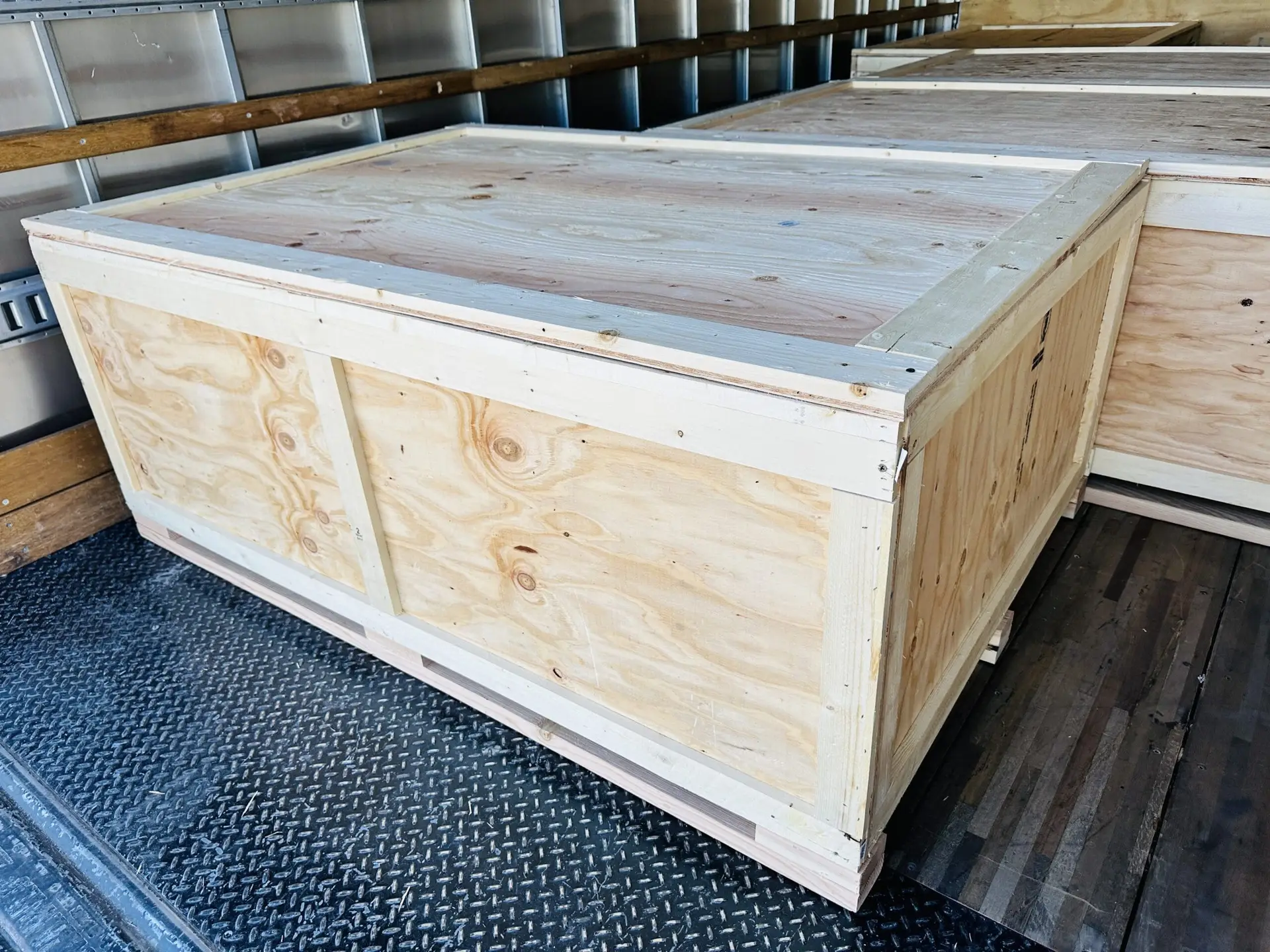
For a Las Vegas export, confirm the destination’s requirements before the crate is built. The crate’s physical design, the goods inside and the shipping documents also need attention; a wood-treatment mark does not settle those separate questions.
Understand treatment and marking
ISPM 15 covers regulated wood packaging such as solid-wood crates, pallets and dunnage. Covered material needs the appropriate approved treatment and mark where the destination requires compliance.
The official ISPM 15 text explains the standard’s scope and exemptions, including certain processed-wood packaging. A crate with plywood panels may still contain regulated solid-wood parts. Review the complete construction rather than assuming its outer appearance determines the requirement.
Avoid a preventable packaging problem at the border
APHIS export guidance advises U.S. exporters to check whether the destination requires ISPM 15-compliant packaging. Provide the route to the crate provider and forwarder early enough to confirm the required treatment and marking.
Noncompliant wood packaging can lead to delays or other action by the importing authority. Correct packaging addresses that particular issue; it does not guarantee inspection results, eliminate all delays or establish that the goods meet every import rule.
Keep the plant-health purpose clear
The standard is intended to reduce the risk of spreading pests through wood packaging. Avoid interpreting it as proof that a crate is environmentally sustainable in every respect, permanently pest-free or suitable for every shipment.
Responsible sourcing, reuse and recycling are separate matters. If a project requires evidence of those attributes, ask for the relevant documentation rather than treating a phytosanitary mark as an environmental label.
Combine compliance with a cargo-specific design
Artwork, electronics and heavy machinery need their own supports, restraints and protective materials. Supply dimensions, weight, approved contact points and manufacturer or specialist instructions.
Ask how the finished crate will be handled and opened. Treatment does not determine its load capacity, cushioning performance or weather resistance. The provider should confirm the proposed design and any limitations independently of the wood-packaging compliance check.
Assess repeat use and value
An export crate may be suitable for reuse if its condition and packing arrangement remain appropriate. Inspect it before each trip and retain the original instructions. Repairs or replacement wood can affect treatment and marking requirements, so seek qualified assessment before another export.
Include recovery, storage and maintenance in the cost comparison. A compliant crate can help avoid a specific packaging problem, but savings and a particular service life should not be guaranteed without evidence.
PLAN YOUR CRATING
Discuss your export crate specification
Contact Crates of Las Vegas with the destination, route, item specifications and shipping schedule. Ask the team to confirm the available crating scope and how any required treatment and marking will be addressed for your shipment.
Discuss Your Crating ProjectMORE CRATING GUIDES